


Current issue
Reviews
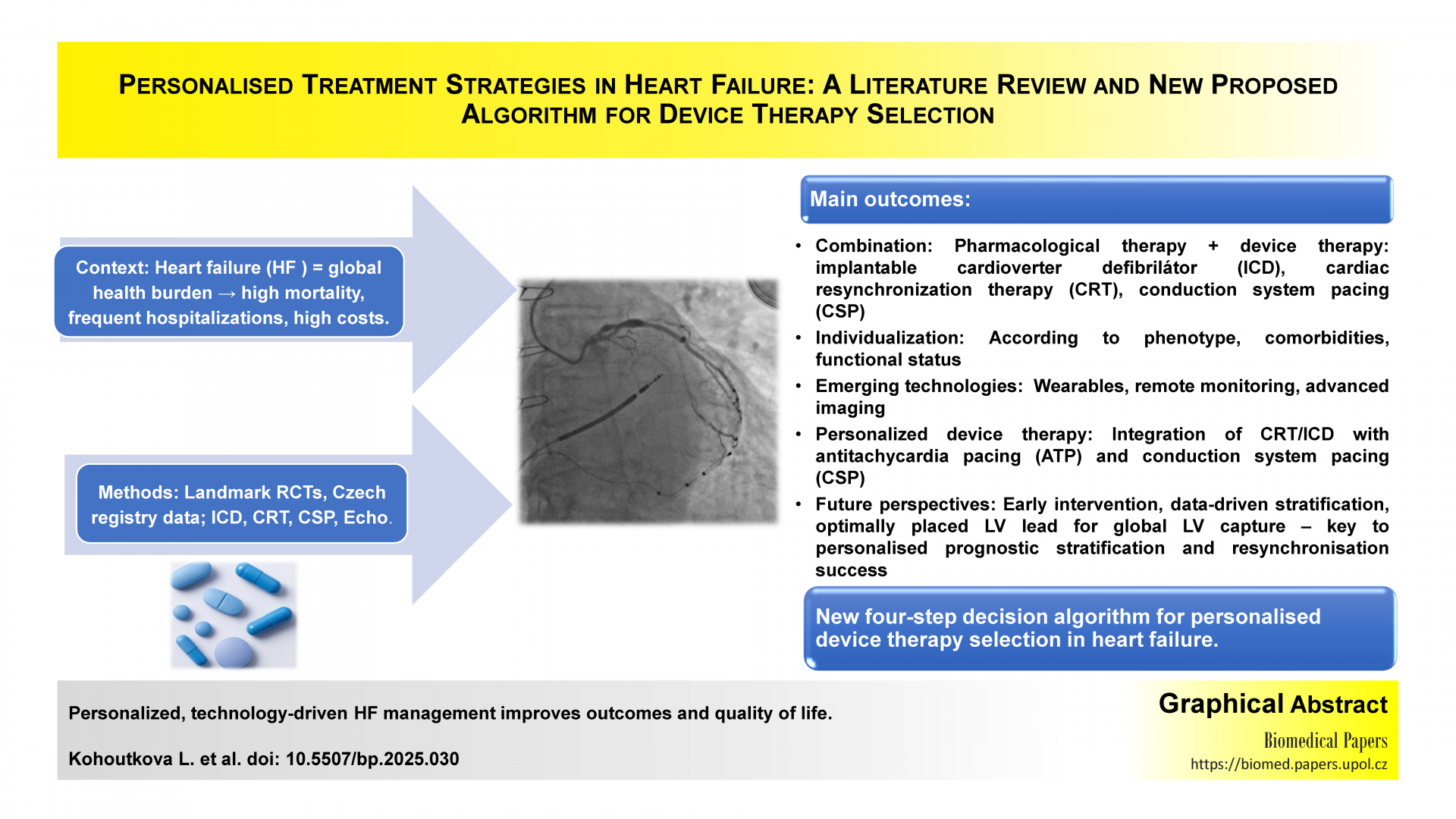
Personalised treatment strategies in heart failure: A literature review and new proposed algorithm for device therapy selection
Lucie Kohoutkova, Martin Augustynek, Henryk Szymeczek
Biomed Pap Med Fac Univ Palacky Olomouc Czech Repub. 2026, 170(2):71-79 | DOI: 10.5507/bp.2025.030 
This article provides a synthesis of key clinical trials on device-based therapy in heart failure within the context of the current trend toward personalized medicine. Its main contribution is the proposal of a novel decision-making algorithm that integrates risk stratification based on underlying etiology, electrophysiological and functional parameters, as well as prognostic indicators including current non-invasive methods. The review also reflects current developments in clinical practice, including the growing role of physiological pacing, and supports an individualized approach to improving patient prognosis and quality of life.
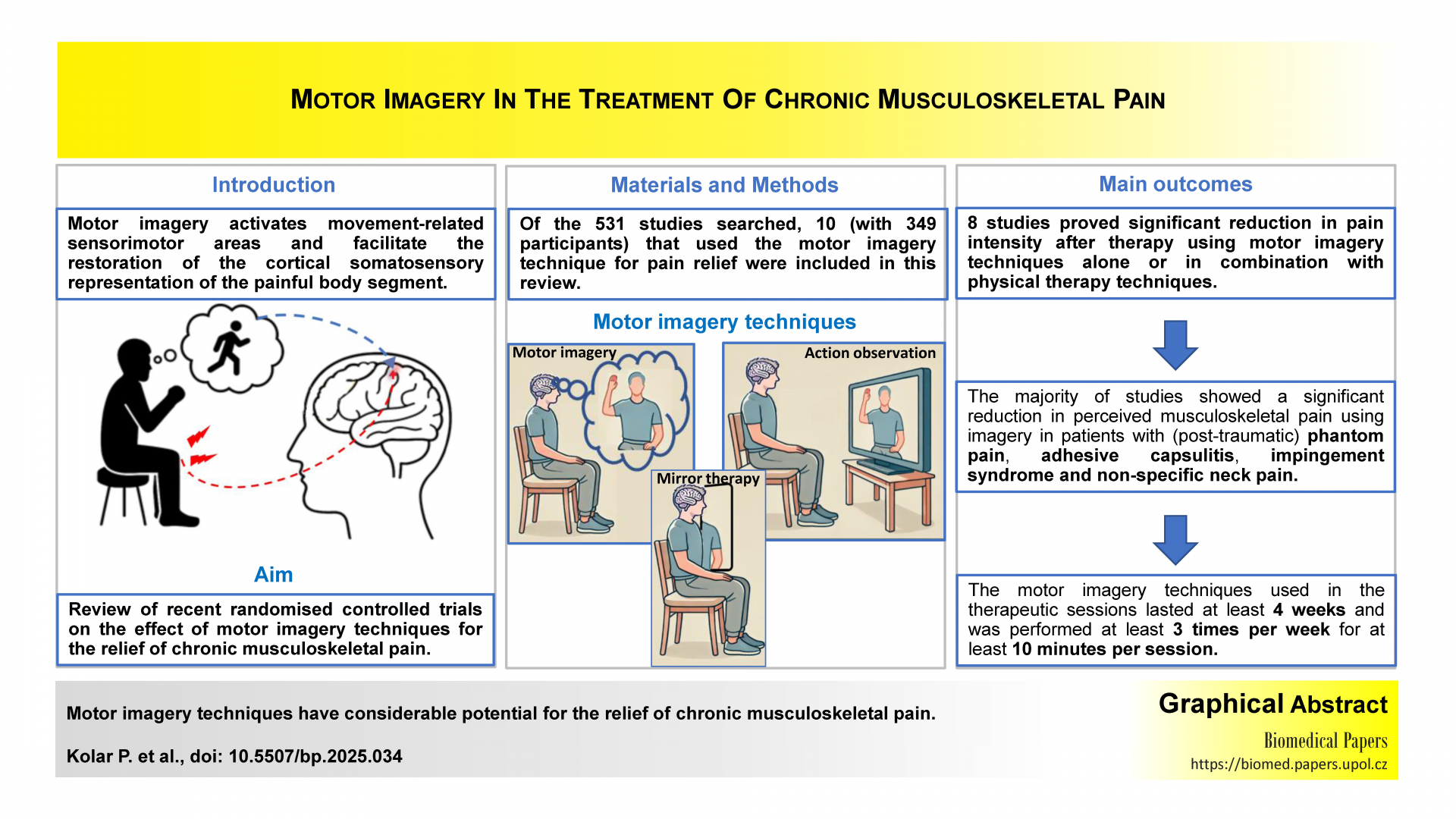
Effectiveness of motor imagery techniques in the treatment of chronic musculoskeletal pain: A scoping review
Petr Kolar, Marketa Kovarova, Barbora Kolarova, Miroslav Haltmar, Martin Jochec, Petr Hlustik
Biomed Pap Med Fac Univ Palacky Olomouc Czech Repub. 2026, 170(2):80-92 | DOI: 10.5507/bp.2025.034
Motor imagery techniques, such as motor imagery, mirror therapy, and graded motor imagery, have the capacity to activate brain regions that overlap with those involved in actual movement execution. In individuals with chronic pain, these areas may undergo structural and functional changes due to persistent nociceptive input. Engaging in motor imagery can stimulate brain activity and potentially contribute to the restoration of more typical neural patterns. This scoping review of randomized controlled trials demonstrates that patients with chronic musculoskeletal pain may benefit from these techniques. Compared to control groups, participants receiving MI-based interventions experienced reductions in pain both immediately after therapeutic sessions and during follow-up assessments conducted up to several months post-intervention.
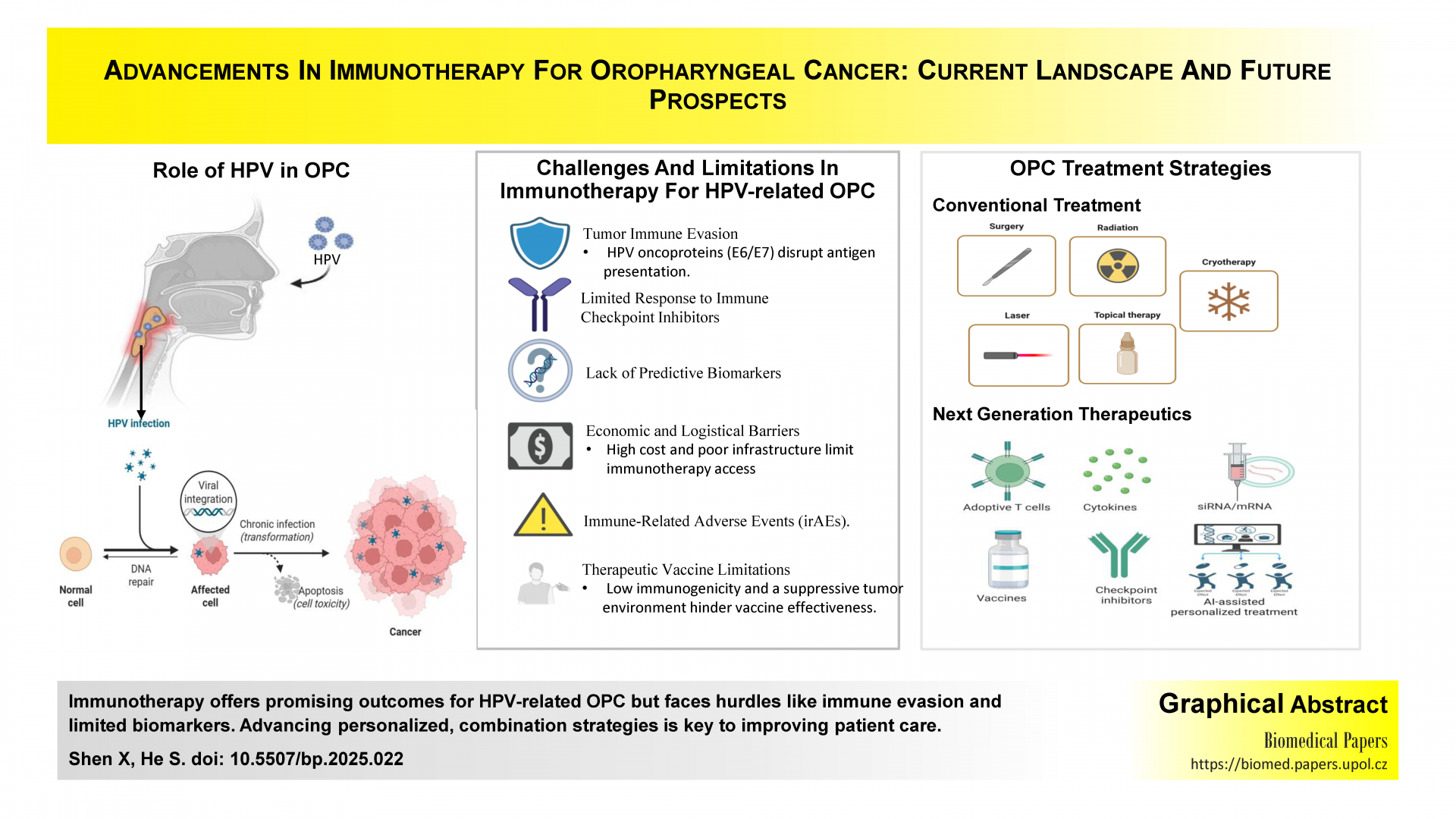
Advancements in immunotherapy for oropharyngeal cancer: Current landscape and future prospects
Xixi Shen, Shizhi He
Biomed Pap Med Fac Univ Palacky Olomouc Czech Repub. 2026, 170(2):93-109 | DOI: 10.5507/bp.2025.022
This review provides an updated overview of emerging immune-based therapies for oropharyngeal malignancies, particularly those associated with HPV infection. It summarizes current evidence on checkpoint blockade, engineered T-cell approaches, monoclonal antibodies, and therapeutic vaccination strategies, while discussing their clinical relevance and translational potential. The article further evaluates the influence of viral biology, tumor microenvironment, and predictive biomarkers on therapeutic response. Key limitations, including resistance and immune escape, are also highlighted, together with future opportunities for individualized and combination-based treatment strategies in head and neck oncology.
Original papers
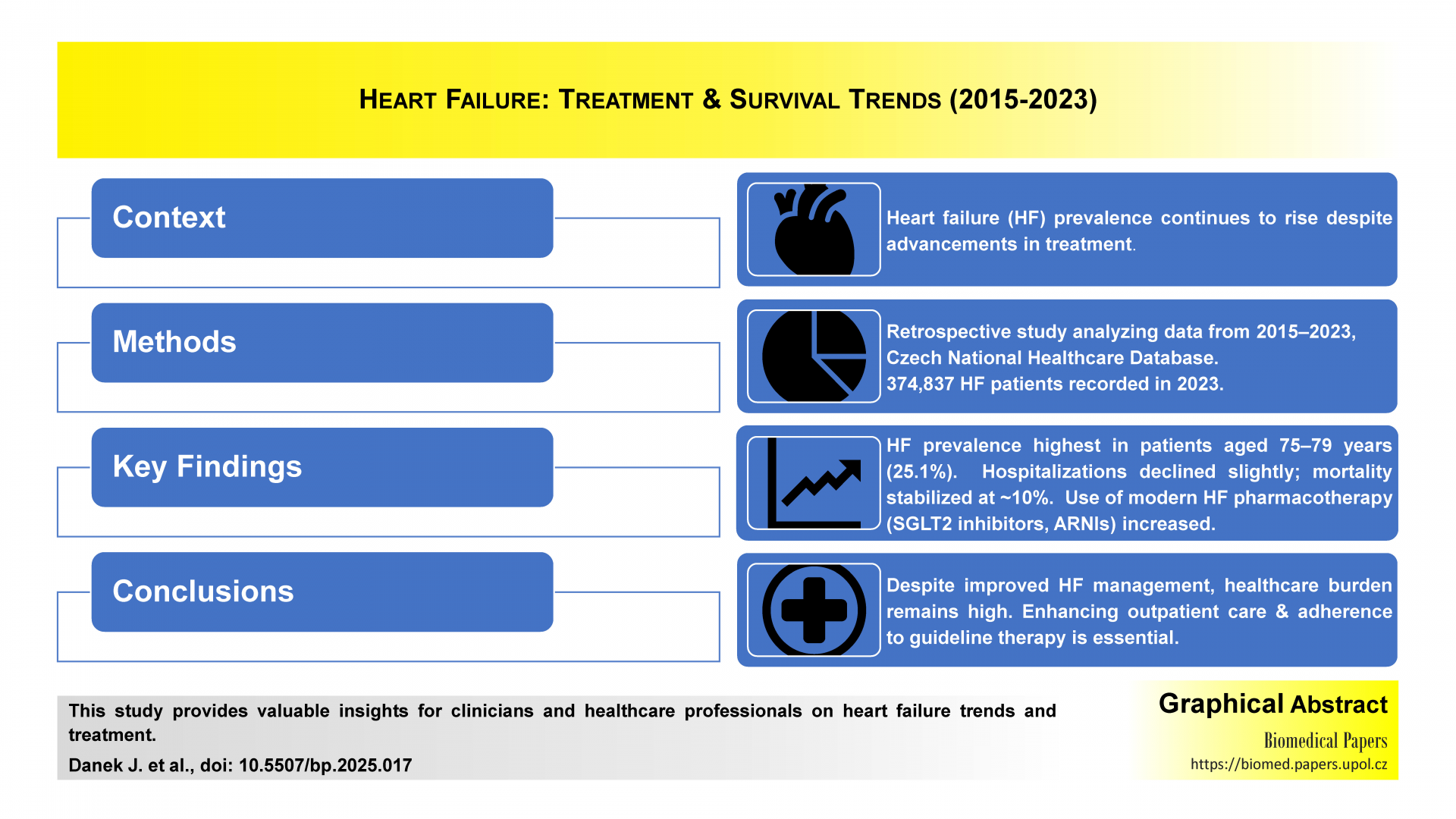
Treatment and survival of patients with heart failure: An updated analysis from the Czech National Healthcare Database
Josef Danek, Jiri Jarkovsky, Klara Benesova, Milos Taborsky
Biomed Pap Med Fac Univ Palacky Olomouc Czech Repub. 2026, 170(2):110-117 | DOI: 10.5507/bp.2025.017
Heart failure (HF) remains a growing public health concern. This study provides an updated analysis of HF incidence, prevalence, hospitalizations, and mortality trends in the Czech Republic (2015-2023). Using data from the National Healthcare Reimbursement Database (NRHZS), the authors evaluated key epidemiological patterns. Findings show a rising prevalence, stable incidence, and a slight decline in hospitalizations, while in-hospital mortality remains around 10%. Increased use of novel HF therapies, including ARNIs and SGLT2 inhibitors, was observed. These insights highlight the need for improved guideline adherence and multidisciplinary care models.
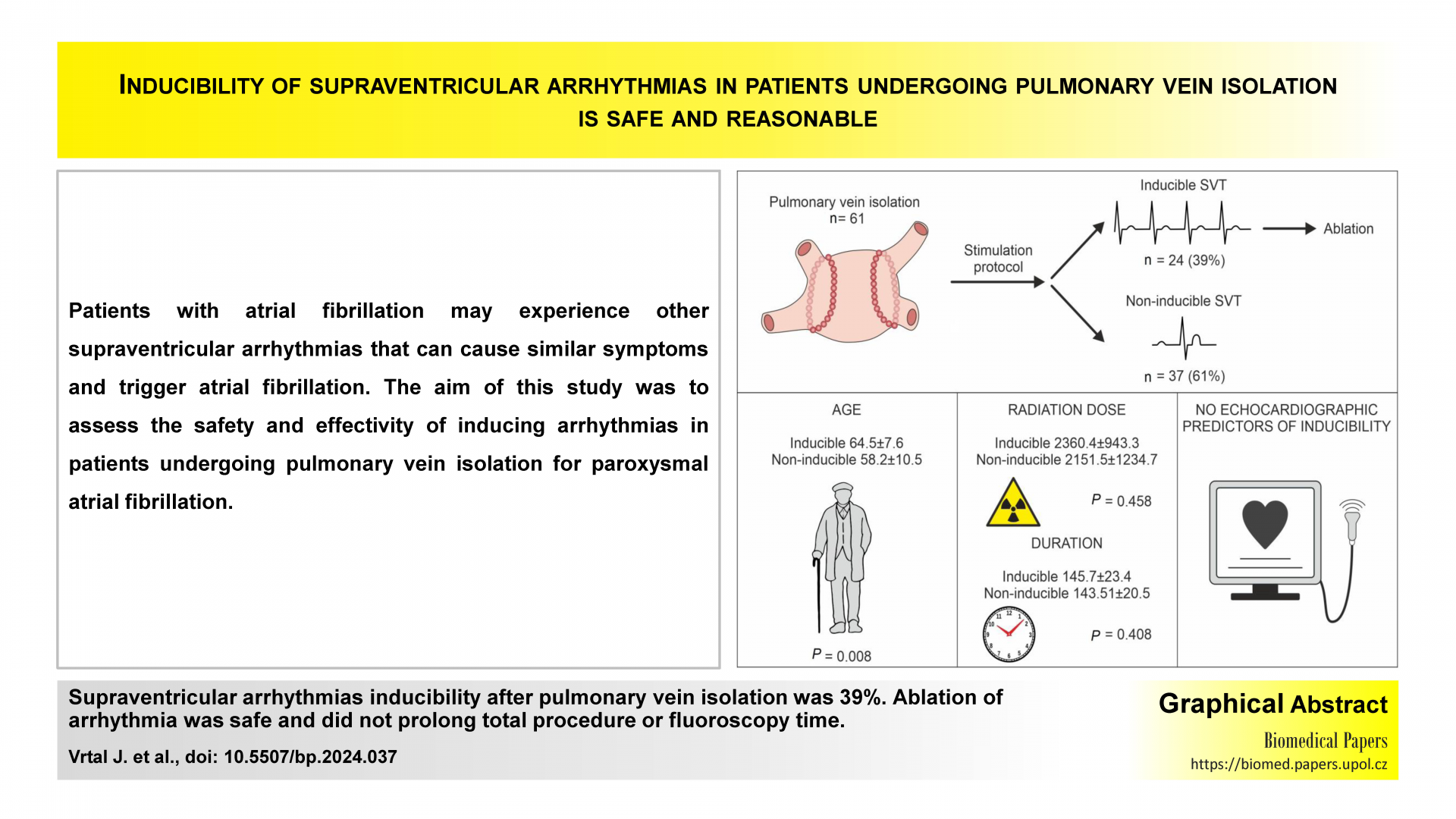
Induction of supraventricular tachycardias in patients undergoing pulmonary vein isolation for paroxysmal atrial fibrillation is safe and reasonable
Jiri Vrtal, Jiri Plasek, David Sipula, Jan Vaclavik, Jozef Dodulik, Tomas Skala, Vlastimil Cernicek
Biomed Pap Med Fac Univ Palacky Olomouc Czech Repub. 2026, 170(2):118-122 | DOI: 10.5507/bp.2024.037
Patients with atrial fibrillation (AF) may experience other supraventricular tachycardias (SVT) that can trigger AF and cause similar symptoms. This study aimed to analyse the safety and efficacy of inducing SVT in patients undergoing catheter ablation (CA) for AF. The authors enrolled 61 patients with paroxysmal AF who underwent CA between January 2022 and March 2023. This electrophysiological study was performed after pulmonary vein isolation (PVI) to induce SVT. Induced arrhythmias were mapped and ablated. All patients were followed at 3, 6 and 12 months after the procedure and seven-day ECG Holter monitoring was carried out after 6 and 12 months from the procedure. SVT inducibility after successful pulmonary vein isolation was 39%. Age differed significantly in patients with arrhythmia inducibility compared to those without (64.5± 7.6 and 58.2±10.5, P=0.04). There were no significant differences in procedure time (P=0.408) or fluoroscopy dose (P=0.458) between patients with inducible arrhythmia and those without. None of the echocardiographic parameters showed any significant differences between groups. The conclusion of the study is that ablation of induced non-clinical arrhythmia is safe and does not prolong the total procedure or fluoroscopy time.
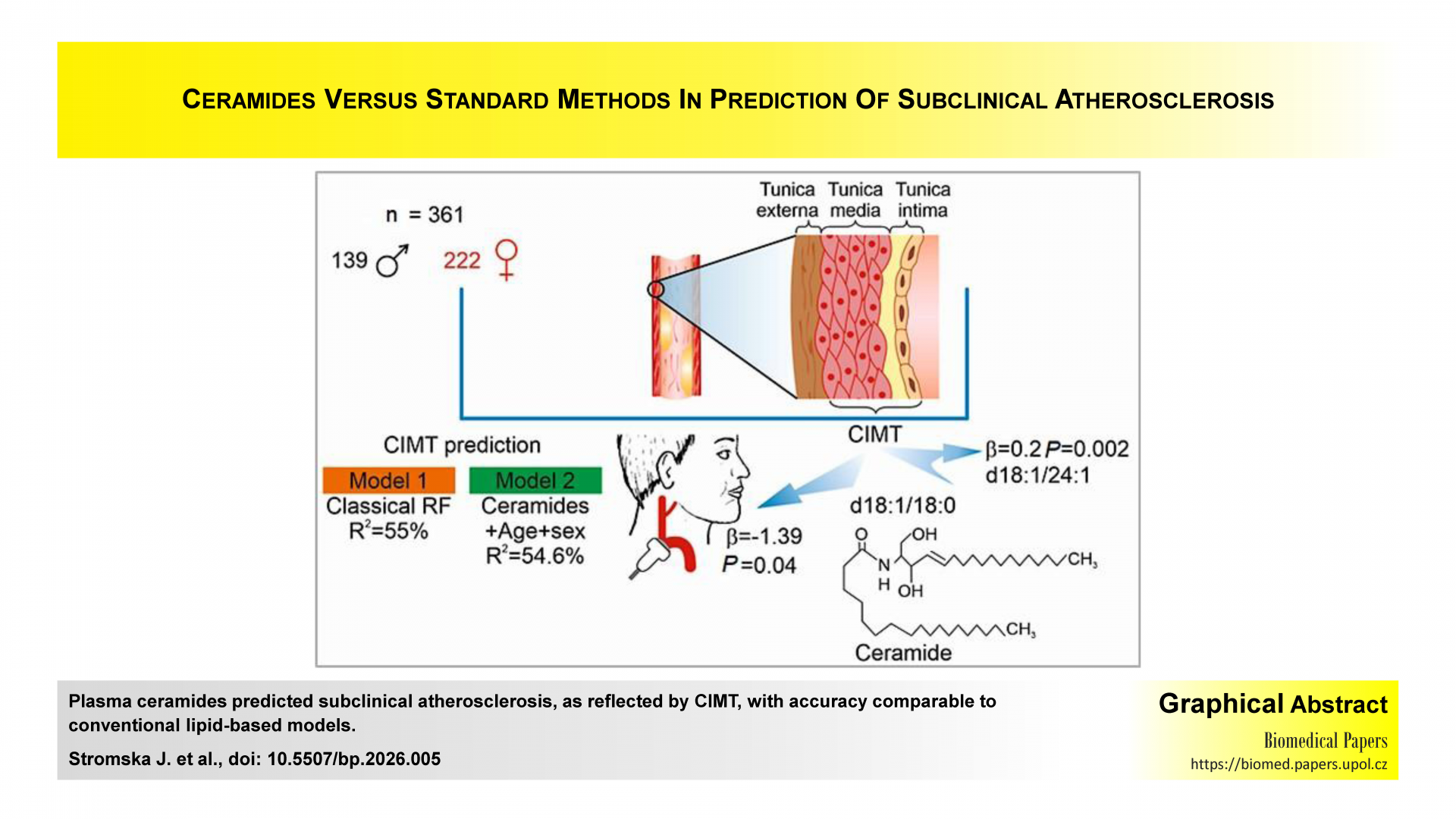
Ceramides versus standard methods in prediction of subclinical atherosclerosis
Janula Stromska, Geraldo Neto, Irma Magaly Rivas-Serna, Juan Pablo Gonzalez-Rivas, Manlio Vinciguerra, Roman Panovsky, Radim Brat, Jiri Plasek
Biomed Pap Med Fac Univ Palacky Olomouc Czech Repub. 2026, 170(2):123-130 | DOI: 10.5507/bp.2026.005
Ceramides are a heterogeneous group of bioactive membrane sphingolipids. Evidence suggests that specific ceramide species are potential biomarkers and mediators of cardiovascular disease. The aim of the study was to develop two prediction models for carotid intima-media thickness (CIMT) using readily available variables. One model included conventional biomarkers (total cholesterol, triglycerides, hypolipidemics) in addition to gender and age, while the other included blood concentrations of selected ceramides. Cer(d18:1/18:0) was inversely related to CIMT, while Cer(d18:1/24:1) was positively correlated. Given that the study is cross-sectional, the findings should be interpreted as associations and do not support any causal inference.
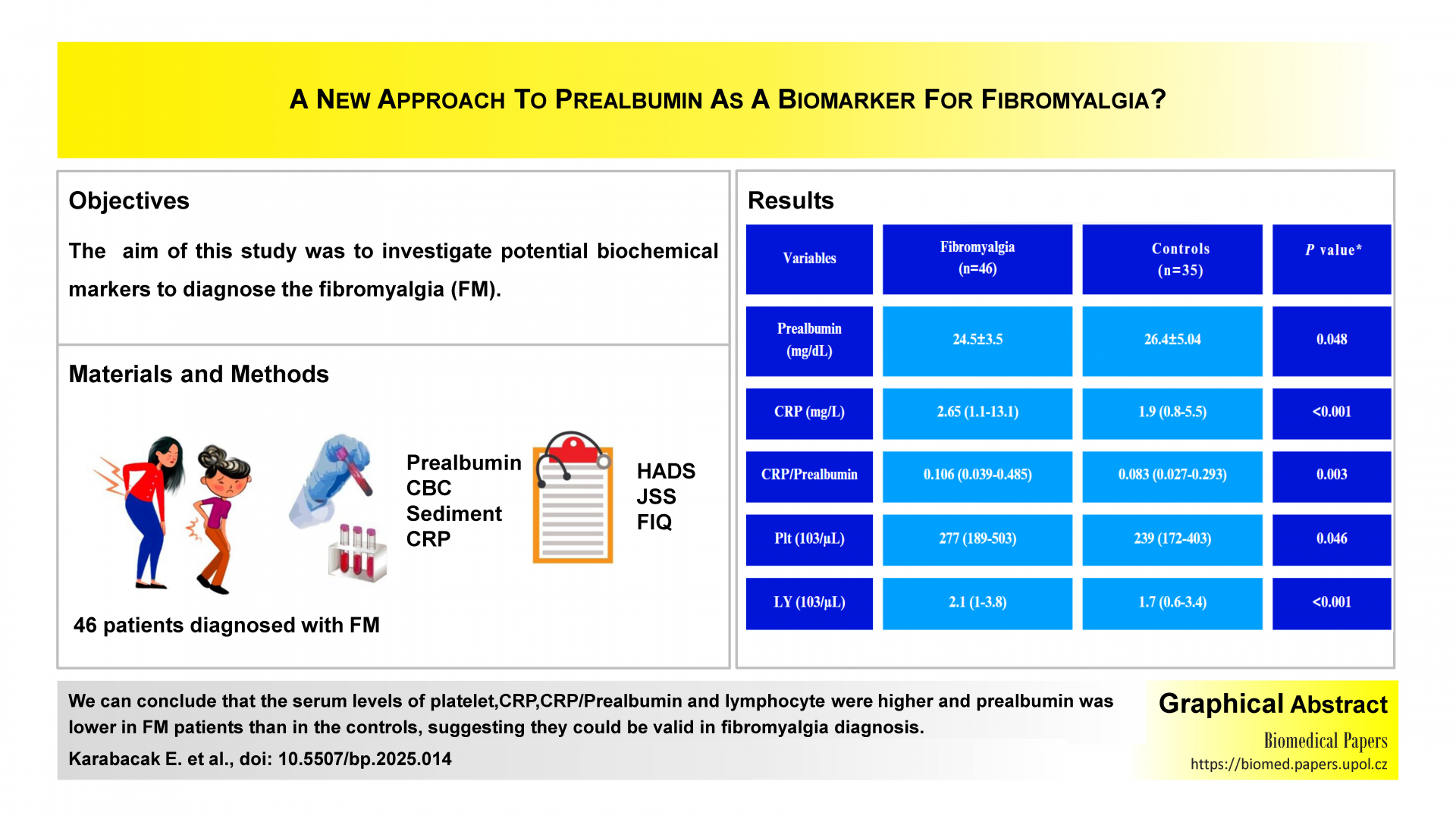
A new approach to prealbumin as a biomarker for fibromyalgia?
Elif Karabacak, Muhtesem E. Yayla, Gulsah Y. Ozturk, Bahadir Ozelbaykal
Biomed Pap Med Fac Univ Palacky Olomouc Czech Repub. 2026, 170(2):131-136 | DOI: 10.5507/bp.2025.014
There are currently no laboratory markers available to diagnose Fibromyalgia (FM). The aim in this study was to investigate biochemical markers that would support the pathogenesis and diagnosis of FM. To the best of the knowledge of the authors, this is the first study to evaluate CRP/prealbumin and prealbumin values in patients with Fibromyalgia. The results suggest that the CRP, CRP/prealbumin, lymphocyte and platelet levels increase in the disease and the prealbumin level decreases, which may indicate the role of inflammation in the pathogenesis. It was concluded that the inflammatory markers identified in this study may be useful in facilitating early diagnosis and treatment of patients with FM. The study was presented to contribute to the literature on FM.
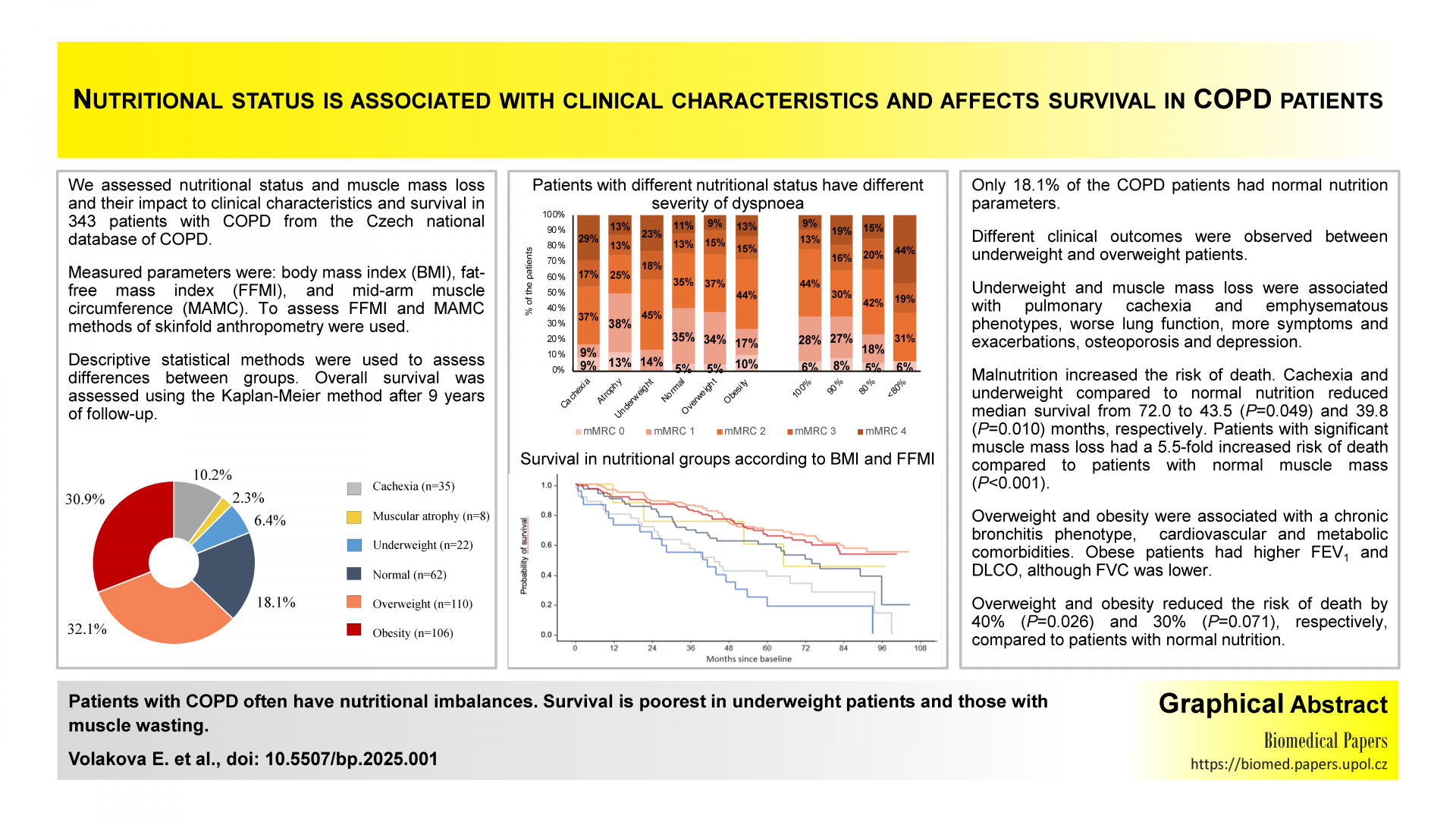
Nutritional status and muscle mass loss in patients with COPD, association with lung function, symptoms, comorbidities and long-term survival: data from the National Database Study
Eva Volakova, Vladimir Koblizek, Michal Svoboda, Karel Hejduk, Marek Plutinsky, Kristian Brat, Martina Kulirova, Jaromir Zatloukal
Biomed Pap Med Fac Univ Palacky Olomouc Czech Repub. 2026, 170(2):137-152 | DOI: 10.5507/bp.2025.001
Similar to other chronic diseases, nutritional status appears to be an important determinant in patients with COPD. In this study, a comprehensive assessment was made of nutritional status and its association with other clinical characteristics and survival in 343 patients from the National Database of COPD. Nutritional imbalances were common in patients with COPD. Less than one fifth of the patients in the cohort had normal nutritional parameters. Overweight and obesity predominated, while underweight and muscle wasting were associated with the highest mortality. Different nutritional categories were associated with different comorbidities. The causes of these differences remain unclear. Some studies suggest a possible influence of pro-inflammatory cytokines, which may differ in relation to nutritional categories. More research is needed to clarify this.
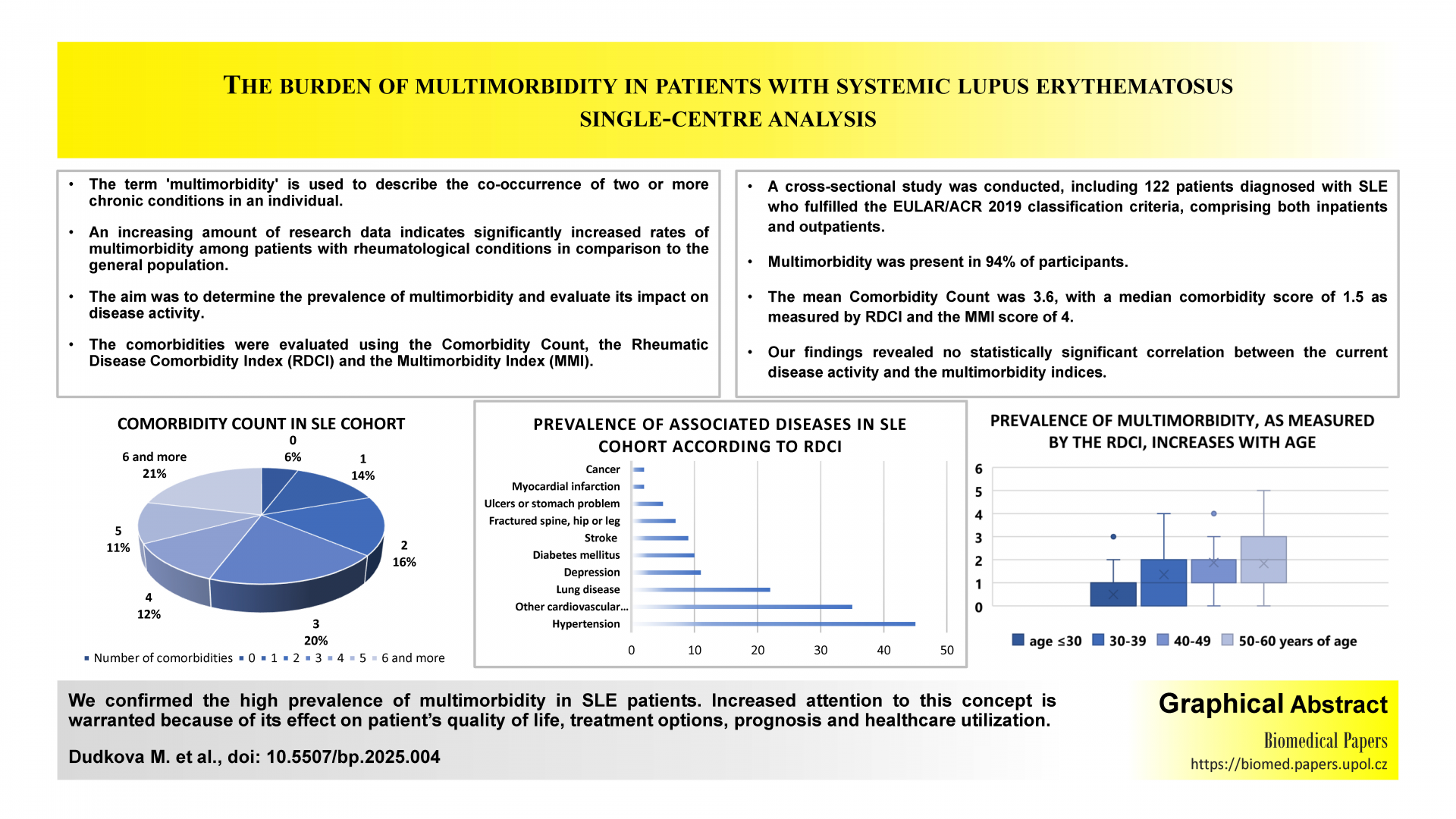
The burden of multimorbidity in patients with systemic lupus erythematosus - single-centre analysis
Marketa Dudkova, Martina Skacelova, Pavel Horak, Jakub Videman, Adela Skoumalova
Biomed Pap Med Fac Univ Palacky Olomouc Czech Repub. 2026, 170(2):153-162 | DOI: 10.5507/bp.2025.004
The prevalence of multimorbidity, defined as the presence of at least two chronic diseases, is increasing in both the general population and among patients with rheumatic conditions. This study provides insight into the prevalence of multimorbidity in one of the most frequent systemic autoimmune disorders, systemic lupus erythematosus (SLE). This chronic inflammatory autoimmune disease is characterised by the involvement of multiple organs due to both the disorder itself and the frequent comorbidities that are associated with the underlying disease process. These factors have the potential to affect the quality of life, treatment options, healthcare utilisation and overall patient prognosis.
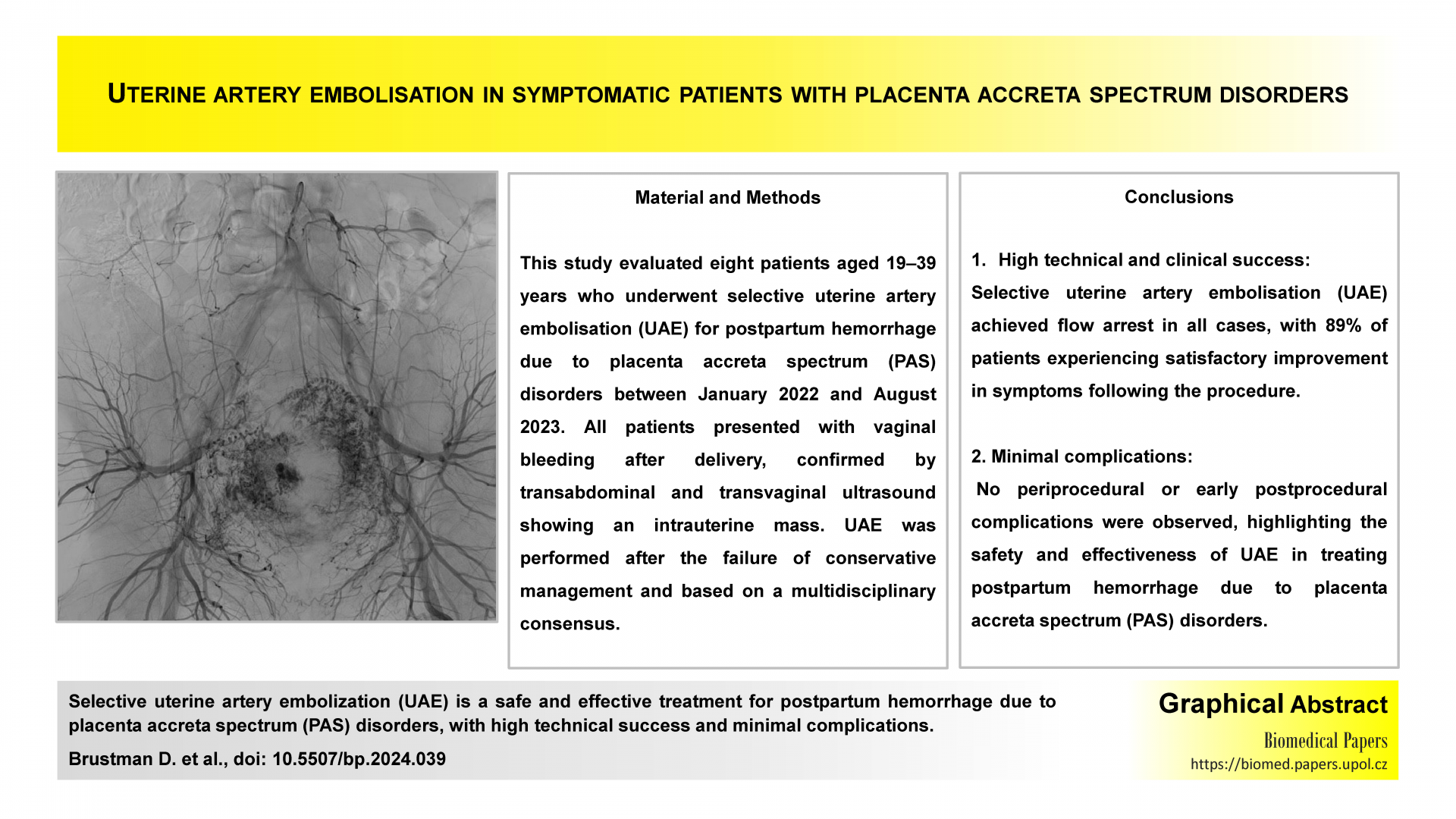
Uterine artery embolisation in symptomatic patients with placenta accreta spectrum disorders
David Brustman, Jan Raupach, Vendelin Chovanec, Pavel Ryska
Biomed Pap Med Fac Univ Palacky Olomouc Czech Repub. 2026, 170(2):163-167 | DOI: 10.5507/bp.2024.039
This study explores the use of uterine artery embolization (UAE) in patients with postpartum hemorrhage caused by placenta accreta spectrum (PAS) disorders. The procedure was performed after conservative treatments failed, aiming to control bleeding and reduce the need for more invasive surgeries. UAE successfully improved symptoms in the majority of patients, with no major complications during or after the procedure. Follow-up showed no recurrence of bleeding. The results suggest that UAE is a safe and effective treatment option for managing PAS-related hemorrhage, offering a less invasive alternative to surgical interventions.