


Biomedical papers - Latest articles
Results 1 to 30 of 119:
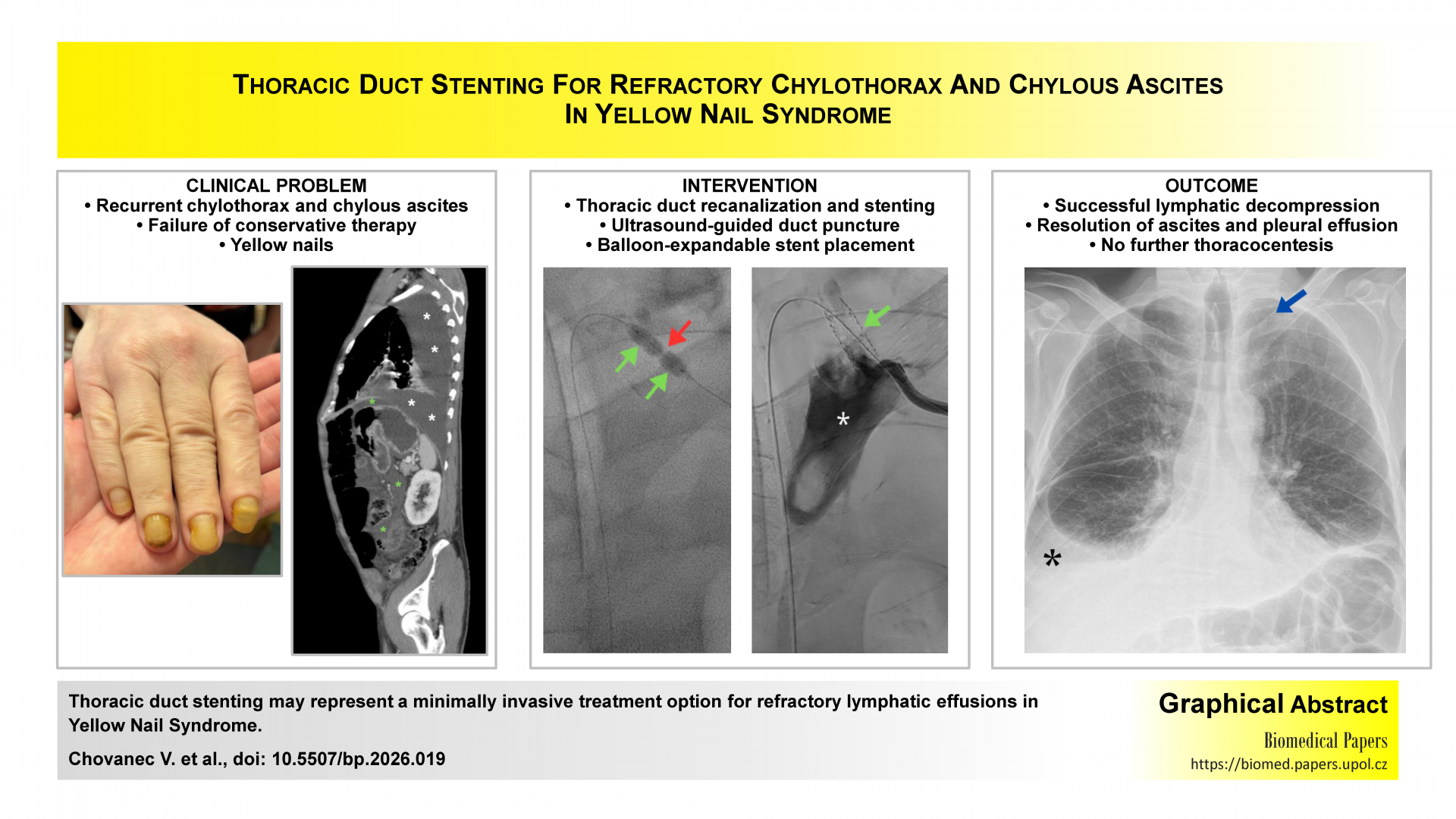
Thoracic duct stenting as a treatment for chylothorax and chylous ascites in patient with Yellow Nail SyndromeCase report
Vendelin Chovanec, Pavol Viglas, Jan Raupach, Filip Cihlar, Ivo Hanke, Pavel Ryska
Biomed Pap Med Fac Univ Palacky Olomouc Czech Repub. 2026, 170(3):265-273 | DOI: 10.5507/bp.2026.019 
Yellow Nail Syndrome is a rare lymphatic disorder for which no curative treatment exists. When conservative management fails, patients with recurrent chylothorax and chylous ascites have few options beyond repeated drainage. The authors describe a case in which retrograde transvenous access to the thoracic duct enabled balloon dilation and stent placement at an ostial stenosis, restoring physiological lymphatic drainage. At six-month follow-up, thoracocentesis was no longer required and nutritional status normalized. To the authors knowledge, this is the first reported use of thoracic duct stenting specifically in a Yellow Nail Syndrome patient, expanding the potential role of interventional radiology in central lymphatic disease.
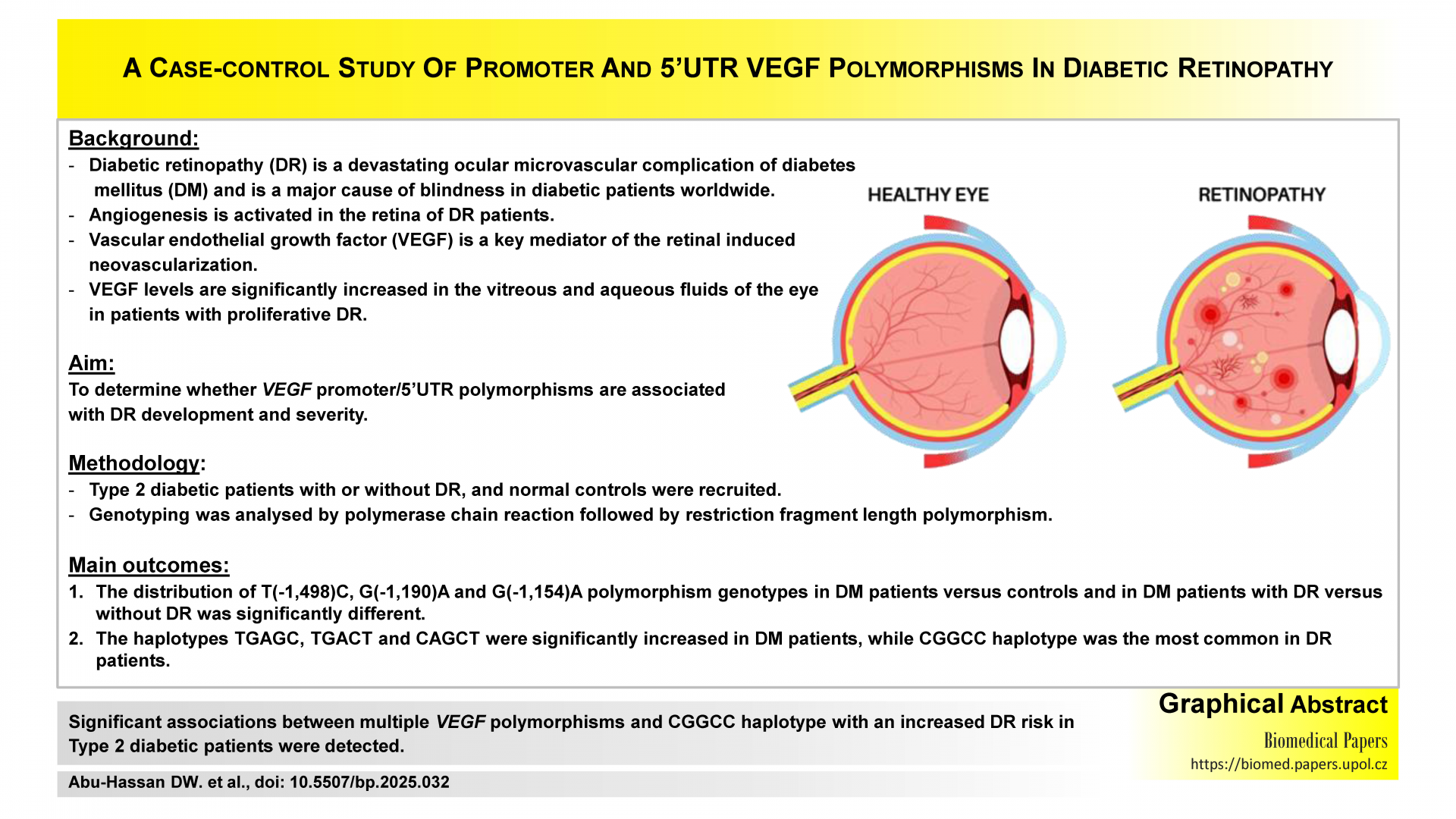
A case-control study of promoter and 5'UTR VEGF polymorphisms in diabetic retinopathyOriginal papers
Diala Walid Abu-Hassan, Muawyah D Al-Bdour, Huda Tahir, Mona Freihat, Ibraheem Saleh, Mohammed El-Khateeb, Mary J Kelley
Biomed Pap Med Fac Univ Palacky Olomouc Czech Repub. 2026, 170(3):252-264 | DOI: 10.5507/bp.2025.032
As a complication of diabetes, retinopathy is a major cause of blindness in diabetic patients worldwide. Vascular endothelial growth factor (VEGF) plays a key role in mediating angiogenesis in the retina, which is characteristic of diabetic retinopathy (DR). A potential significant role of VEGF in the development of DR is highly anticipated, and hence we investigated multiple polymorphisms in the promoter and 3'-untranslated regions. The distribution of these polymorphisms was significantly different in diabetic patients versus controls, and in diabetic patients with DR versus without DR. Multiple haplotypes were significantly increased in diabetes mellitus (DM) patients, while some were more common in DR patients. These results emphasize the potential effect of VEGF on DR risk. More mechanistic studies should follow to investigate this role.
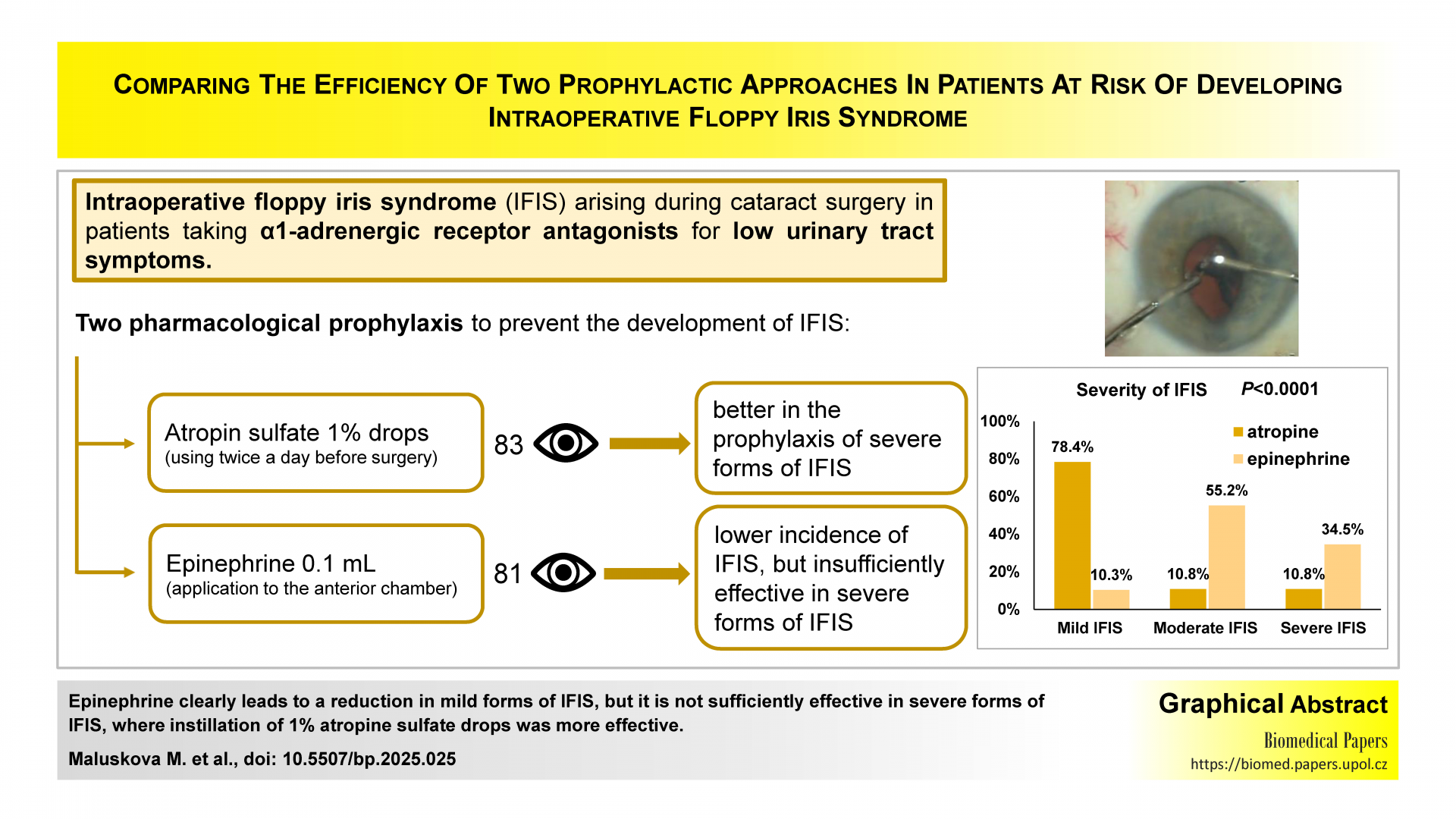
Comparing the efficiency of two prophylactic approaches in patients at risk of developing Intraoperative Floppy Iris SyndromeOriginal papers
Miroslava Maluskova, Klara Maresova, Zuzana Schreiberova, Barbora Paskova, Marta Karhanova
Biomed Pap Med Fac Univ Palacky Olomouc Czech Repub. 2026, 170(3):245-251 | DOI: 10.5507/bp.2025.025
Intraoperative Floppy Iris Syndrome (IFIS) is a condition that can potentially lead to serious complications during cataract surgery that threaten the patient's final vision. There are a number of guidelines for operative technique modifications with the aim of preventing the development of IFIS. This study focuses on two options for prophylactic strategies: the application of atropine drops and the instillation of intracameral epinephrine. Epinephrine clearly leads to a reduced number of mild forms of IFIS, however it is not sufficiently effective in severe forms of IFIS, where atropine was more effective. The authors confirm that IFIS is difficult to predict and that there is still no clear recommendation that would prevent the development of IFIS in all high-risk patients.
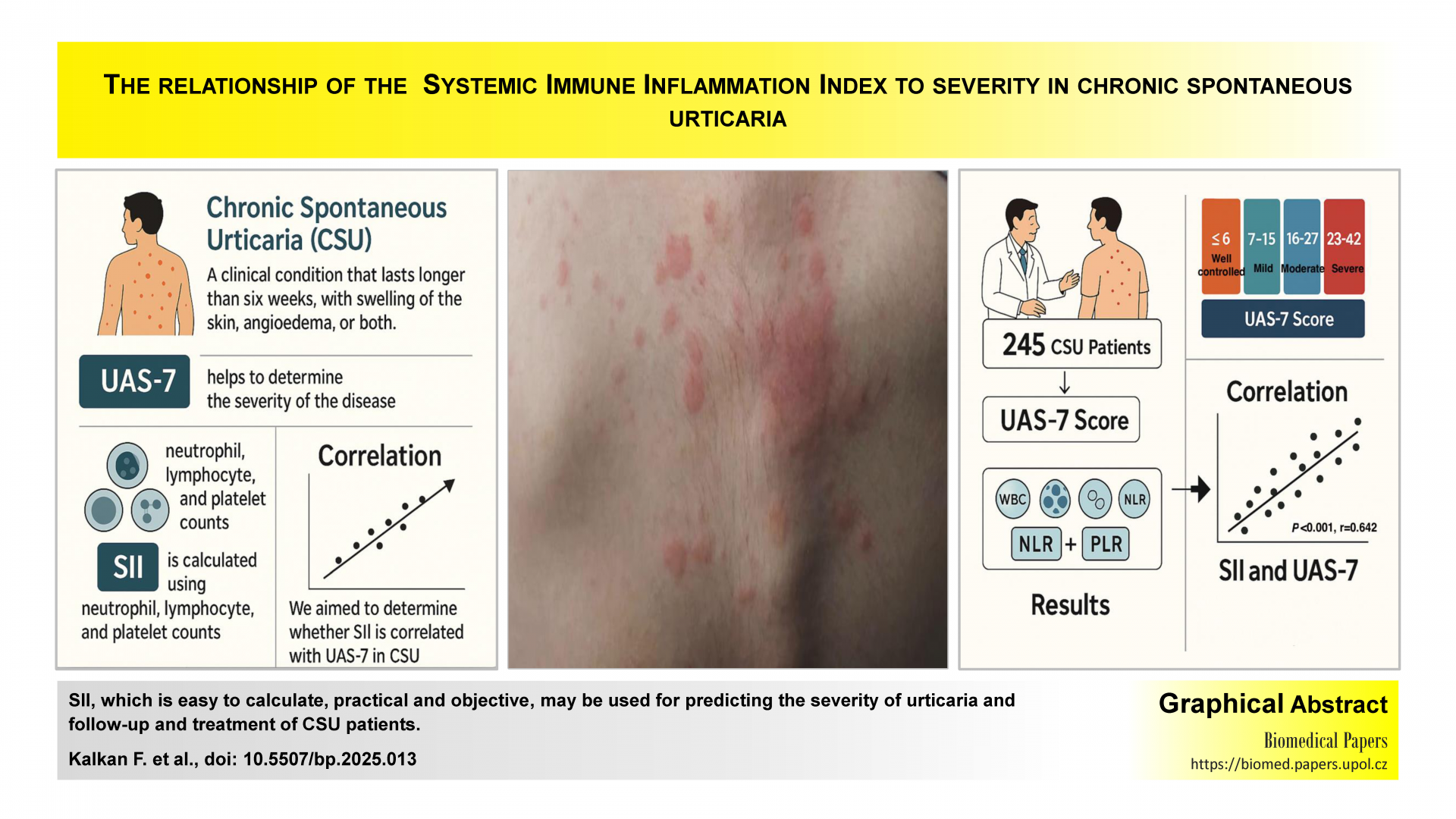
The relationship of the systemic immune inflammation index to severity in chronic spontaneous urticariaOriginal papers
Fikriye Kalkan, Sait Yesillik, Fevzi Demirel, Ezgi Sonmez, Yasemin Akgul Balaban, Mustafa Ilker Inan, Ozgur Kartal
Biomed Pap Med Fac Univ Palacky Olomouc Czech Repub. 2026, 170(3):239-244 | DOI: 10.5507/bp.2025.013
This article is an investigation of the association between the severity of chronic spontaneous urticaria (CSU) evaluated using the Urticaria Activity Score-7 (UAS-7) and its relation to the systemic immune inflammation index (SII). The SII, a simply available and objective inflammatory marker has a good correlation with UAS-7, and may be used as an addition to the UAS-7 in the treatment CSU. The SII may be a useful tool in the evaluation and management of CSU.
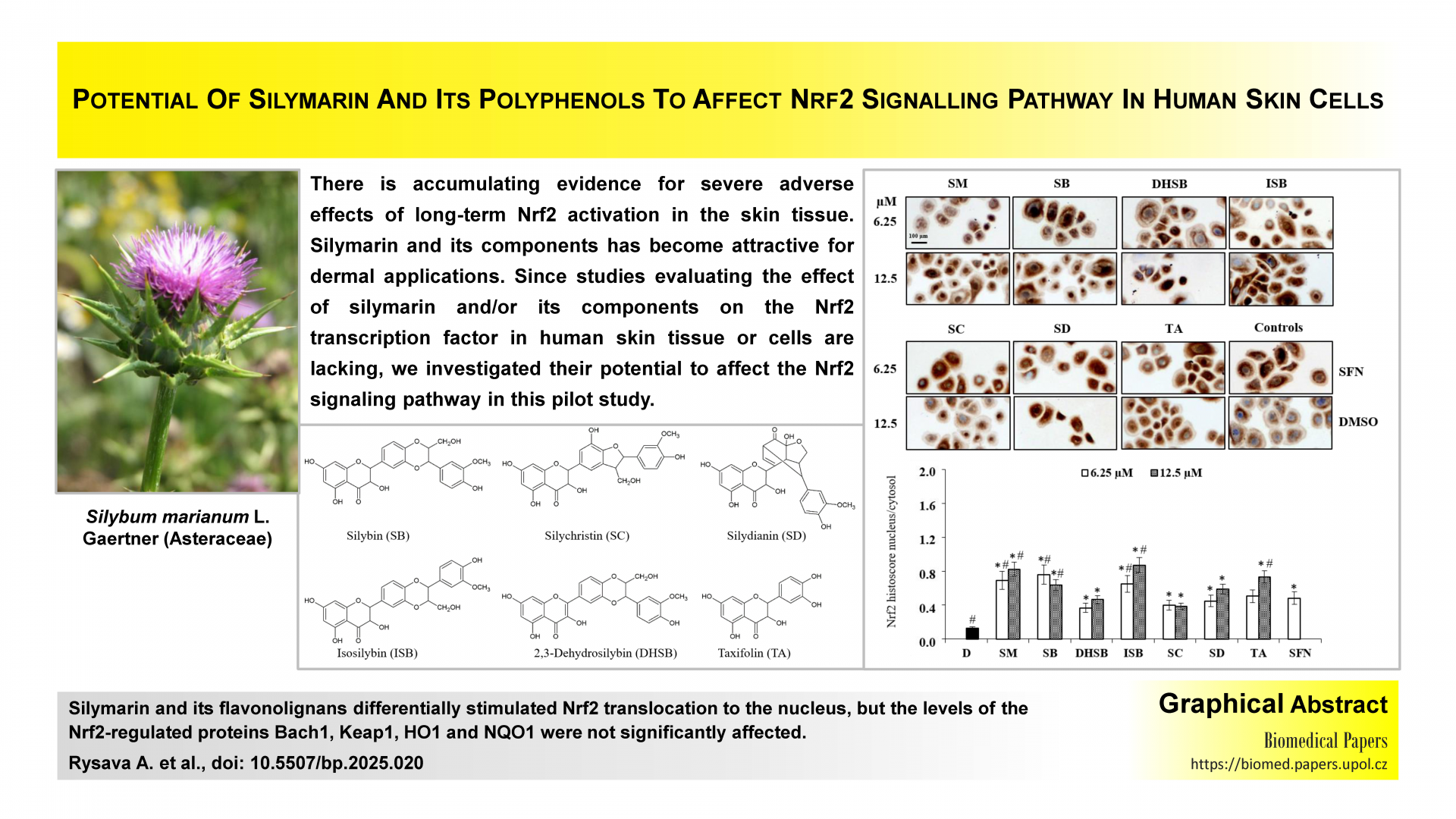
Potential of silymarin and its polyphenols to affect Nrf2 signalling pathway in human skin cellsOriginal papers
Alena Rysava, Katerina Valentova, Katerina Cizkova, Jitka Vostalova, Bohumil Zalesak, Alena Rajnochova Svobodova
Biomed Pap Med Fac Univ Palacky Olomouc Czech Repub. 2026, 170(3):229-238 | DOI: 10.5507/bp.2025.020
Silymarin, a well-known hepatoprotective agent, has become the focus of dermal application. Minimal knowledge exists about its effect on transcriptional nuclear factor erythroid 2-related factor 2 (Nrf2). However, evidence for severe adverse effects of prolonged Nrf2 activation in skin is accumulating, predominantly keratinocyte hyperproliferation and impaired skin barrier function. This study showed no significant effect of silymarin or its components on the studied Nrf2 regulating proteins or Nrf2-driven genes.
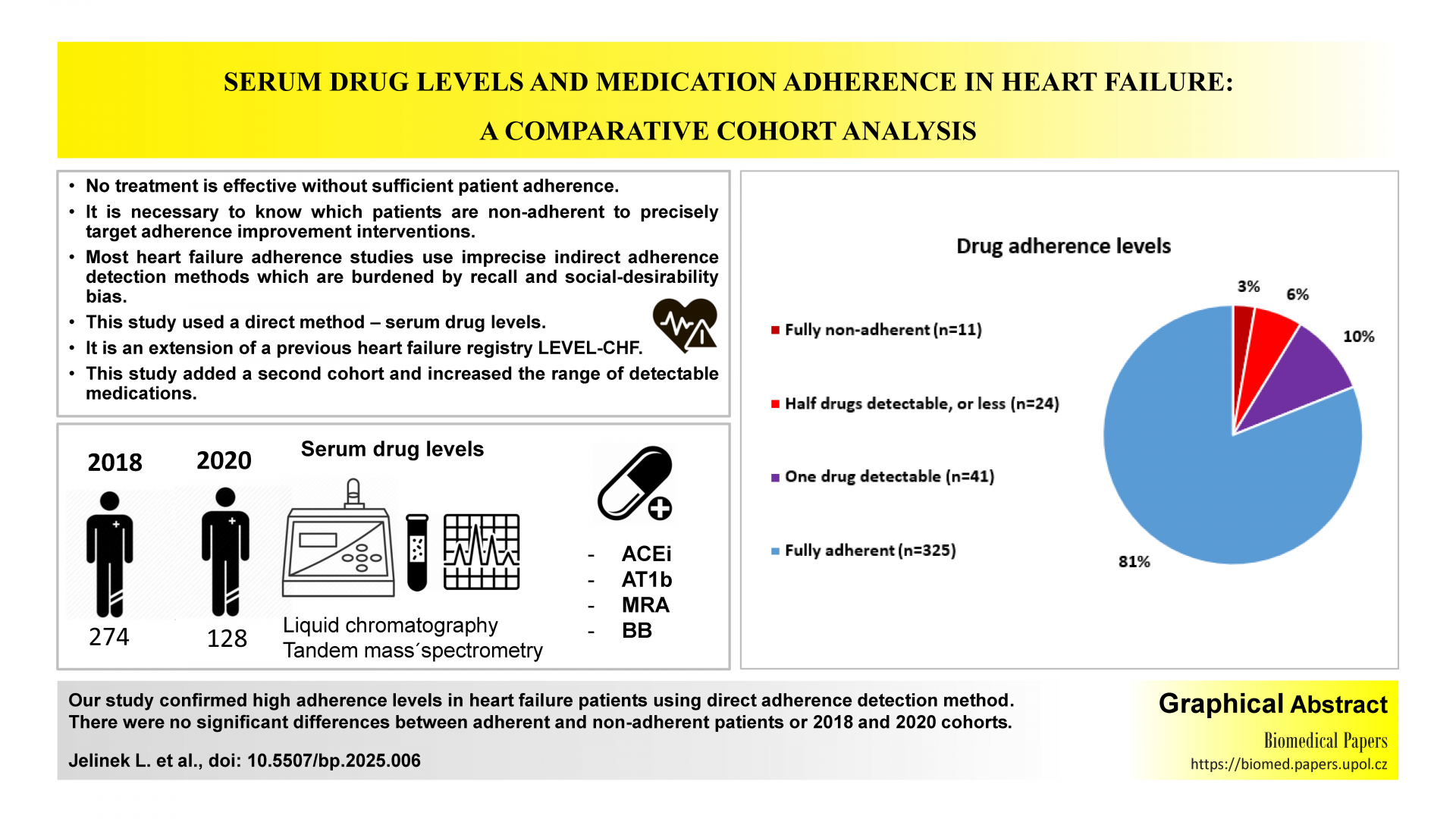
Serum drug levels and medication adherence in heart failure: A comparative cohort analysisOriginal papers
Libor Jelinek, Martin Modrak, Jan Vaclavik, Zdenek Ramik, Lukas Stos, Marie Lazarova, Radek Adamek, Hana Janeckova, Jana Spurna
Biomed Pap Med Fac Univ Palacky Olomouc Czech Repub. 2026, 170(3):216-228 | DOI: 10.5507/bp.2025.006
Medication adherence is essential for effective heart failure management, yet non-adherence remains a significant concern. This study, part of the LEVEL-CHF Extended Registry, analysed adherence using serum drug level testing in cohorts from 2018 and 2020. While most patients adhered to treatment, adherence declined in 2020. Despite this, clinical differences between adherent and non-adherent patients were minimal. The study underscores the importance of direct adherence measurement and suggests that serum drug level testing could enhance heart failure treatment strategies, guiding personalized interventions.
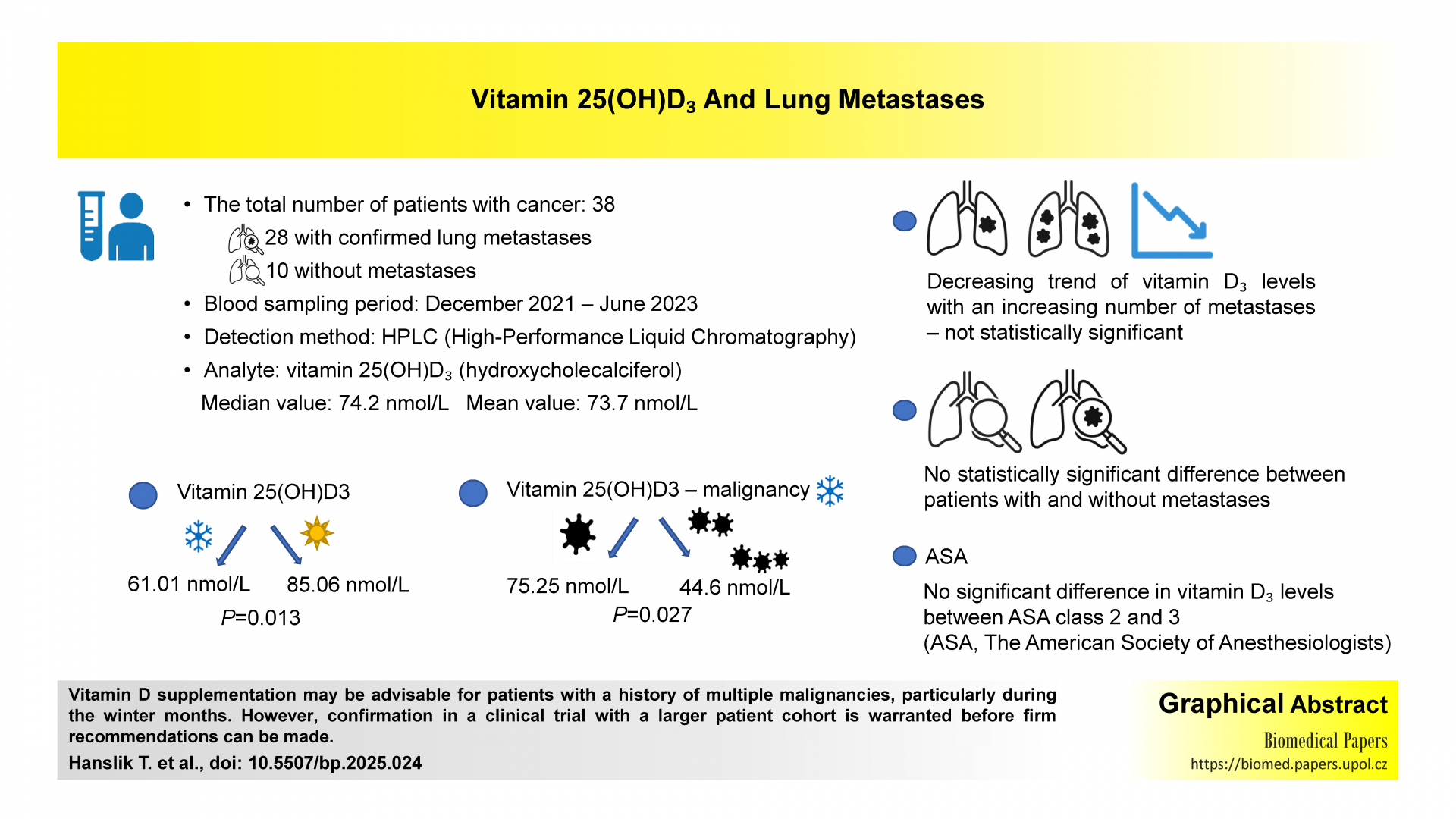
Serum vitamin D levels in patients with lung metastasesOriginal papers
Tomas Hanslik, Thomas Klikovits, Vladimir Soska, Iveta Denemarkova, Adam Pestal, Zdenek Chovanec, Vadim Prudius, Ivan Capov, Vladimir Cervenak, Ondrej Bilek, Tetiana Shatokhina, Jan Resler, Lenka Veverkova, Igor Penka, Michal Benej
Biomed Pap Med Fac Univ Palacky Olomouc Czech Repub. 2026, 170(3):205-215 | DOI: 10.5507/bp.2025.024
This study investigates the relevance of serum vitamin D3 levels in patients with a history of malignancy, with particular focus on those with confirmed lung metastases. Among 38 patients, seasonal variations showed significantly higher vitamin D3 levels in summer. No significant difference in vitamin D3 levels was found between patients with or without lung metastases. However, in winter, patients with a history of multiple malignancies had notably lower vitamin D3 levels than those with a single malignancy. These findings suggest that vitamin D supplementation, particularly in winter, may be beneficial for certain subgroups, warranting further investigation in larger cohorts.
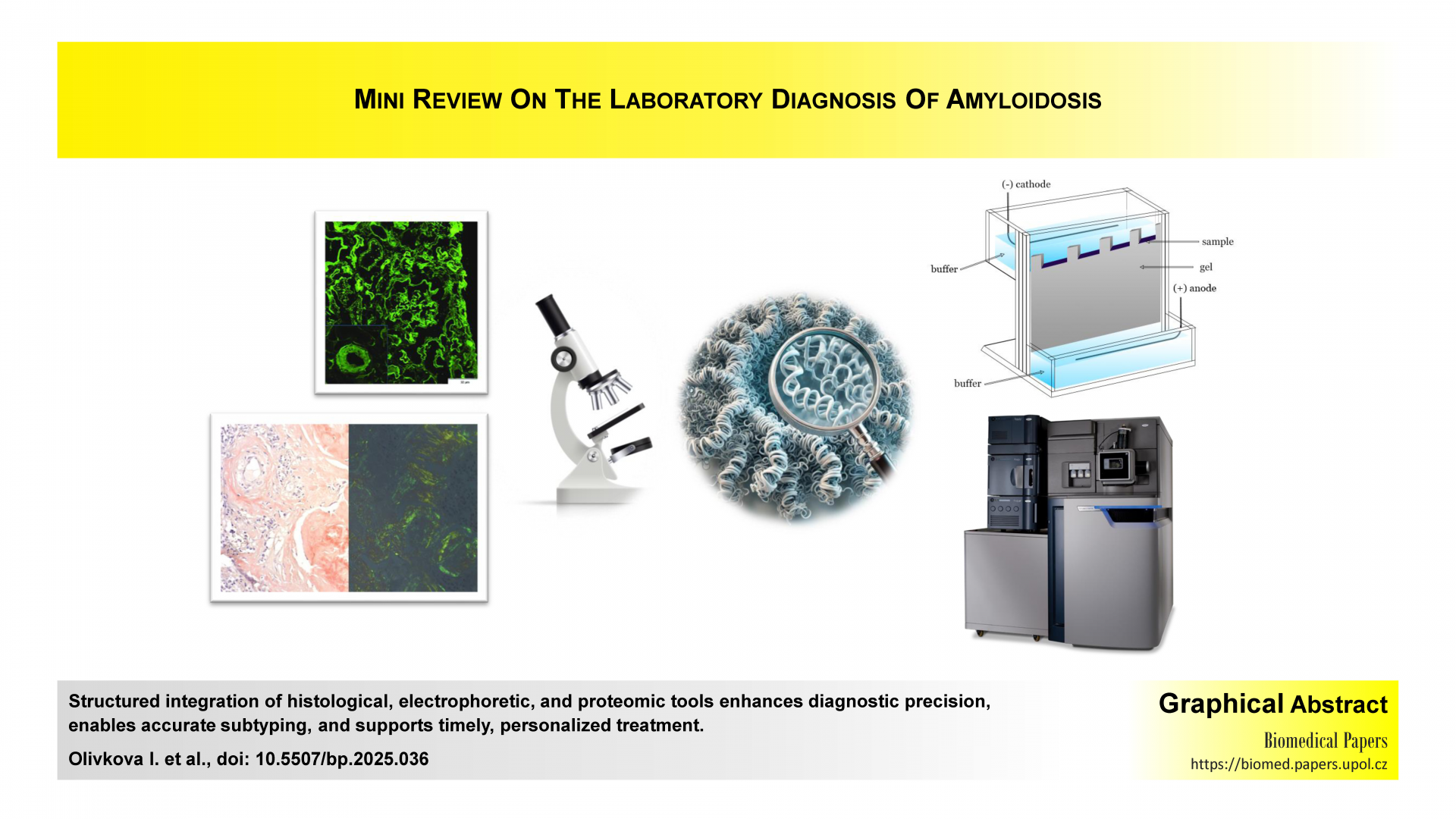
Mini review on the laboratory diagnosis of amyloidosis: An overview of methods, applications, and trends in analytical approachesReviews
Ivana Olivkova, Pavel Sistik, Katerina Kratka, Pavlina Kusnierova, Zdenek Svagera, Jan Jurica, Petr Handlos, Klara Handlosova, David Stejskal
Biomed Pap Med Fac Univ Palacky Olomouc Czech Repub. 2026, 170(3):190-204 | DOI: 10.5507/bp.2025.036
This review summarizes key analytical strategies for detecting misfolded fibrillar deposits using three complementary approaches: tissue-based staining and immunolabeling, separation techniques, and proteomics. Mass spectrometry stands out for its precision in subtype identification. Together, these methods form a structured diagnostic framework that enables earlier recognition, supports individualized treatment, and improves outcomes in complex protein deposition disorders.
Structure, function and usage of integrin alpha 6 (CD49f): A comprehensive reviewReviews
Tomas Soukup, Martin Kapitan, Nela Jouklova, Jan Schmidt, Vincent Gianquintieri, Kenzy H Ismail, Wail Abou Assaf
Biomed Pap Med Fac Univ Palacky Olomouc Czech Repub. 2026, 170(3):180-189 | DOI: 10.5507/bp.2026.012
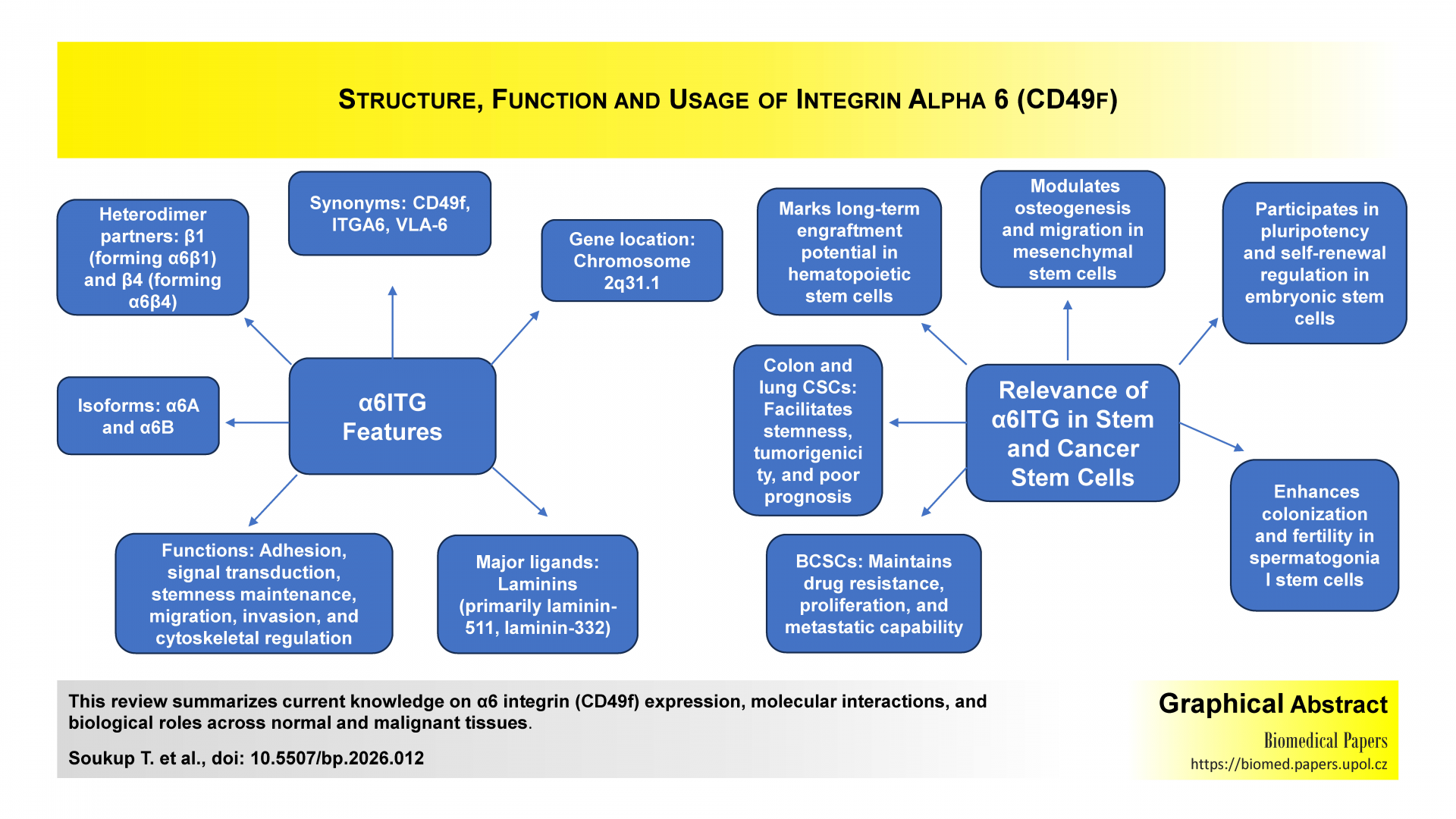
Integrin α6 (CD49f, ITGA6) is a laminin-binding adhesion receptor with essential roles in stem cell biology and cancer progression. This review synthesizes current knowledge on α6ITG isoforms, ligand interactions, downstream signaling pathways, and its context-dependent expression in both healthy and pathological tissues. Special attention is given to its expression in cancer stem cells and its potential as a prognostic or therapeutic target.
The role of DNA methylation in the regulation of HLA expressionReviews
Adam Strnad, Martin Petrek
Biomed Pap Med Fac Univ Palacky Olomouc Czech Repub. 2026, 170(3):169-179 | DOI: 10.5507/bp.2025.031
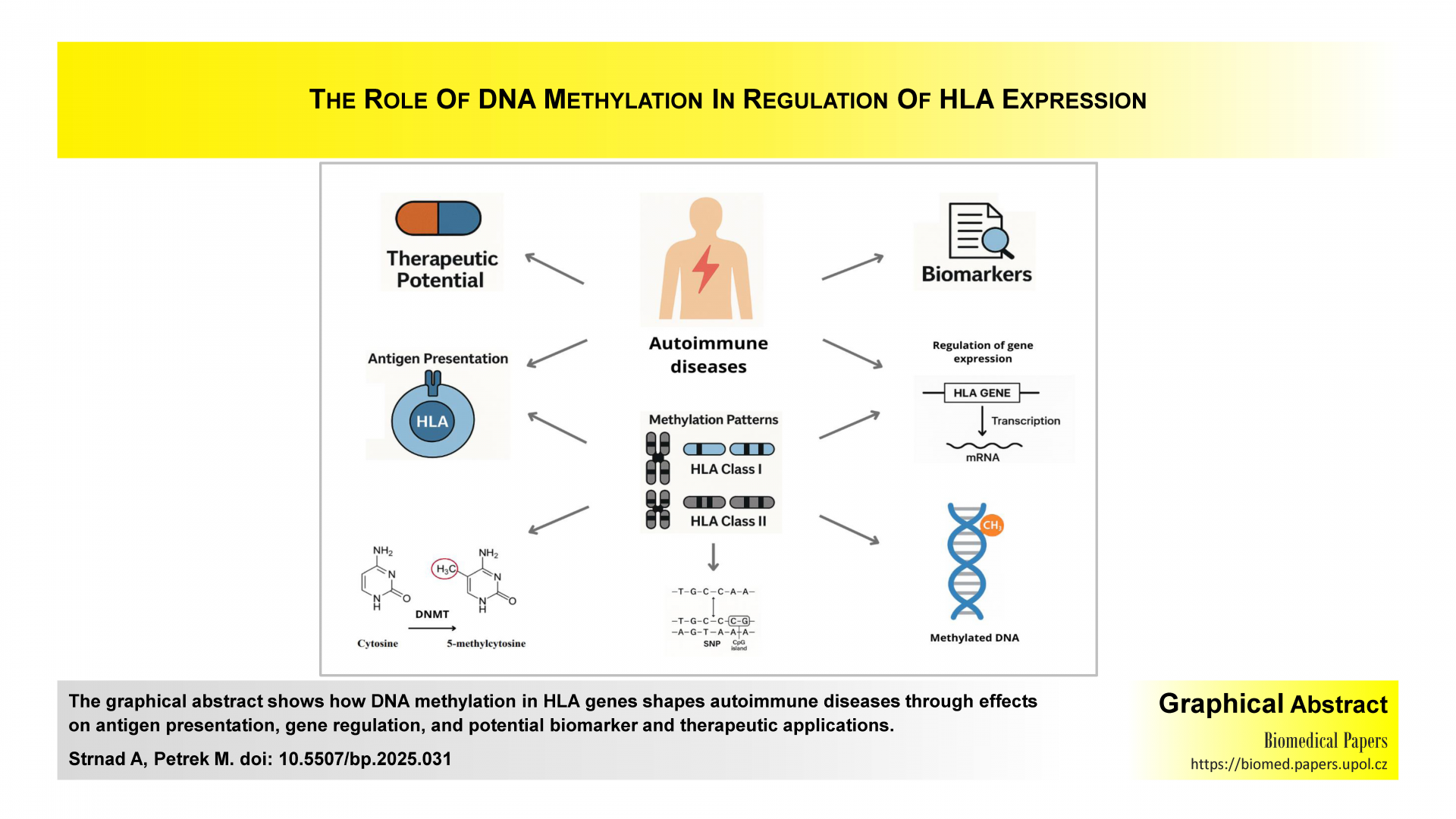
This review provides a thorough overview of how allele-specific DNA methylation influences immune responses by regulating gene expression within the immune system's primary regulatory complex. It emphasises the role of specific CpG-SNP interactions and epigenetic alterations in modulating susceptibility to autoimmune diseases. By linking molecular mechanisms to clinical relevance, the manuscript provides new insights into the epigenetic regulation of antigen presentation and immune tolerance. It also explores potential opportunities for discovering biomarkers and developing targeted therapeutic strategies.
Uterine artery embolisation in symptomatic patients with placenta accreta spectrum disordersOriginal papers
David Brustman, Jan Raupach, Vendelin Chovanec, Pavel Ryska
Biomed Pap Med Fac Univ Palacky Olomouc Czech Repub. 2026, 170(2):163-167 | DOI: 10.5507/bp.2024.039
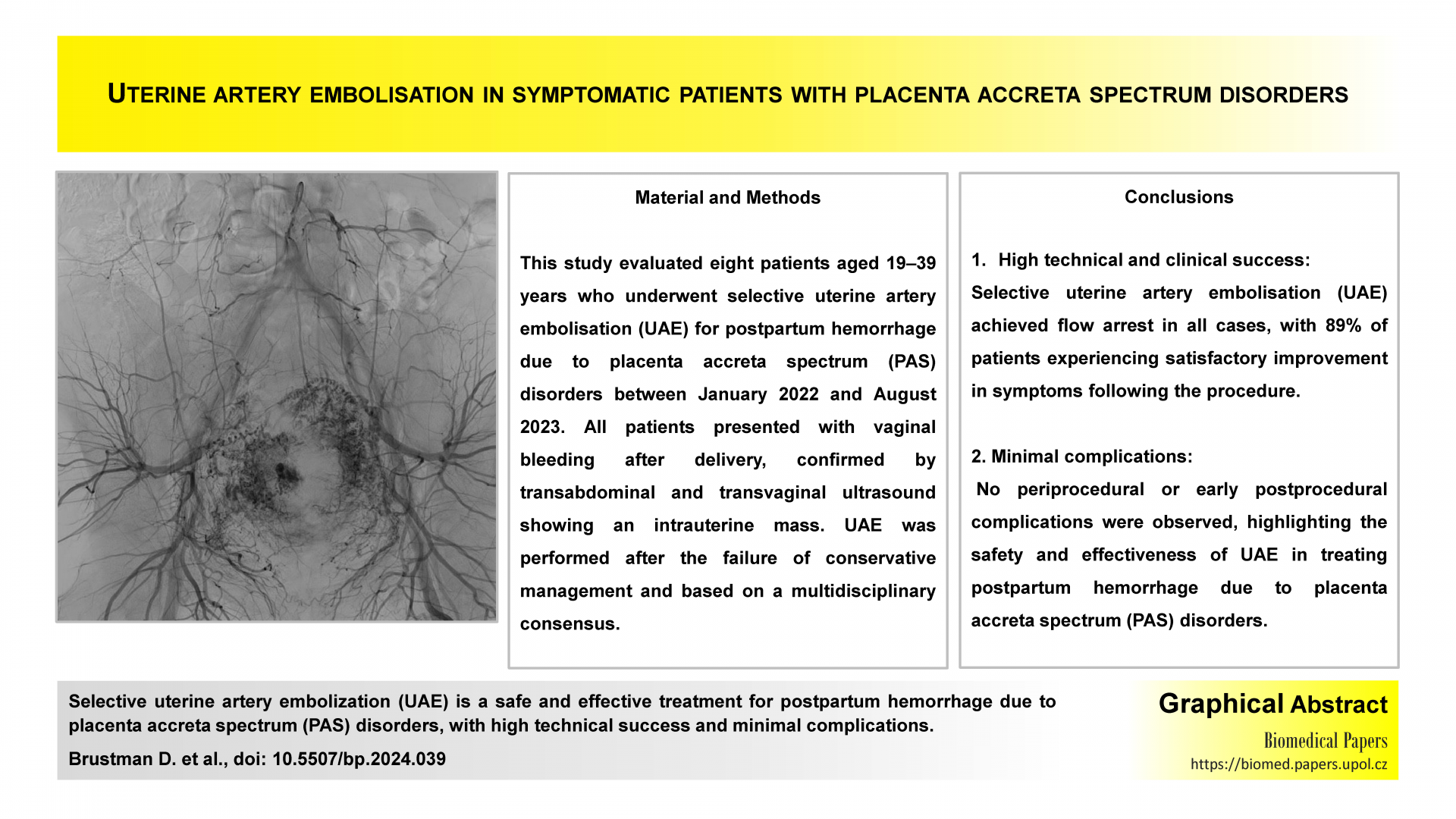
This study explores the use of uterine artery embolization (UAE) in patients with postpartum hemorrhage caused by placenta accreta spectrum (PAS) disorders. The procedure was performed after conservative treatments failed, aiming to control bleeding and reduce the need for more invasive surgeries. UAE successfully improved symptoms in the majority of patients, with no major complications during or after the procedure. Follow-up showed no recurrence of bleeding. The results suggest that UAE is a safe and effective treatment option for managing PAS-related hemorrhage, offering a less invasive alternative to surgical interventions.
The burden of multimorbidity in patients with systemic lupus erythematosus - single-centre analysisOriginal papers
Marketa Dudkova, Martina Skacelova, Pavel Horak, Jakub Videman, Adela Skoumalova
Biomed Pap Med Fac Univ Palacky Olomouc Czech Repub. 2026, 170(2):153-162 | DOI: 10.5507/bp.2025.004
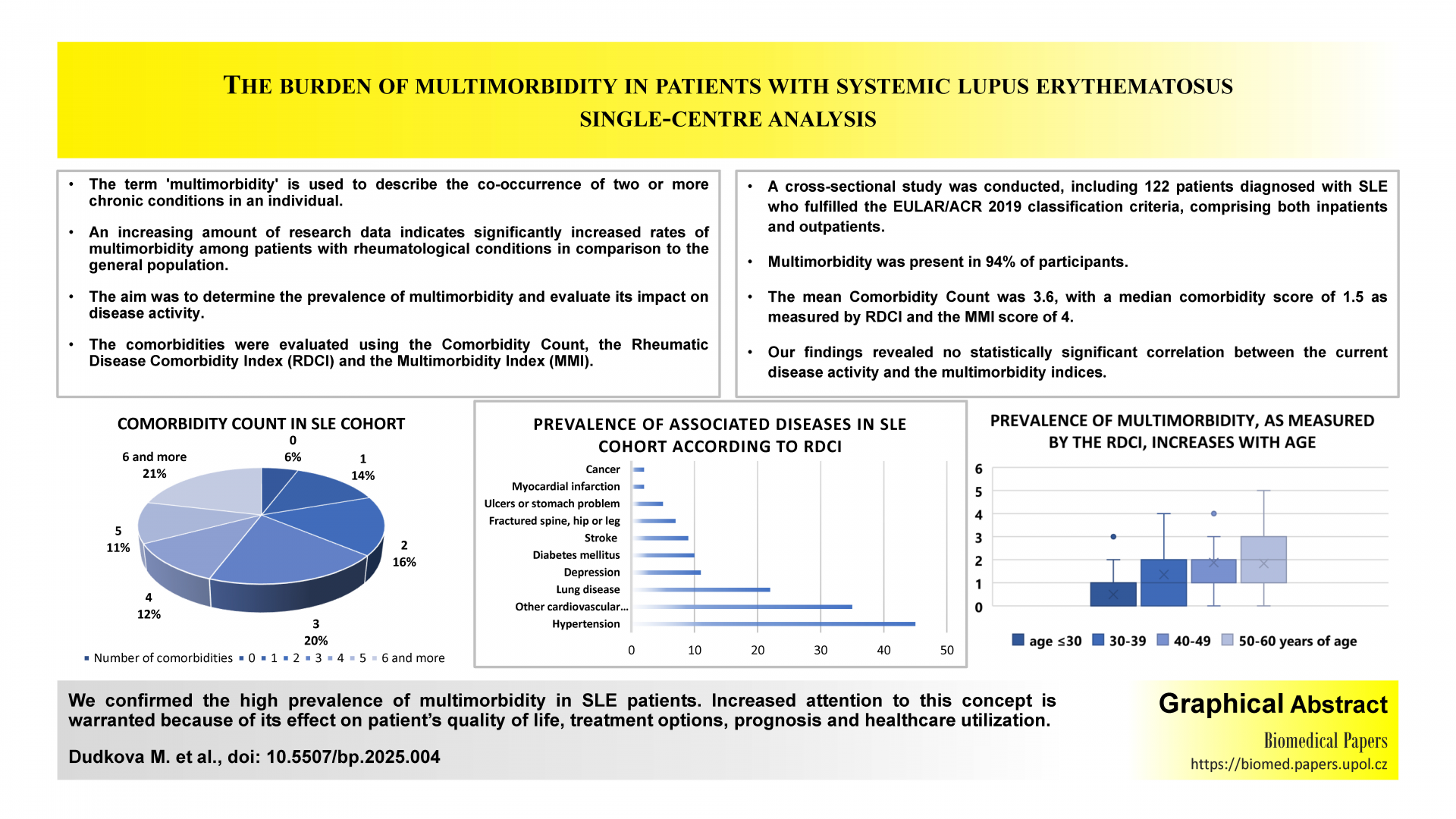
The prevalence of multimorbidity, defined as the presence of at least two chronic diseases, is increasing in both the general population and among patients with rheumatic conditions. This study provides insight into the prevalence of multimorbidity in one of the most frequent systemic autoimmune disorders, systemic lupus erythematosus (SLE). This chronic inflammatory autoimmune disease is characterised by the involvement of multiple organs due to both the disorder itself and the frequent comorbidities that are associated with the underlying disease process. These factors have the potential to affect the quality of life, treatment options, healthcare utilisation and overall patient prognosis.
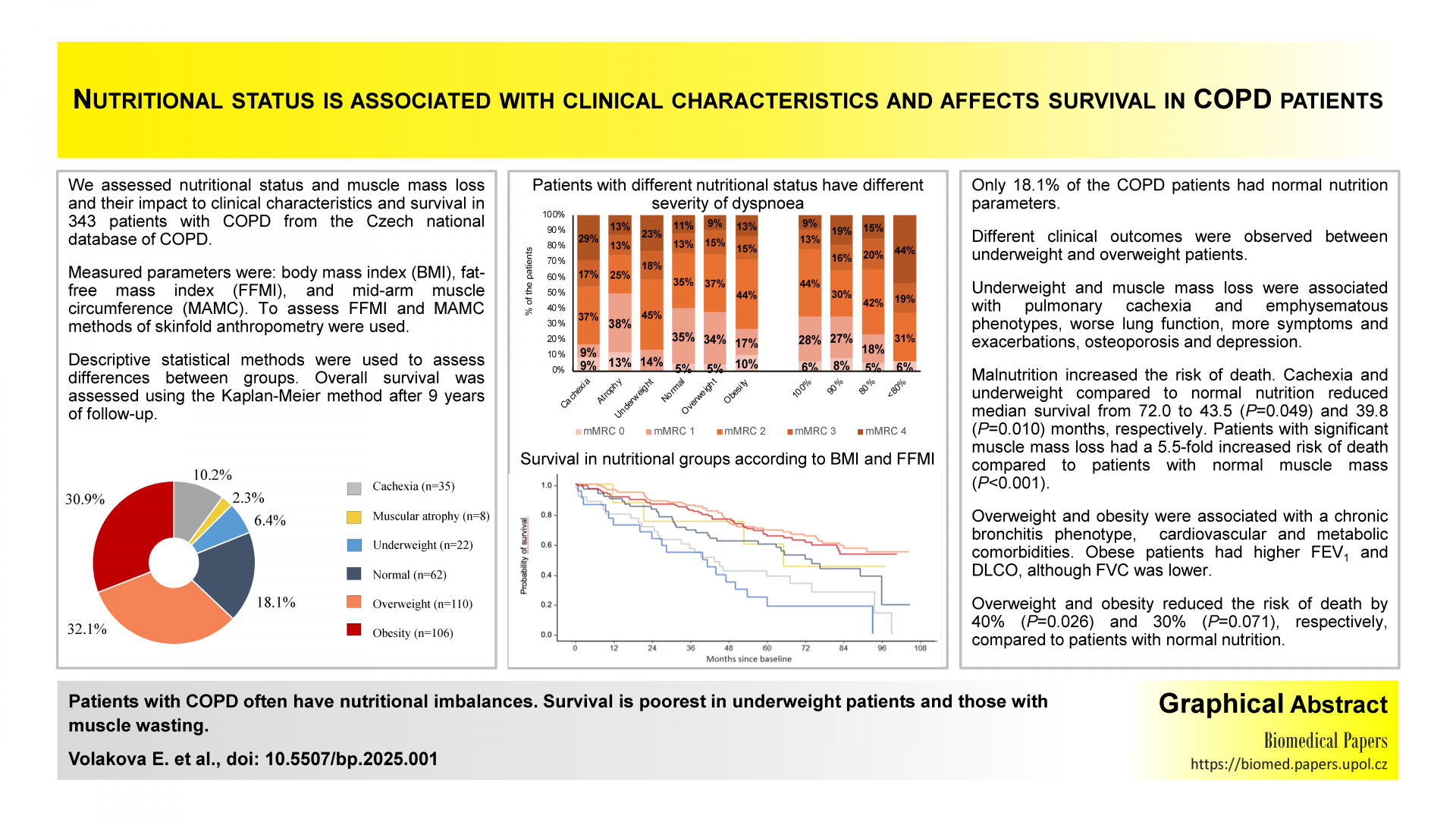
Nutritional status and muscle mass loss in patients with COPD, association with lung function, symptoms, comorbidities and long-term survival: data from the National Database StudyOriginal papers
Eva Volakova, Vladimir Koblizek, Michal Svoboda, Karel Hejduk, Marek Plutinsky, Kristian Brat, Martina Kulirova, Jaromir Zatloukal
Biomed Pap Med Fac Univ Palacky Olomouc Czech Repub. 2026, 170(2):137-152 | DOI: 10.5507/bp.2025.001
Similar to other chronic diseases, nutritional status appears to be an important determinant in patients with COPD. In this study, a comprehensive assessment was made of nutritional status and its association with other clinical characteristics and survival in 343 patients from the National Database of COPD. Nutritional imbalances were common in patients with COPD. Less than one fifth of the patients in the cohort had normal nutritional parameters. Overweight and obesity predominated, while underweight and muscle wasting were associated with the highest mortality. Different nutritional categories were associated with different comorbidities. The causes of these differences remain unclear. Some studies suggest a possible influence of pro-inflammatory cytokines, which may differ in relation to nutritional categories. More research is needed to clarify this.
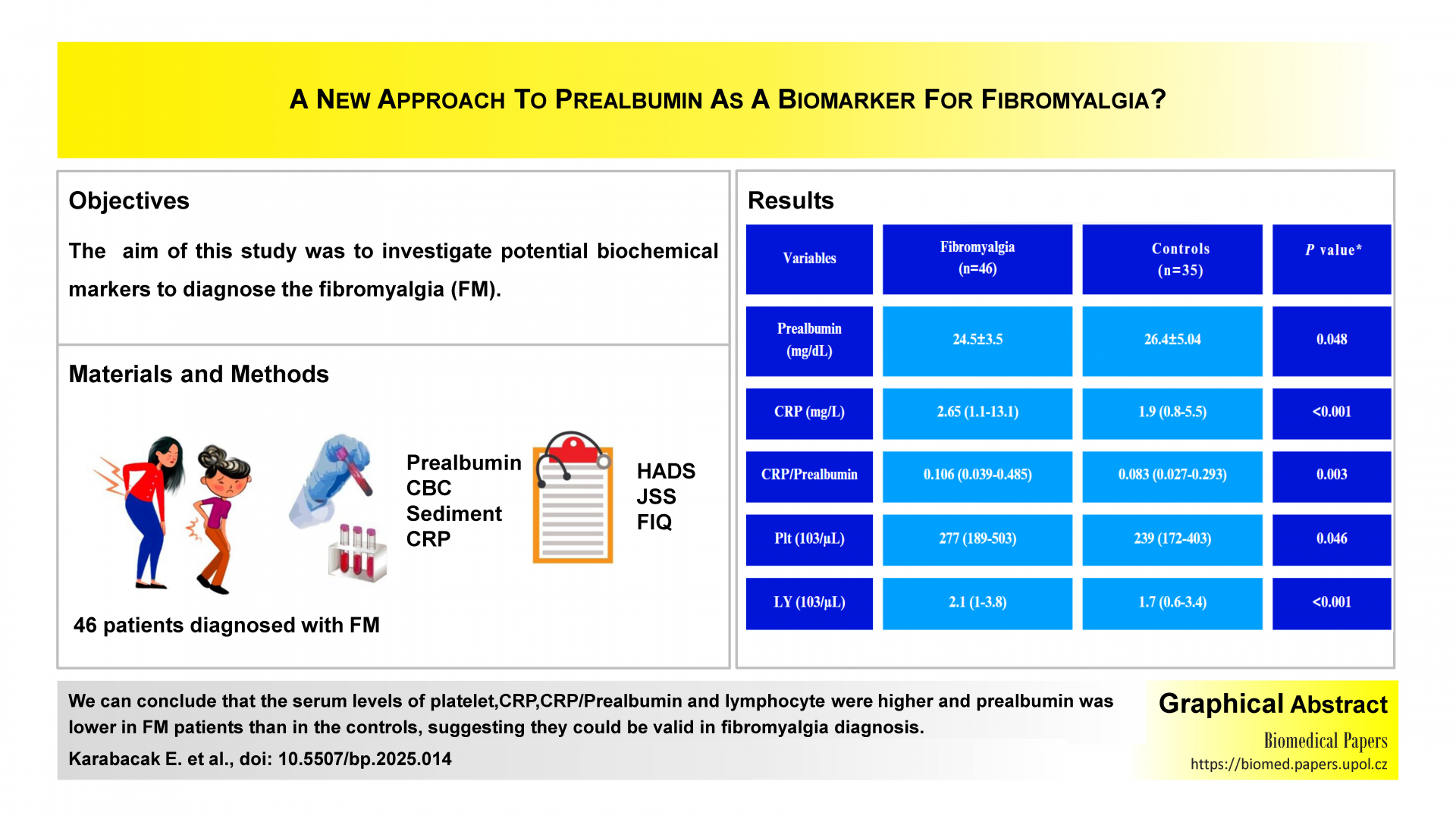
A new approach to prealbumin as a biomarker for fibromyalgia?Original papers
Elif Karabacak, Muhtesem E. Yayla, Gulsah Y. Ozturk, Bahadir Ozelbaykal
Biomed Pap Med Fac Univ Palacky Olomouc Czech Repub. 2026, 170(2):131-136 | DOI: 10.5507/bp.2025.014
There are currently no laboratory markers available to diagnose Fibromyalgia (FM). The aim in this study was to investigate biochemical markers that would support the pathogenesis and diagnosis of FM. To the best of the knowledge of the authors, this is the first study to evaluate CRP/prealbumin and prealbumin values in patients with Fibromyalgia. The results suggest that the CRP, CRP/prealbumin, lymphocyte and platelet levels increase in the disease and the prealbumin level decreases, which may indicate the role of inflammation in the pathogenesis. It was concluded that the inflammatory markers identified in this study may be useful in facilitating early diagnosis and treatment of patients with FM. The study was presented to contribute to the literature on FM.
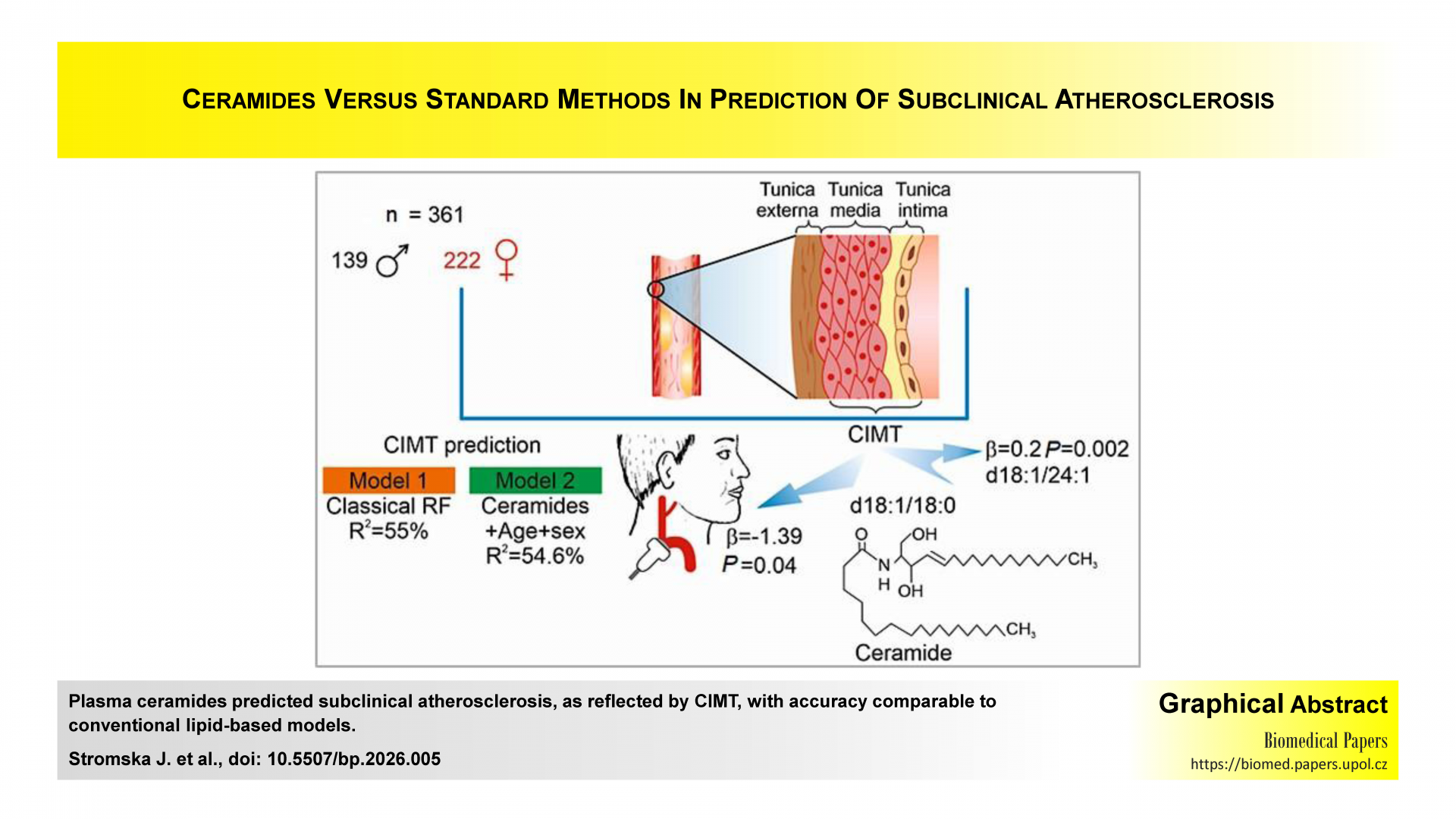
Ceramides versus standard methods in prediction of subclinical atherosclerosisOriginal papers
Janula Stromska, Geraldo Neto, Irma Magaly Rivas-Serna, Juan Pablo Gonzalez-Rivas, Manlio Vinciguerra, Roman Panovsky, Radim Brat, Jiri Plasek
Biomed Pap Med Fac Univ Palacky Olomouc Czech Repub. 2026, 170(2):123-130 | DOI: 10.5507/bp.2026.005
Ceramides are a heterogeneous group of bioactive membrane sphingolipids. Evidence suggests that specific ceramide species are potential biomarkers and mediators of cardiovascular disease. The aim of the study was to develop two prediction models for carotid intima-media thickness (CIMT) using readily available variables. One model included conventional biomarkers (total cholesterol, triglycerides, hypolipidemics) in addition to gender and age, while the other included blood concentrations of selected ceramides. Cer(d18:1/18:0) was inversely related to CIMT, while Cer(d18:1/24:1) was positively correlated. Given that the study is cross-sectional, the findings should be interpreted as associations and do not support any causal inference.
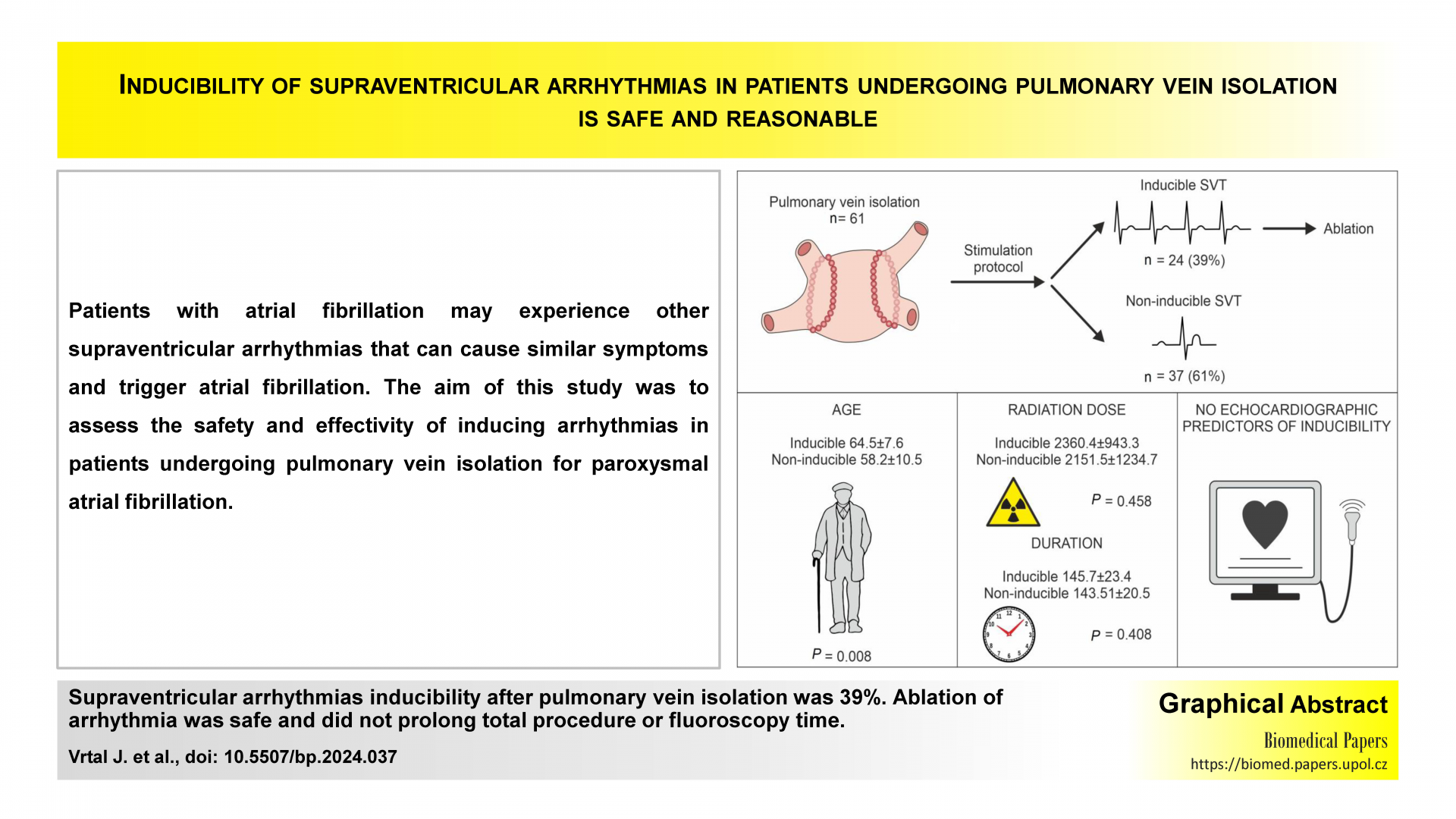
Induction of supraventricular tachycardias in patients undergoing pulmonary vein isolation for paroxysmal atrial fibrillation is safe and reasonableOriginal papers
Jiri Vrtal, Jiri Plasek, David Sipula, Jan Vaclavik, Jozef Dodulik, Tomas Skala, Vlastimil Cernicek
Biomed Pap Med Fac Univ Palacky Olomouc Czech Repub. 2026, 170(2):118-122 | DOI: 10.5507/bp.2024.037
Patients with atrial fibrillation (AF) may experience other supraventricular tachycardias (SVT) that can trigger AF and cause similar symptoms. This study aimed to analyse the safety and efficacy of inducing SVT in patients undergoing catheter ablation (CA) for AF. The authors enrolled 61 patients with paroxysmal AF who underwent CA between January 2022 and March 2023. This electrophysiological study was performed after pulmonary vein isolation (PVI) to induce SVT. Induced arrhythmias were mapped and ablated. All patients were followed at 3, 6 and 12 months after the procedure and seven-day ECG Holter monitoring was carried out after 6 and 12 months from the procedure. SVT inducibility after successful pulmonary vein isolation was 39%. Age differed significantly in patients with arrhythmia inducibility compared to those without (64.5± 7.6 and 58.2±10.5, P=0.04). There were no significant differences in procedure time (P=0.408) or fluoroscopy dose (P=0.458) between patients with inducible arrhythmia and those without. None of the echocardiographic parameters showed any significant differences between groups. The conclusion of the study is that ablation of induced non-clinical arrhythmia is safe and does not prolong the total procedure or fluoroscopy time.
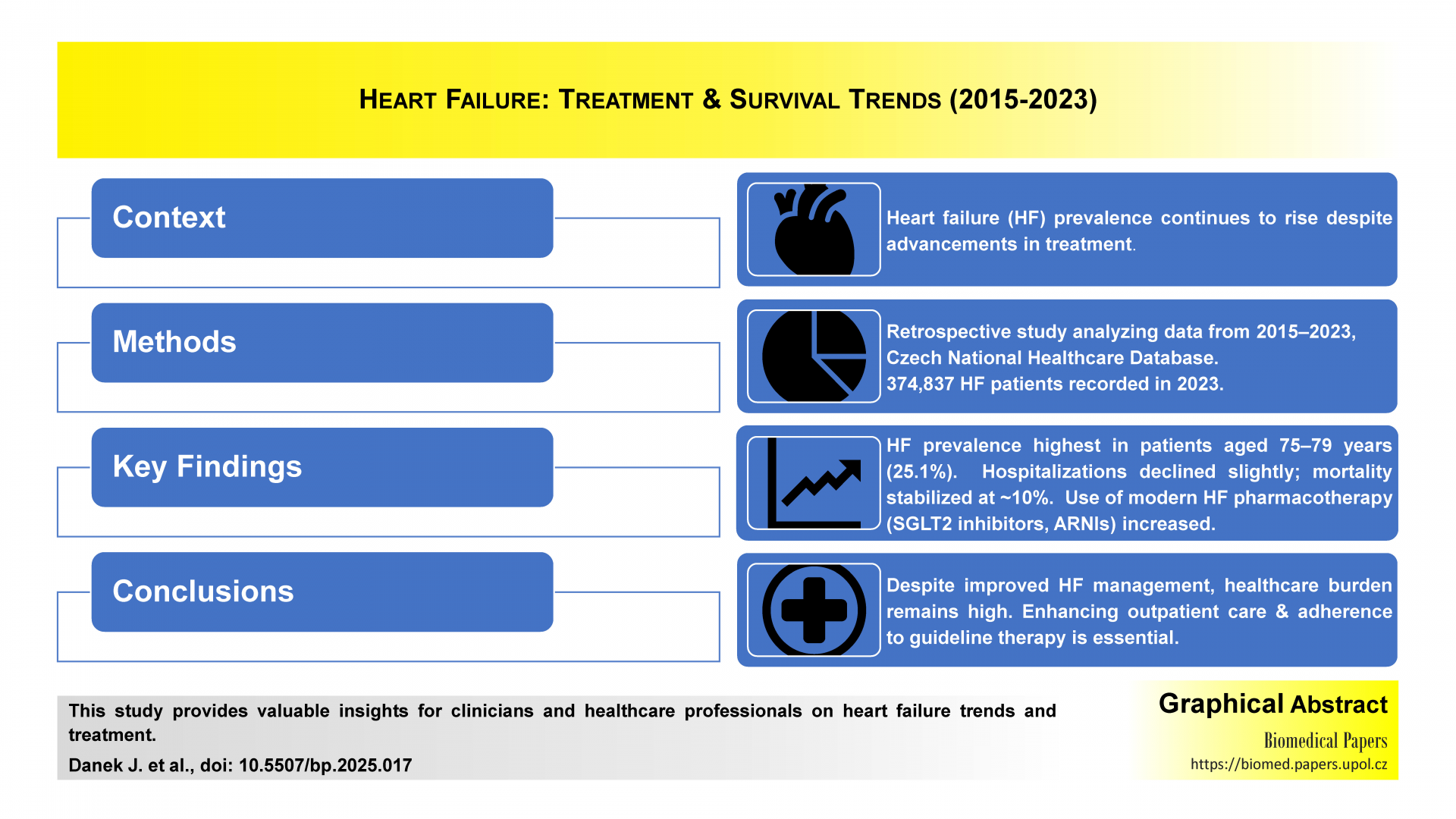
Treatment and survival of patients with heart failure: An updated analysis from the Czech National Healthcare DatabaseOriginal papers
Josef Danek, Jiri Jarkovsky, Klara Benesova, Milos Taborsky
Biomed Pap Med Fac Univ Palacky Olomouc Czech Repub. 2026, 170(2):110-117 | DOI: 10.5507/bp.2025.017
Heart failure (HF) remains a growing public health concern. This study provides an updated analysis of HF incidence, prevalence, hospitalizations, and mortality trends in the Czech Republic (2015-2023). Using data from the National Healthcare Reimbursement Database (NRHZS), the authors evaluated key epidemiological patterns. Findings show a rising prevalence, stable incidence, and a slight decline in hospitalizations, while in-hospital mortality remains around 10%. Increased use of novel HF therapies, including ARNIs and SGLT2 inhibitors, was observed. These insights highlight the need for improved guideline adherence and multidisciplinary care models.
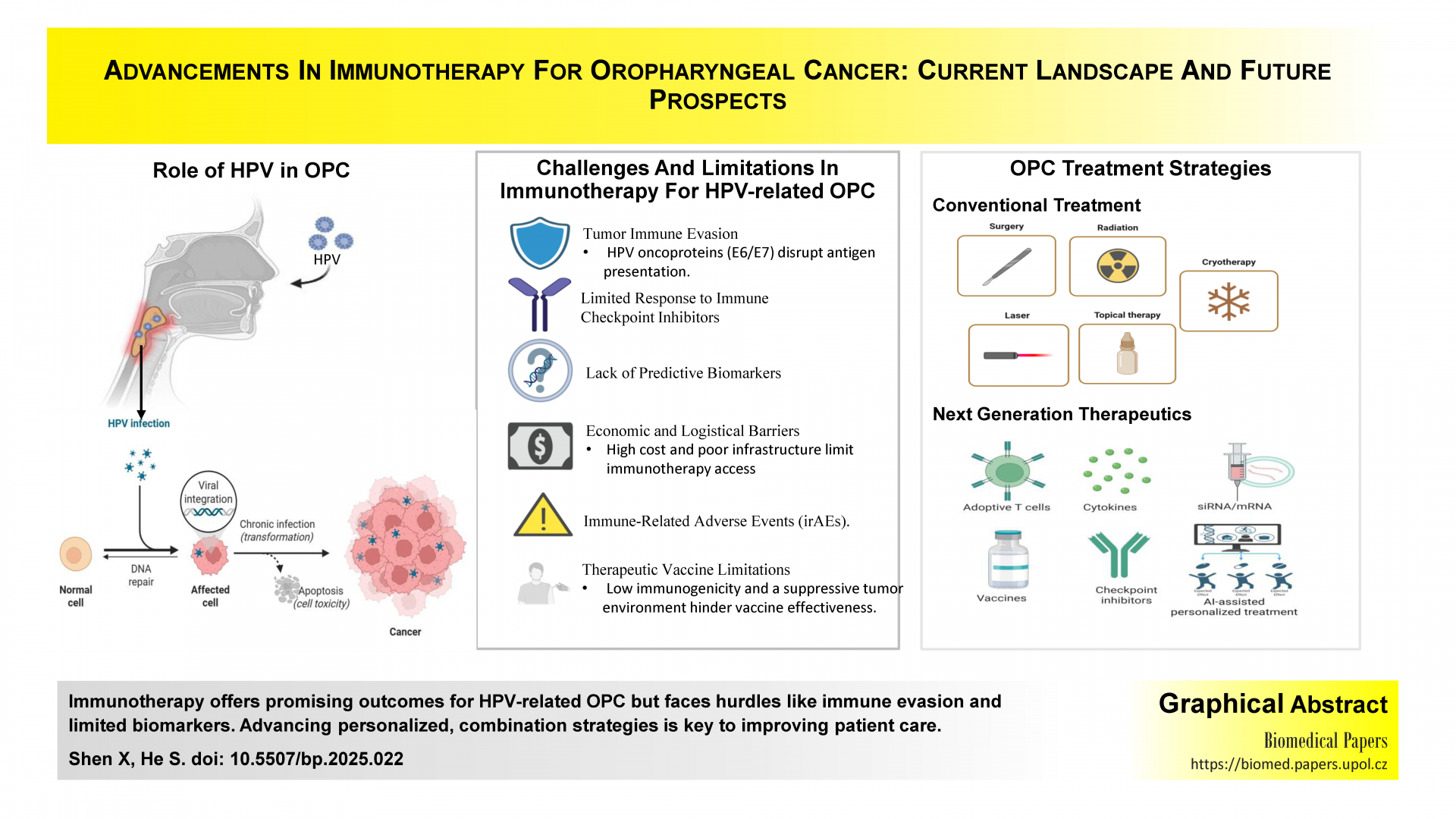
Advancements in immunotherapy for oropharyngeal cancer: Current landscape and future prospectsReviews
Xixi Shen, Shizhi He
Biomed Pap Med Fac Univ Palacky Olomouc Czech Repub. 2026, 170(2):93-109 | DOI: 10.5507/bp.2025.022
This review provides an updated overview of emerging immune-based therapies for oropharyngeal malignancies, particularly those associated with HPV infection. It summarizes current evidence on checkpoint blockade, engineered T-cell approaches, monoclonal antibodies, and therapeutic vaccination strategies, while discussing their clinical relevance and translational potential. The article further evaluates the influence of viral biology, tumor microenvironment, and predictive biomarkers on therapeutic response. Key limitations, including resistance and immune escape, are also highlighted, together with future opportunities for individualized and combination-based treatment strategies in head and neck oncology.
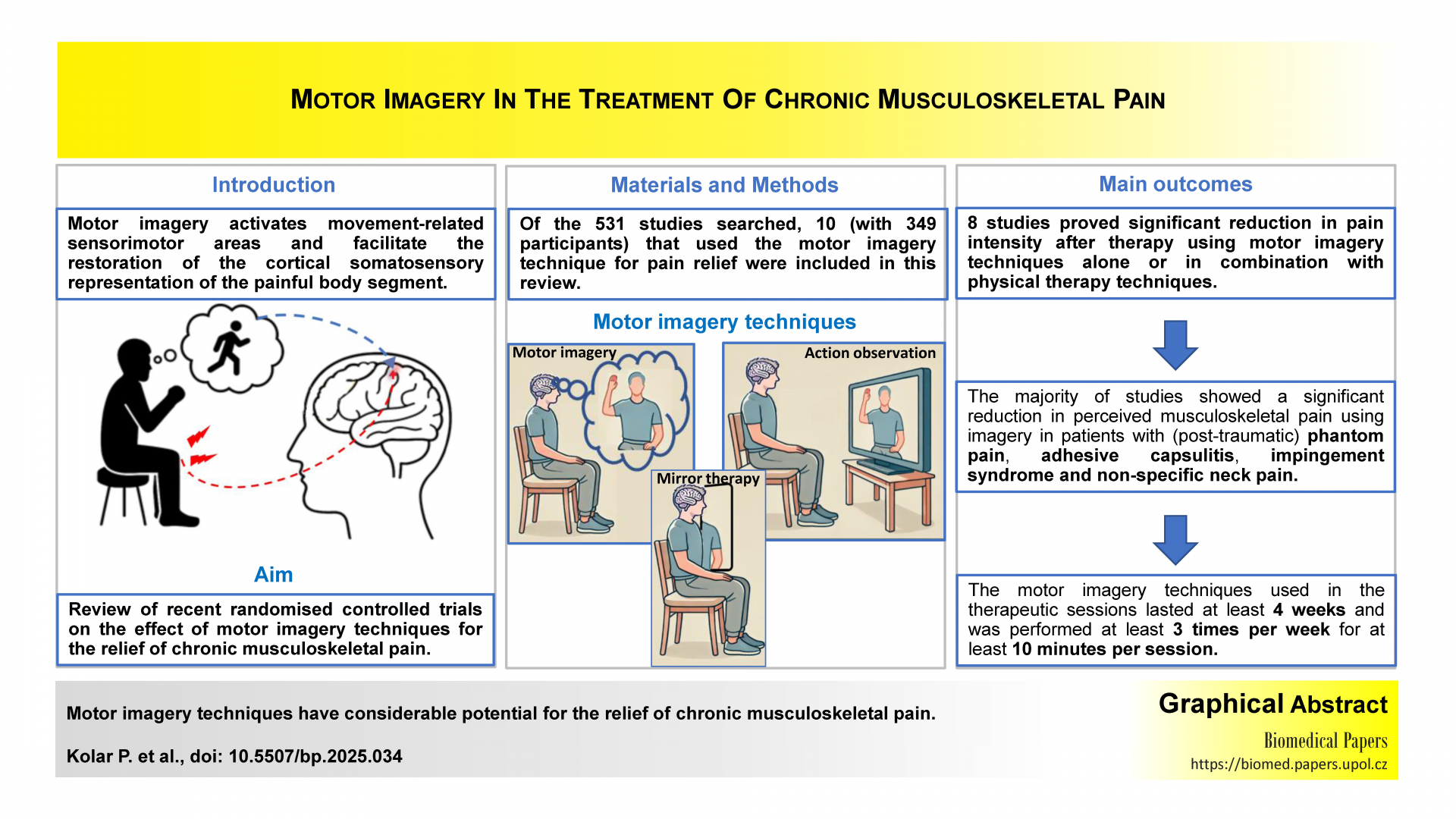
Effectiveness of motor imagery techniques in the treatment of chronic musculoskeletal pain: A scoping reviewReviews
Petr Kolar, Marketa Kovarova, Barbora Kolarova, Miroslav Haltmar, Martin Jochec, Petr Hlustik
Biomed Pap Med Fac Univ Palacky Olomouc Czech Repub. 2026, 170(2):80-92 | DOI: 10.5507/bp.2025.034
Motor imagery techniques, such as motor imagery, mirror therapy, and graded motor imagery, have the capacity to activate brain regions that overlap with those involved in actual movement execution. In individuals with chronic pain, these areas may undergo structural and functional changes due to persistent nociceptive input. Engaging in motor imagery can stimulate brain activity and potentially contribute to the restoration of more typical neural patterns. This scoping review of randomized controlled trials demonstrates that patients with chronic musculoskeletal pain may benefit from these techniques. Compared to control groups, participants receiving MI-based interventions experienced reductions in pain both immediately after therapeutic sessions and during follow-up assessments conducted up to several months post-intervention.
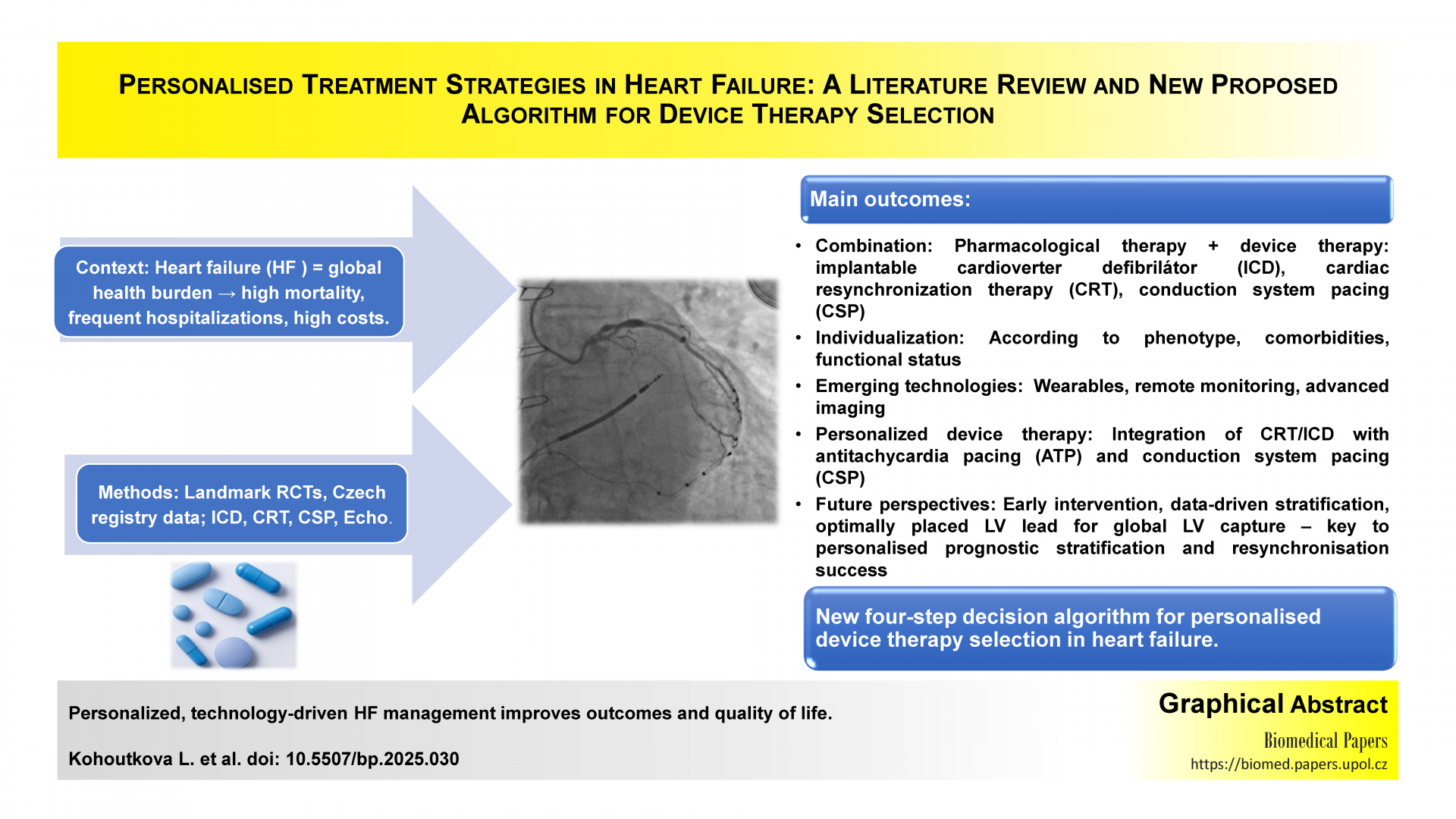
Personalised treatment strategies in heart failure: A literature review and new proposed algorithm for device therapy selectionReviews
Lucie Kohoutkova, Martin Augustynek, Henryk Szymeczek
Biomed Pap Med Fac Univ Palacky Olomouc Czech Repub. 2026, 170(2):71-79 | DOI: 10.5507/bp.2025.030
This article provides a synthesis of key clinical trials on device-based therapy in heart failure within the context of the current trend toward personalized medicine. Its main contribution is the proposal of a novel decision-making algorithm that integrates risk stratification based on underlying etiology, electrophysiological and functional parameters, as well as prognostic indicators including current non-invasive methods. The review also reflects current developments in clinical practice, including the growing role of physiological pacing, and supports an individualized approach to improving patient prognosis and quality of life.
Development of Vibrio parahaemolyticus sensitive and specific loop-mediated isothermal amplification combined with lateral flow deviceOriginal papers
Xiaoheng Liang, Dan Zhan, Xin Huang, Jinli Bi, Jinghan Li, Liqin Meng, Li Xie, Taijie Li
Biomed Pap Med Fac Univ Palacky Olomouc Czech Repub. 2026, 170(1):62-70 | DOI: 10.5507/bp.2025.007
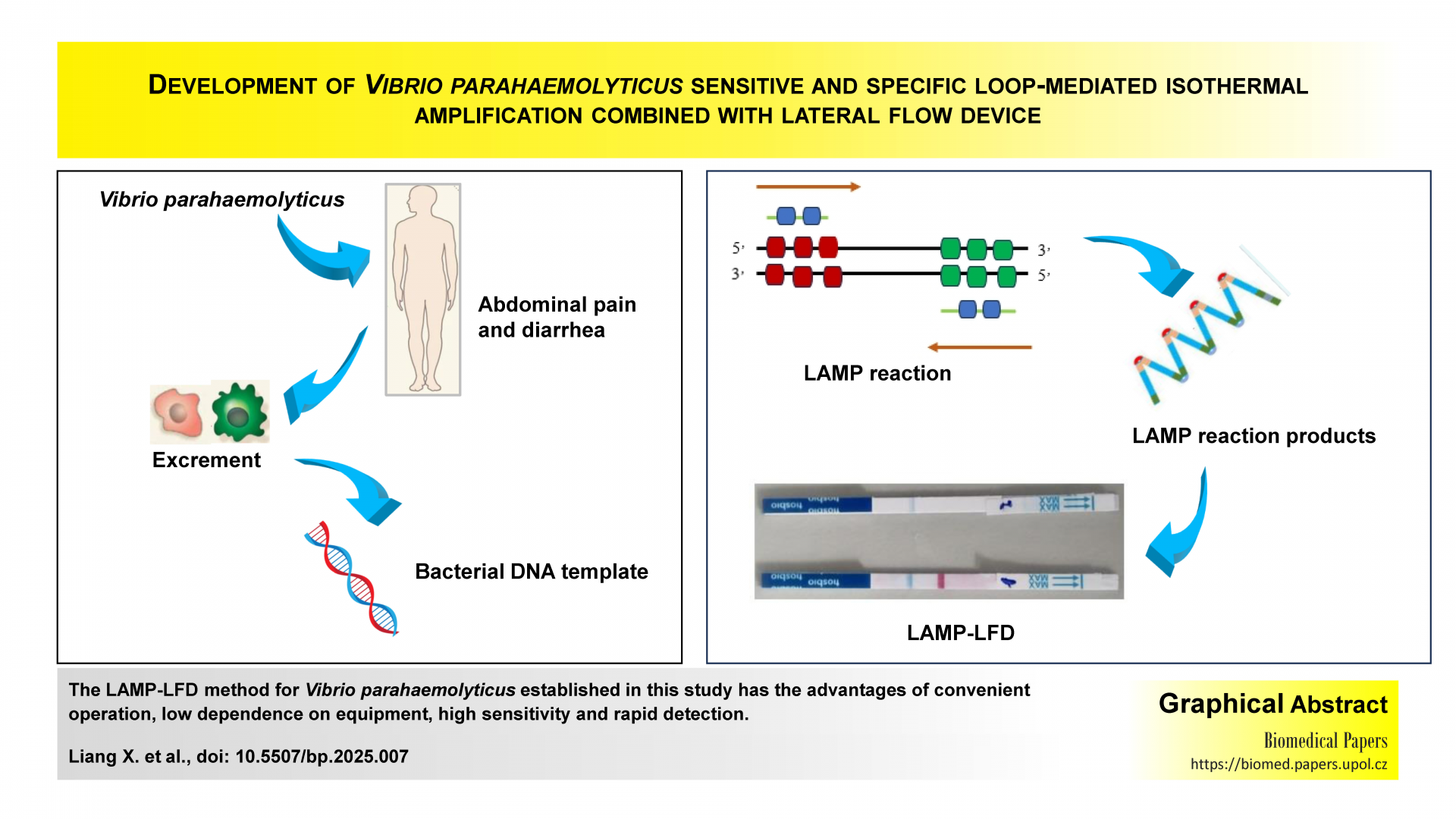
A rapid LAMP-LFD method was developed by combining the loop-mediated isothermal amplification technique and lateral flow device for the detection of Vibrio parahaemolyticus. By improving the specificity and sensitivity of Vibrio parahaemolyticus detection, it provides a rapid and convenient detection method for field and grass-roots units. To provide a new method for the diversity of Vibrio parahaemolyticus detection methods. It has promising applications in the detection of Vibrio parahaemolyticus at the basic level.
A pilot study on the feasibility and initial outcomes of a telerehabilitation system for balance and cognitive training in older adultsOriginal papers
Milada Luisa Sedivcova, Karla Mothejlova, Karel Hana, Jan Kaspar, Aneta Buchtelova
Biomed Pap Med Fac Univ Palacky Olomouc Czech Repub. 2026, 170(1):53-61 | DOI: 10.5507/bp.2025.018
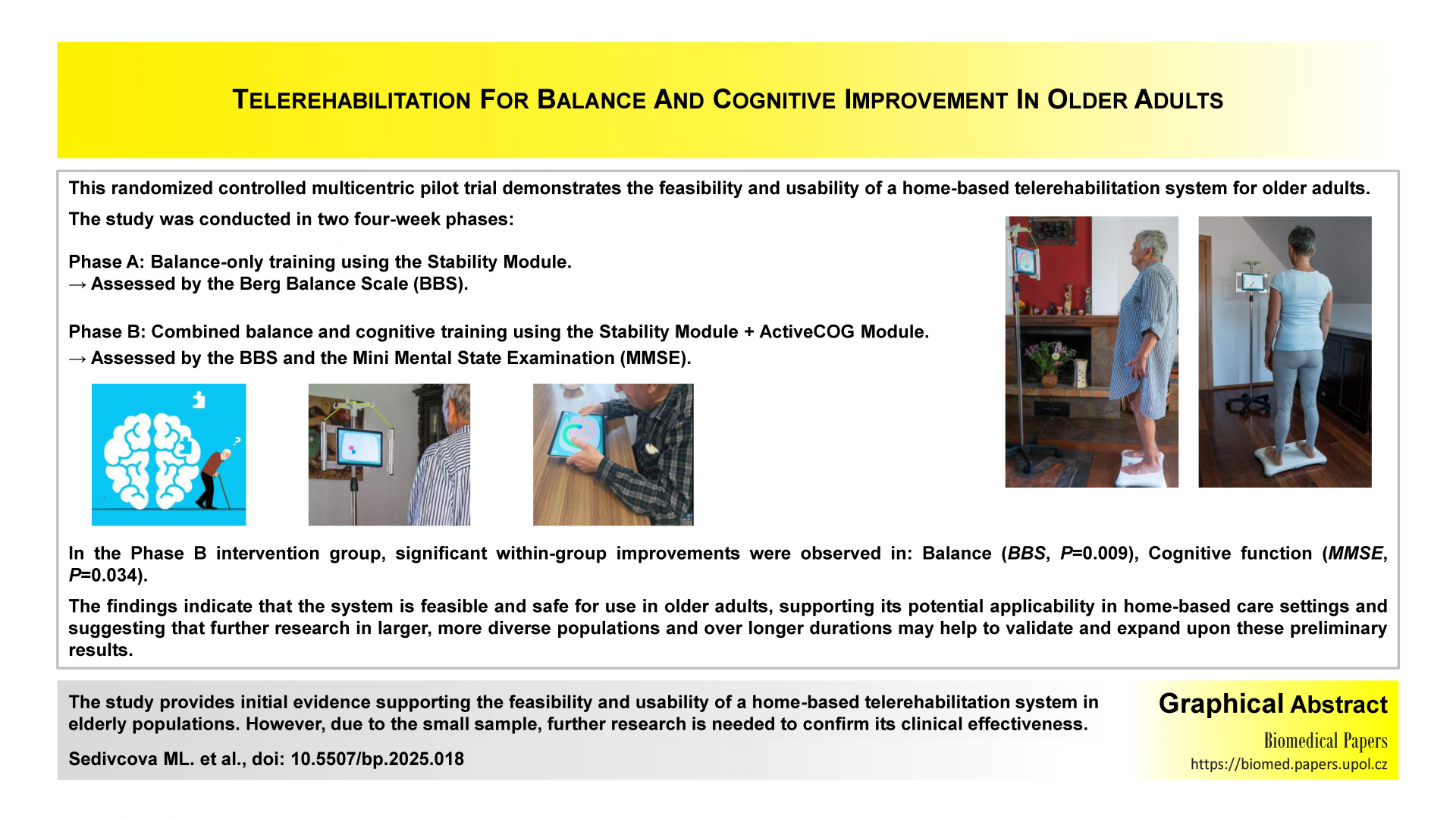
This randomized controlled multicentric pilot study evaluated a home-based telerehabilitation system aimed at improving balance and cognitive function in older adults. The results show it is safe, user-friendly, and effective as traditional therapy, with added benefits from cognitive stimulation.
Cannabidiol-hyaluronic acid combination delivered rectally for attenuating abacterial prostatitis symptoms: Single-arm open-label pilot clinical trialOriginal papers
Vladimir Student Jr., Vaclav Repa, Jana Vrbkova, Jan Vacek
Biomed Pap Med Fac Univ Palacky Olomouc Czech Repub. 2026, 170(1):47-52 | DOI: 10.5507/bp.2026.002
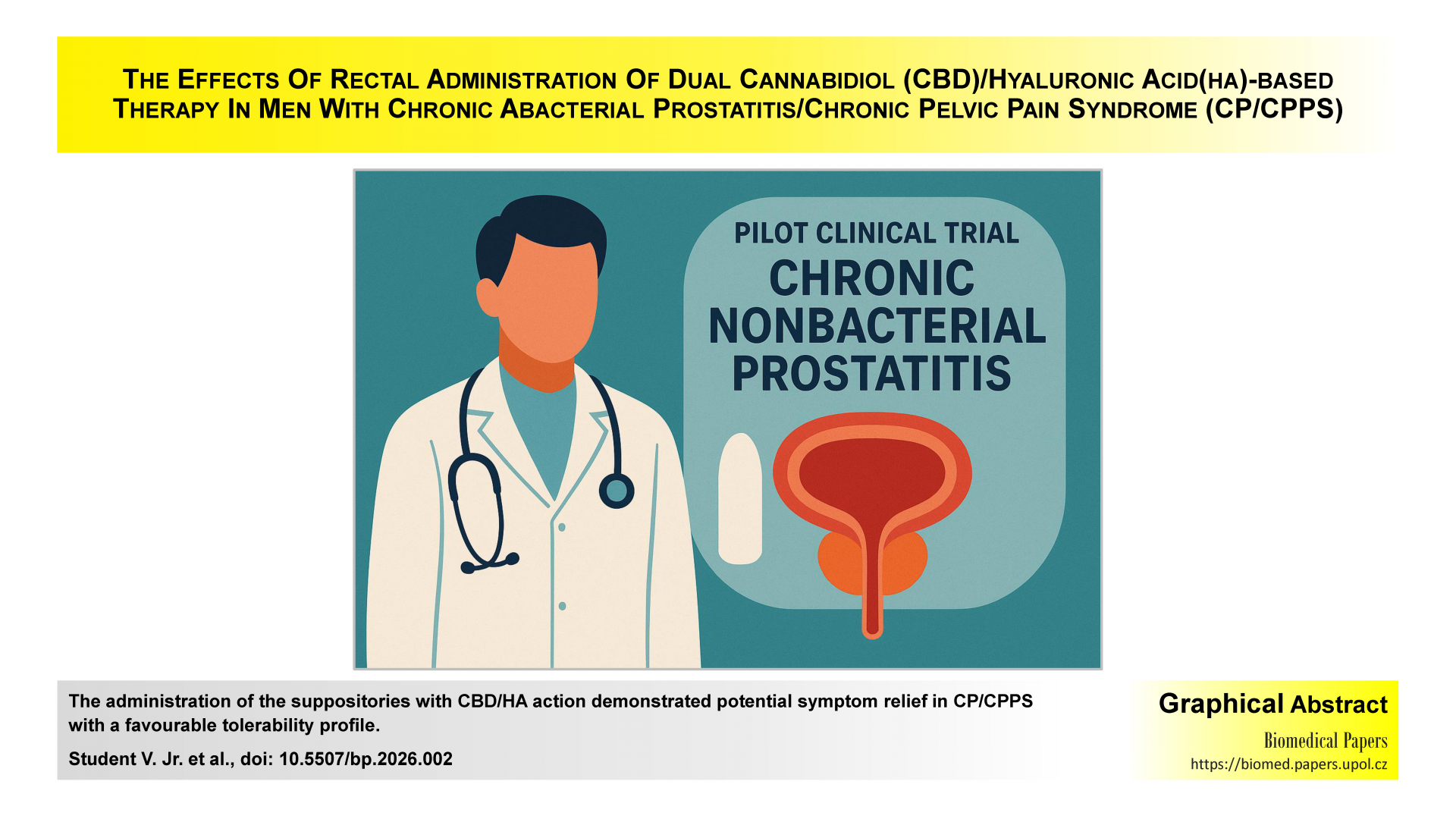
Chronic nonbacterial prostatitis/chronic pelvic pain syndrome (CP/CPPS) is a prevalent urological disorder with a significant impact on quality-of-life. The administration of cannabidiol/hyaluronic acid based suppositories demonstrated potential symptom relief in CP/CPPS with a favourable tolerability profile.
FOXP3, IL-35, and PD-L1 in intra- and peritumoral lymphocytic infiltrate of cutaneous melanomas as an important part of antitumor immunityOriginal papers
Vladimir Zidlik, Pavel Hurnik, Yvetta Vantuchova, Simona Michalcova, Jozef Skarda, Tereza Hulinova, Dana Purova, Jiri Ehrmann
Biomed Pap Med Fac Univ Palacky Olomouc Czech Repub. 2026, 170(1):40-46 | DOI: 10.5507/bp.2024.040
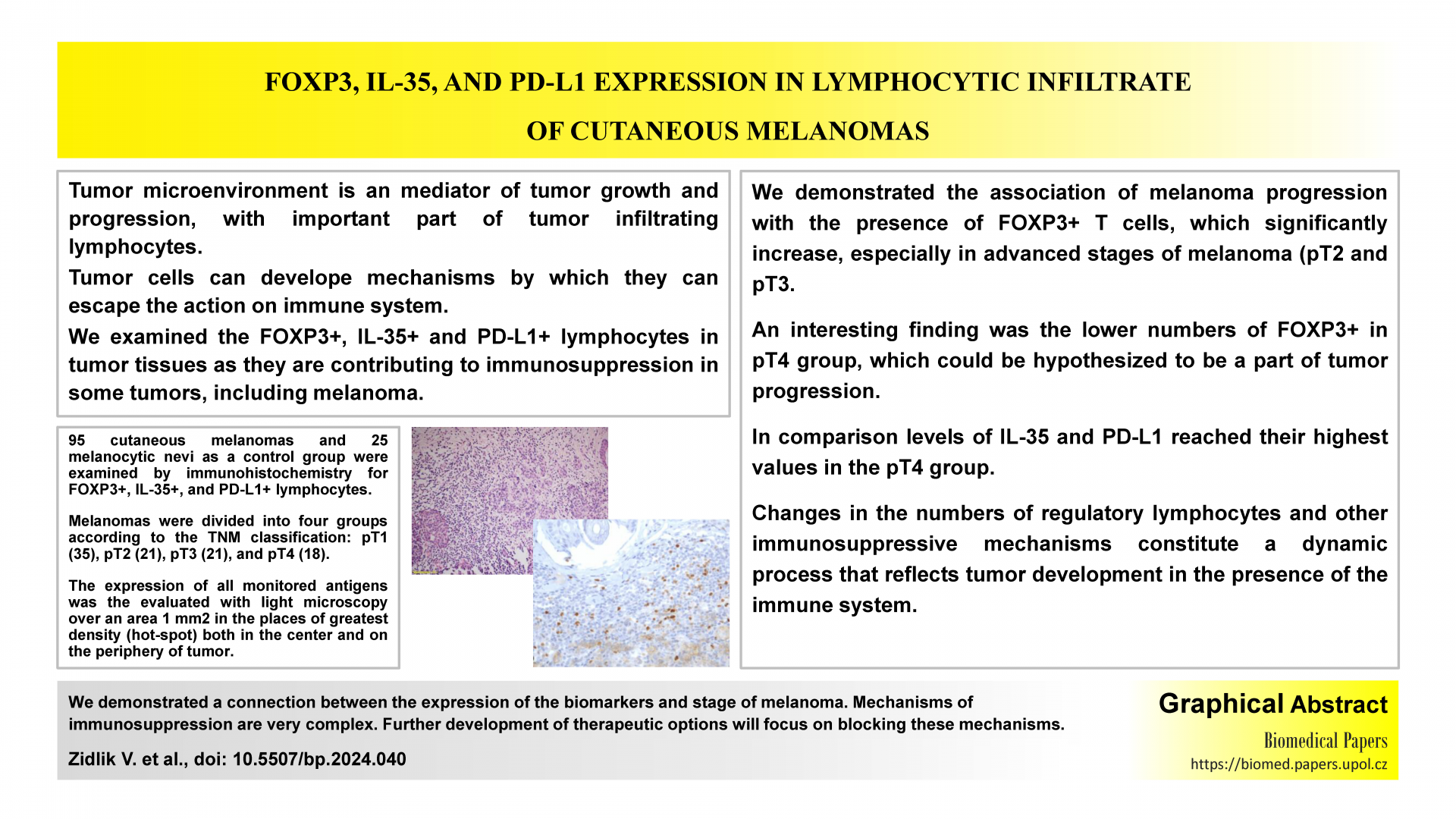
Malignant melanoma is one of the most aggressive tumors especially in its generalized form with metastases as one of the most difficult to treat cancers. Melanoma is considered an immunogenic tumor, and the status of the immune system is intensively studied in melanoma patients. It creates an immunosuppressive environment that helps tumor cells escape the host's immune response. The aim of this study was to characterize the expression of markers of ongoing immune suppression as part of the melanoma tumor microenvironment. These markers include the presence of T regulatory lymphocytes (Tregs) expressing FOXP3 protein, and local expression of the cytokine IL-35 and immune checkpoint receptor PD-L1.
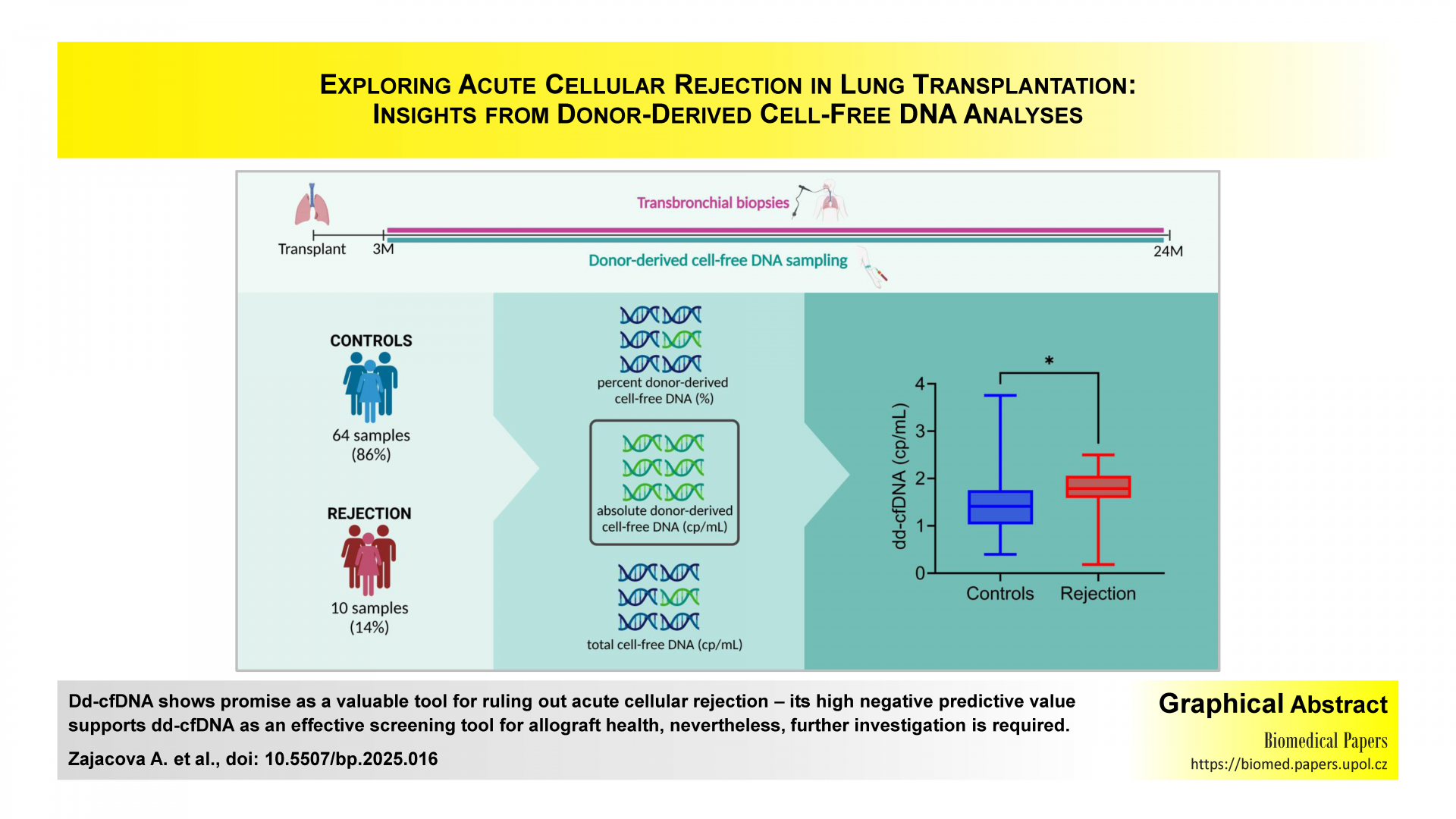
Exploring acute cellular rejection in lung transplantation: insights from donor-derived cell-free DNA analysisOriginal papers
Andrea Zajacova, Majd Alkhouri, Miray Guney, Goncalo Ferrao, David Rezac, Kristyna Vyskocilova, Tereza Kotowski, Alzbeta Dutkova, Eliska Dvorackova, Robert Lischke, Libor Fila, Jan Havlin
Biomed Pap Med Fac Univ Palacky Olomouc Czech Repub. 2026, 170(1):33-39 | DOI: 10.5507/bp.2025.016
Acute cellular rejection (ACR) is a common issue after lung transplantation, but standardized screening remains elusive. This study compared histological transbronchial biopsy assessment with donor-derived cell-free DNA (dd-cfDNA) as a biomarker for detecting ACR. 74 samples obtained from lung transplant recipients were analysed, with ACR cases defined by histological grade and/or treatment necessity (n=10, 14%). Results showed significantly higher dd-cfDNA in ACR cases (61.2 cp/mL vs. 25.8 cp/mL in controls; P=0.04), but dd-cfDNA% and total cfDNA were not significantly different. While dd-cfDNA may help rule out ACR, further research is needed to refine its clinical application.
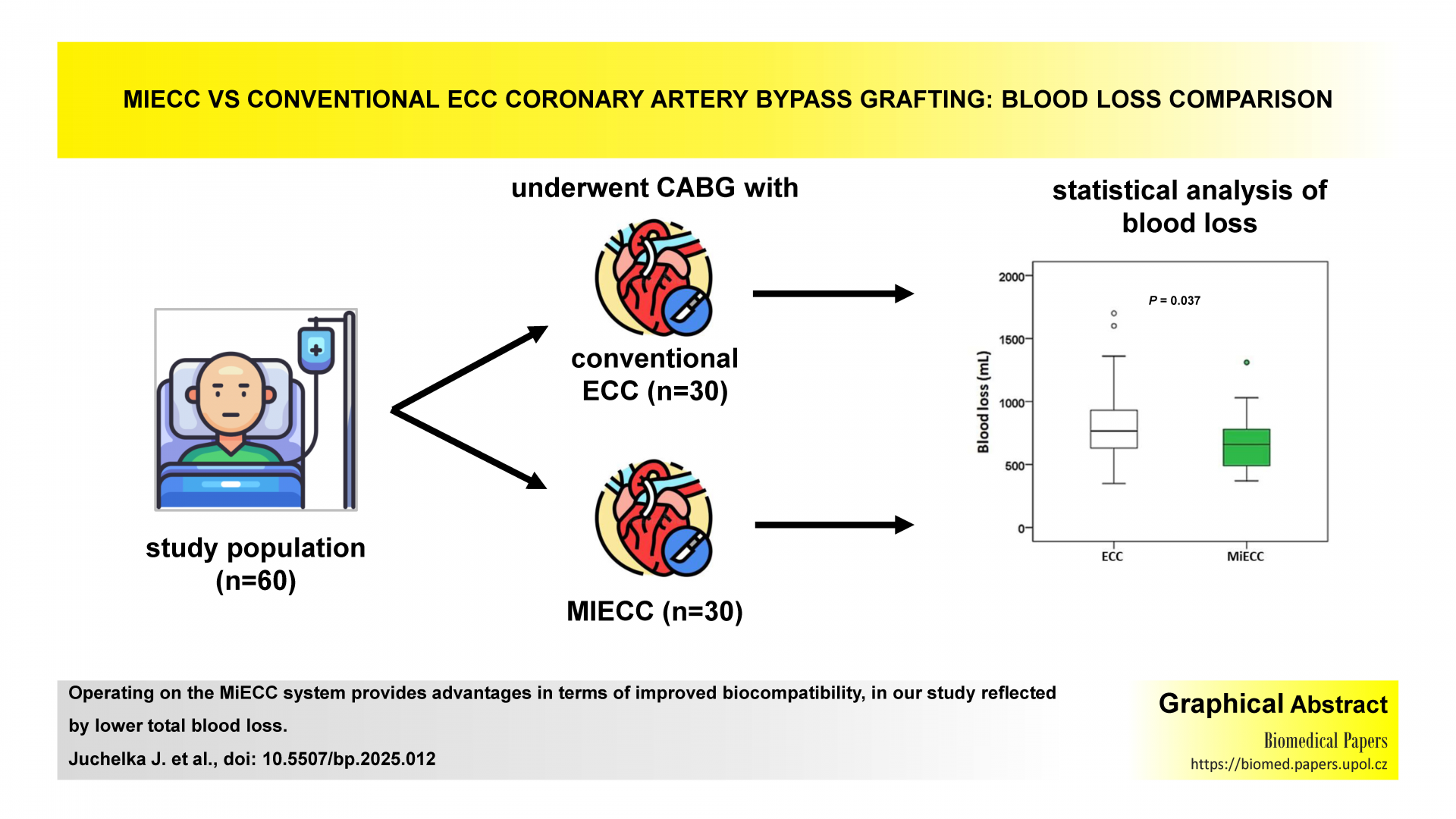
Blood loss in coronary artery bypass grafting on minimally invasive extracorporeal circulation - a single-centre experience and retrospective analysisOriginal papers
Jan Juchelka, Martin Simek, Dominik Sabacky, Marek Vicha, Artur Barshatskyi, Ondrej Zuscich, Martin Troubil, Roman Hajek, Jana Zapletalova, Petr Santavy
Biomed Pap Med Fac Univ Palacky Olomouc Czech Repub. 2026, 170(1):26-32 | DOI: 10.5507/bp.2025.012
The article describes a single centre experience using the minimally invasive extracorporeal (MiECC) circulation that was modified by incorporation of coronary suction into the circuit, while maintaining the core principles of closed circuit perfusion. A detailed description of the construction of the circuit is provided. Perfusion management and the specific demands placed on the surgeon are explained in the article. The results of the retrospective analysis of clinical outcomes after utilization of this circuit in comparison to the conventional extracorporeal circulation are presented and discussed. The study focused mainly on major adverse events and blood loss comparison. The results demonstrate lower post-operative blood loss in patients operated on the MiECC circuit.
Impact of prior oral anticoagulation on admission stroke severity in patients with atrial fibrillationOriginal papers
David Franc, Daniel Sanak, Michal Kral, Martin Hutyra, Milos Taborsky, Petra Divisova, Jana Zapletalova
Biomed Pap Med Fac Univ Palacky Olomouc Czech Repub. 2026, 170(1):20-25 | DOI: 10.5507/bp.2024.024
The authors conducted a large retrospective analysis of 1059 patients with ischemic stroke (IS) admitted at their stroke centre between 2012 and 2021 and who had been enrolled in the prospective HISTORY (Heart and Ischemic STrOke Relationship studY) study registered on ClinicalTrials.gov (identifier NCT01541163). One major aim was to assess the trend in occurrence of atrial fibrillation (AF) and use of oral anticoagulants (OAC) in ischemic stroke patients during the last decade and to evaluate whether prior use of OAC had any impact on stroke severity in AF patients. n total, 1059 patients were analyzed. No significant increase in AF occurrence was found in IS patients between the years, but patients with known AF were substantially more frequently treated with OAC and DOAC in 2021. Patients on OAC had lower admission NIHSS scores than those without OAC in 2021.
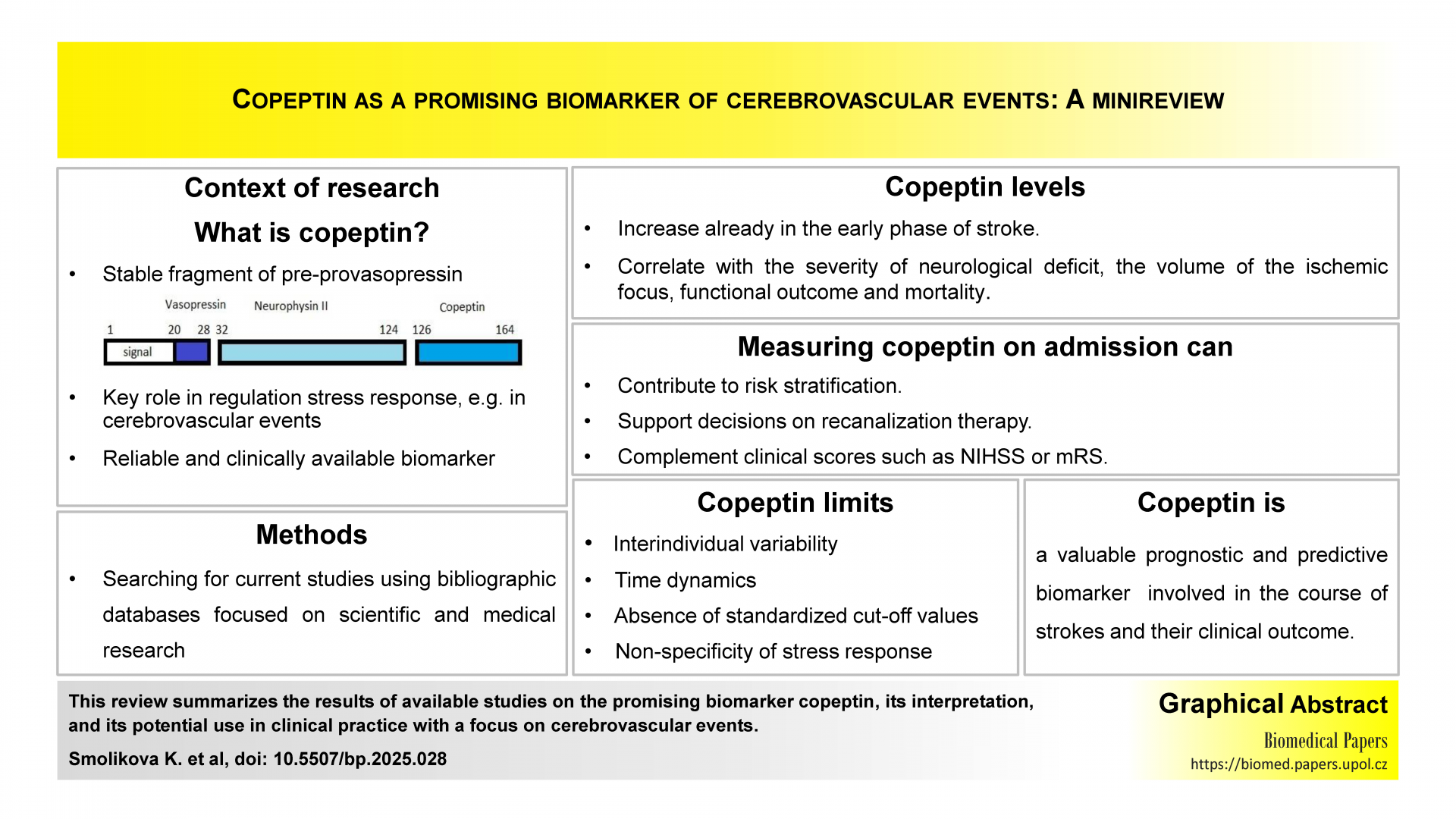
Copeptin as a promising biomarker of cerebrovascular events: A minireviewReviews
Kamila Smolikova, Pavel Potuznik, Marek Peterka, Jakub Vejskal, Martina Pestova
Biomed Pap Med Fac Univ Palacky Olomouc Czech Repub. 2026, 170(1):15-19 | DOI: 10.5507/bp.2025.028
Given the constant need to improve primary prevention and prediction of stroke, the aim of this mini review was to introduce the glycopeptide copeptin, which, according to available studies, shows significant potential in the diagnosis and prognosis of various diseases, including cerebrovascular events. In this regard, copeptin could become a valuable biomarker in clinical practice. It could be used as one of the prognostic and predictive biomarkers in the course of cerebrovascular events, their clinical outcome, and predicting their recurrence. This mini review includes a brief overview of the physiology of copeptin, its role in emergency care for selected cerebrovascular events with a focus on ischemic strokes, and its influence through vascular risk factors.
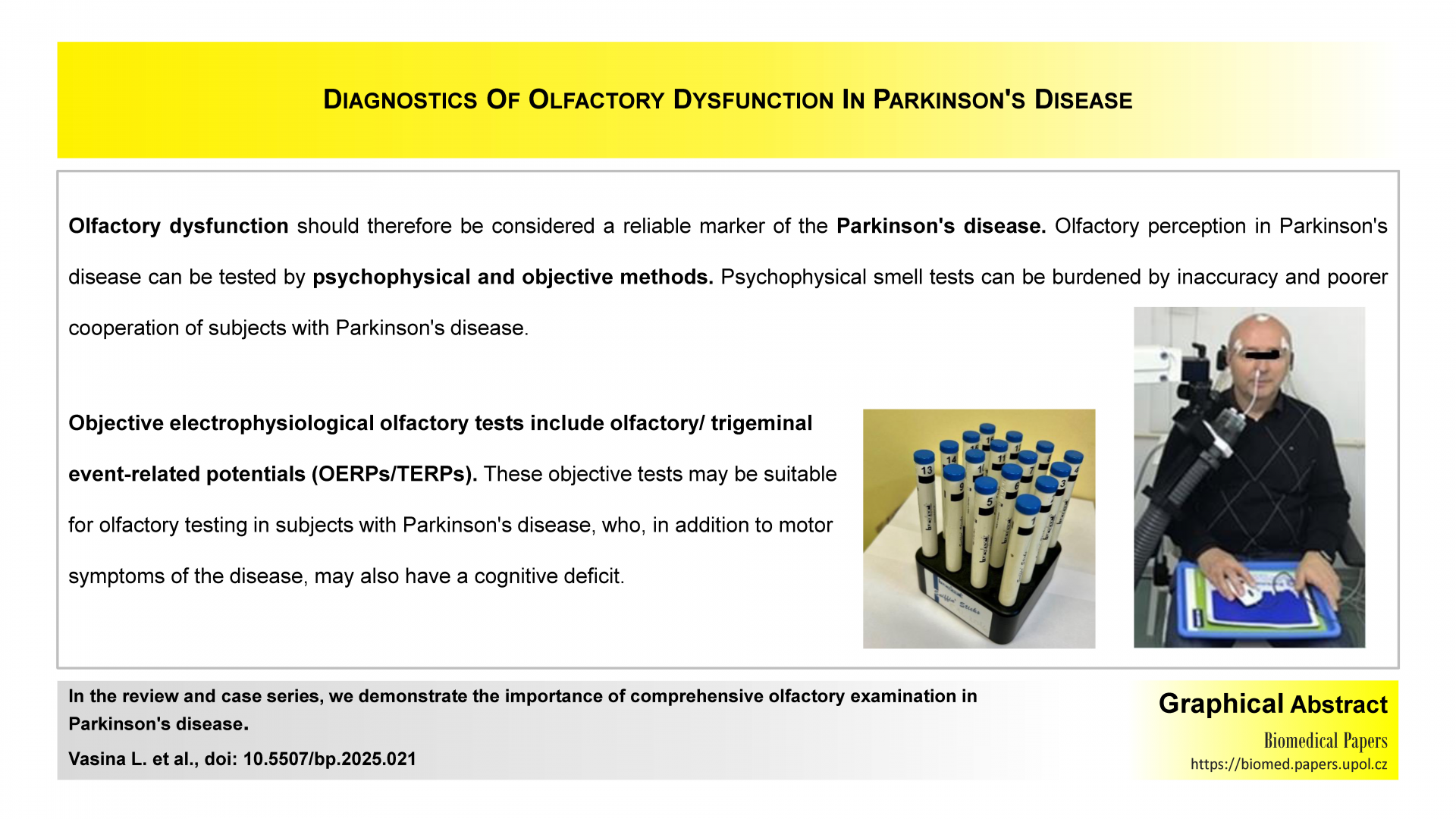
Diagnostics of olfactory dysfunction in Parkinson's disease - a literature overview and case seriesReviews
Libor Vasina, Nikola Pastorkova, Oleksii Vorobiov, Karla Janouskova, Petra Dytrych, Jiri Hlozek, Sarka Musilova, Jaromir Astl, Richard Holy
Biomed Pap Med Fac Univ Palacky Olomouc Czech Repub. 2026, 170(1):8-14 | DOI: 10.5507/bp.2025.021
This is an overview and case series on smell testing in Parkinson's disease as olfactory dysfunction is viewed as an early indicator of this disease. The authors tested olfaction both subjectively and objectively: psychophysical tests are commonly used but these tests may be inaccurate and difficult in patients with Parkinson's disease with cognitive deficits in addition to motor symptoms. Objective electrophysiological olfactory tests are important. These are the olfactory/trigeminal event-related potentials (OERPs/TERPs). In this overview, the authors also describe a series of cases that demonstrate the importance of complex smell tests.
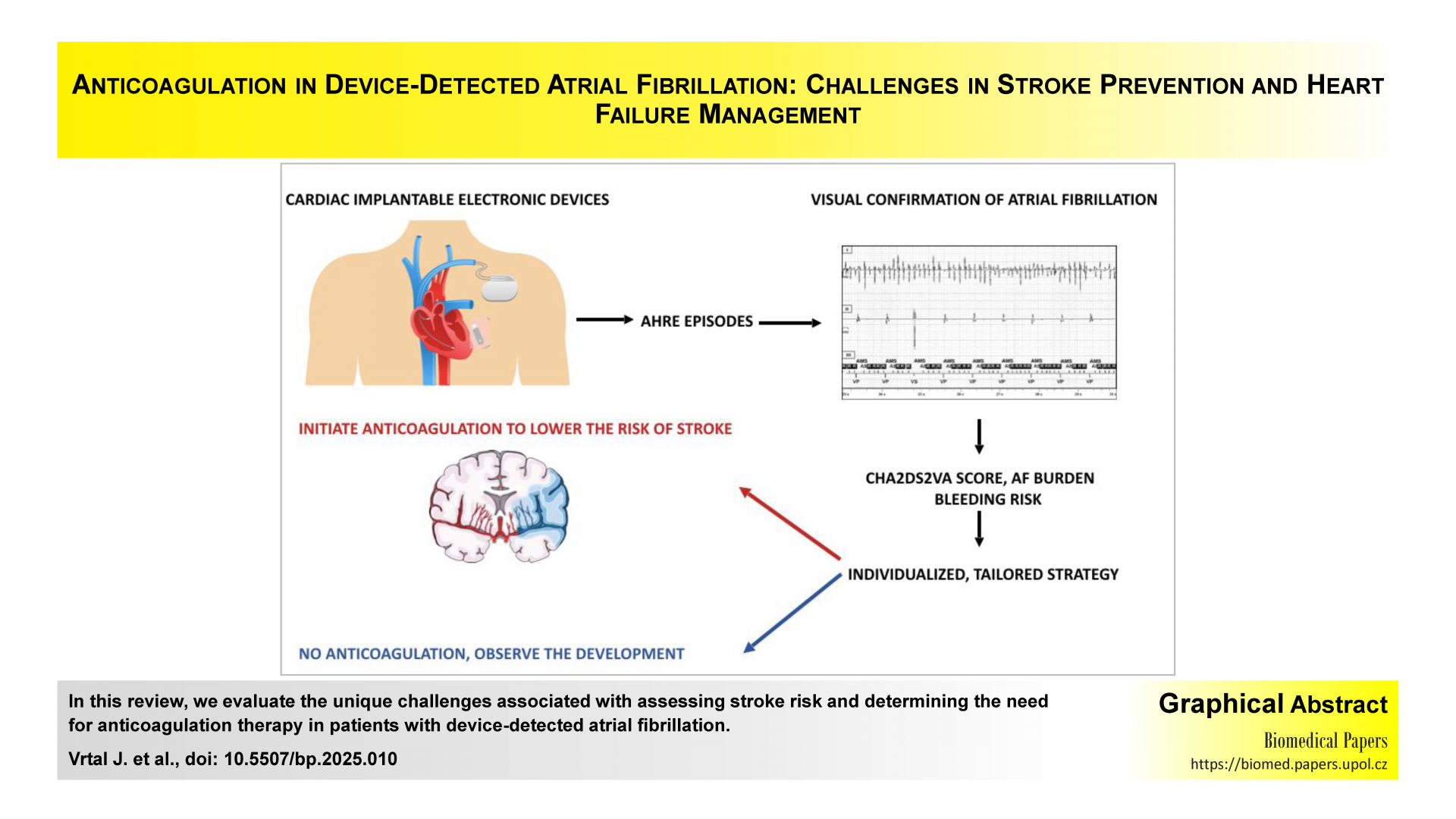
Anticoagulation in device-detected atrial fibrillation: Challenges in stroke prevention and heart failure managementReviews
Jiri Vrtal, Jiri Plasek, Jan Vaclavik, Jozef Dodulik, David Sipula
Biomed Pap Med Fac Univ Palacky Olomouc Czech Repub. 2026, 170(1):1-7 | DOI: 10.5507/bp.2025.010
In this review, the authors comprehensively evaluate the unique challenges associated with assessing stroke risk and determining the need for anticoagulation therapy in patients with device-detected atrial fibrillation. This condition poses diagnostic and therapeutic dilemmas, given its often subclinical nature and variability in atrial fibrillation burden. The analysis places particular emphasis on findings from recently published clinical trials, which provide valuable insights into the management strategies for this patient population. Additionally, the authors explore the emerging evidence on the interplay between device-detected atrial fibrillation and heart failure.