


Biomedical papers, 2026 (vol. 170), issue 3
Reviews
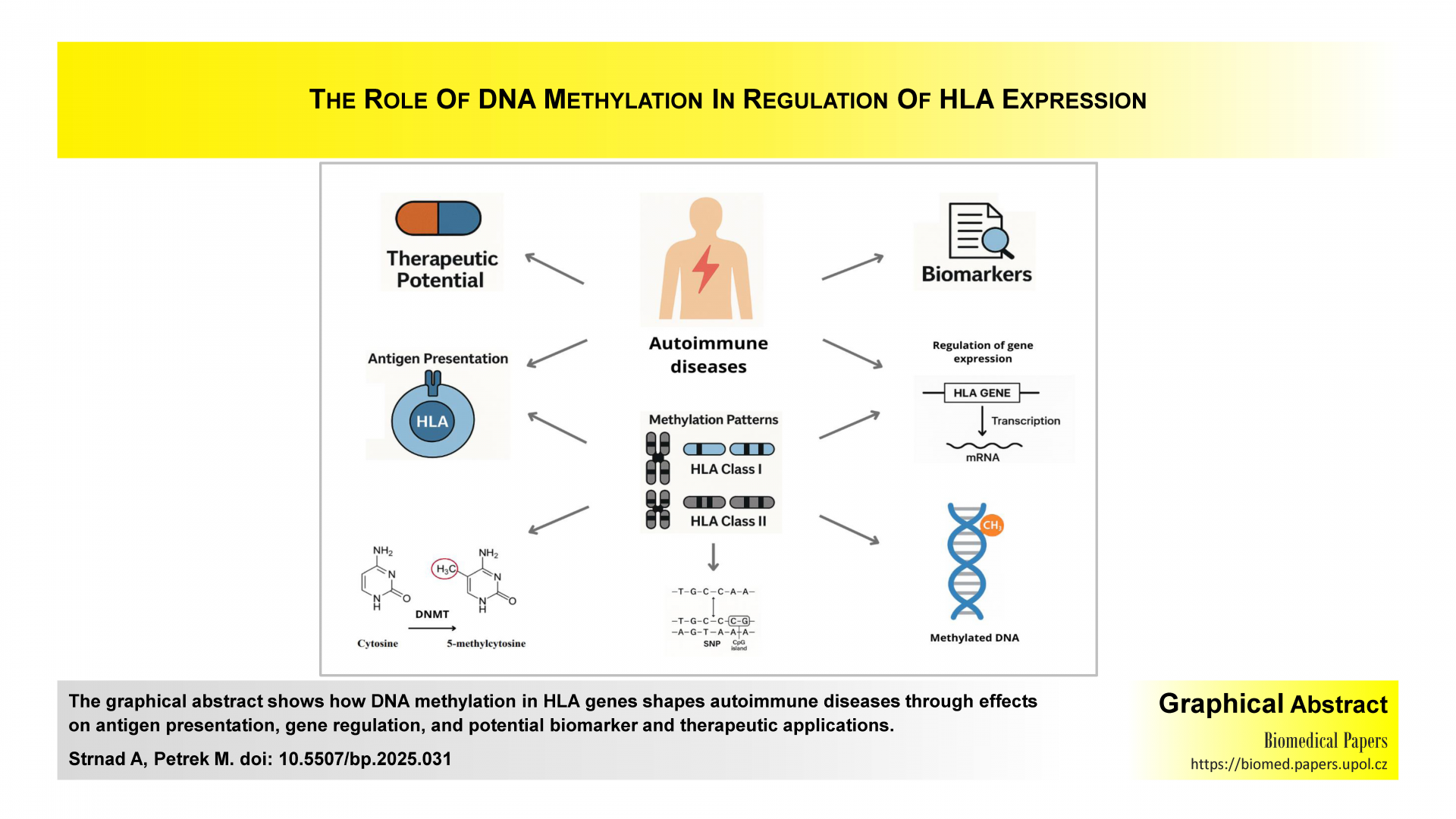
The role of DNA methylation in the regulation of HLA expression
Adam Strnad, Martin Petrek
Biomed Pap Med Fac Univ Palacky Olomouc Czech Repub. 2026, 170(3):169-179 | DOI: 10.5507/bp.2025.031 
This review provides a thorough overview of how allele-specific DNA methylation influences immune responses by regulating gene expression within the immune system's primary regulatory complex. It emphasises the role of specific CpG-SNP interactions and epigenetic alterations in modulating susceptibility to autoimmune diseases. By linking molecular mechanisms to clinical relevance, the manuscript provides new insights into the epigenetic regulation of antigen presentation and immune tolerance. It also explores potential opportunities for discovering biomarkers and developing targeted therapeutic strategies.
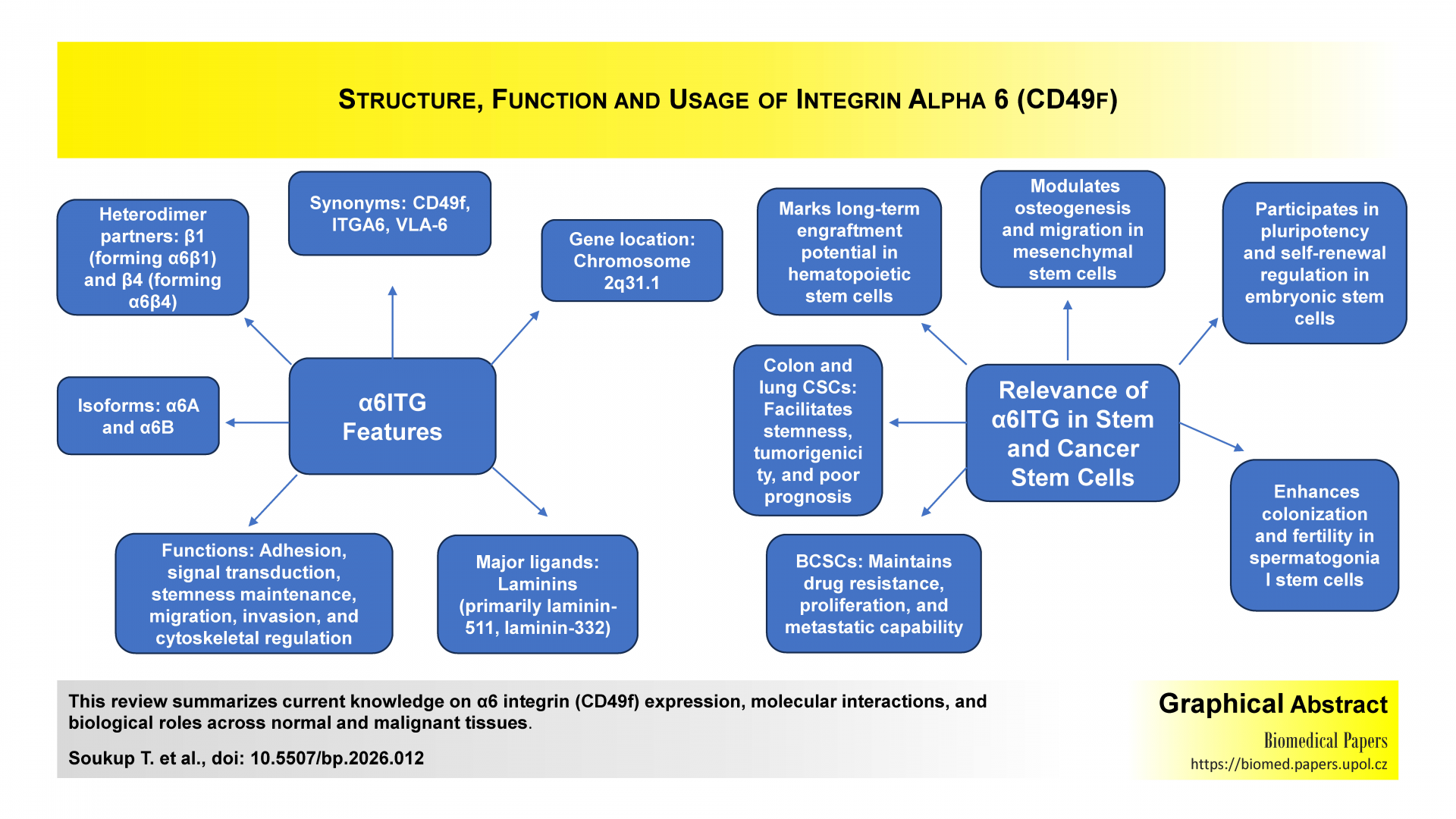
Structure, function and usage of integrin alpha 6 (CD49f): A comprehensive review
Tomas Soukup, Martin Kapitan, Nela Jouklova, Jan Schmidt, Vincent Gianquintieri, Kenzy H Ismail, Wail Abou Assaf
Biomed Pap Med Fac Univ Palacky Olomouc Czech Repub. 2026, 170(3):180-189 | DOI: 10.5507/bp.2026.012
Integrin α6 (CD49f, ITGA6) is a laminin-binding adhesion receptor with essential roles in stem cell biology and cancer progression. This review synthesizes current knowledge on α6ITG isoforms, ligand interactions, downstream signaling pathways, and its context-dependent expression in both healthy and pathological tissues. Special attention is given to its expression in cancer stem cells and its potential as a prognostic or therapeutic target.

Mini review on the laboratory diagnosis of amyloidosis: An overview of methods, applications, and trends in analytical approaches
Ivana Olivkova, Pavel Sistik, Katerina Kratka, Pavlina Kusnierova, Zdenek Svagera, Jan Jurica, Petr Handlos, Klara Handlosova, David Stejskal
Biomed Pap Med Fac Univ Palacky Olomouc Czech Repub. 2026, 170(3):190-204 | DOI: 10.5507/bp.2025.036
This review summarizes key analytical strategies for detecting misfolded fibrillar deposits using three complementary approaches: tissue-based staining and immunolabeling, separation techniques, and proteomics. Mass spectrometry stands out for its precision in subtype identification. Together, these methods form a structured diagnostic framework that enables earlier recognition, supports individualized treatment, and improves outcomes in complex protein deposition disorders.
Original papers
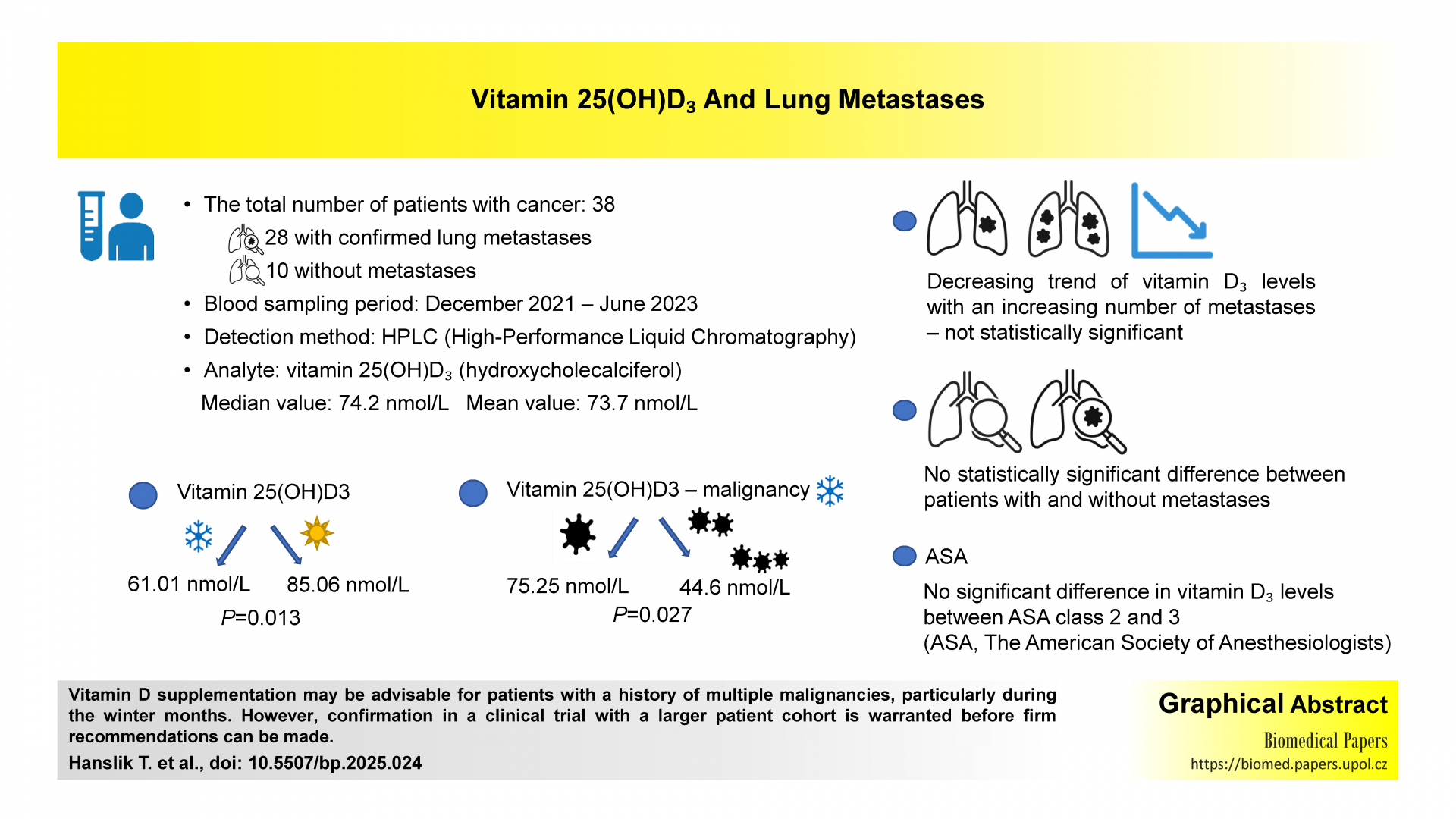
Serum vitamin D levels in patients with lung metastases
Tomas Hanslik, Thomas Klikovits, Vladimir Soska, Iveta Denemarkova, Adam Pestal, Zdenek Chovanec, Vadim Prudius, Ivan Capov, Vladimir Cervenak, Ondrej Bilek, Tetiana Shatokhina, Jan Resler, Lenka Veverkova, Igor Penka, Michal Benej
Biomed Pap Med Fac Univ Palacky Olomouc Czech Repub. 2026, 170(3):205-215 | DOI: 10.5507/bp.2025.024
This study investigates the relevance of serum vitamin D3 levels in patients with a history of malignancy, with particular focus on those with confirmed lung metastases. Among 38 patients, seasonal variations showed significantly higher vitamin D3 levels in summer. No significant difference in vitamin D3 levels was found between patients with or without lung metastases. However, in winter, patients with a history of multiple malignancies had notably lower vitamin D3 levels than those with a single malignancy. These findings suggest that vitamin D supplementation, particularly in winter, may be beneficial for certain subgroups, warranting further investigation in larger cohorts.
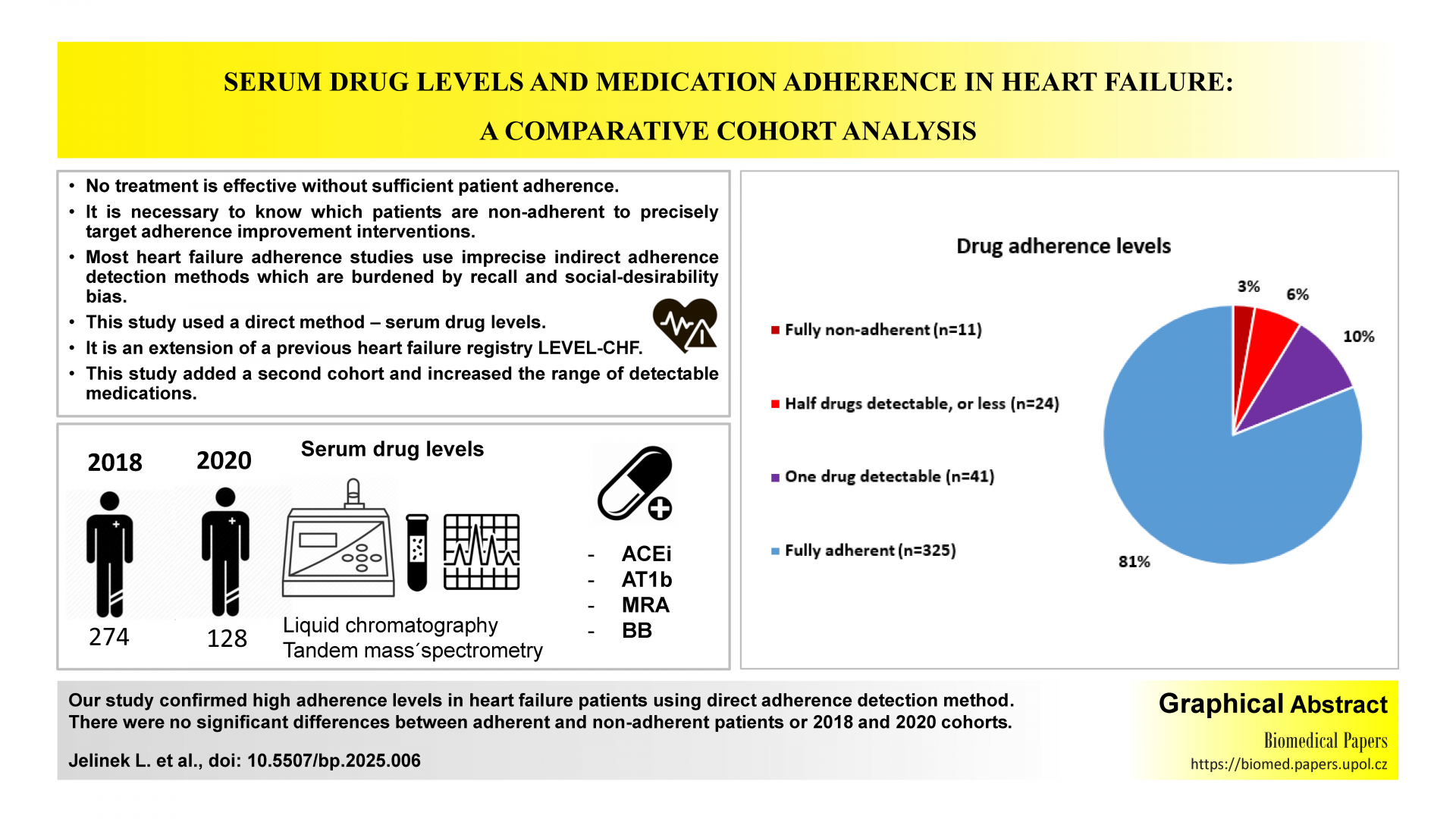
Serum drug levels and medication adherence in heart failure: A comparative cohort analysis
Libor Jelinek, Martin Modrak, Jan Vaclavik, Zdenek Ramik, Lukas Stos, Marie Lazarova, Radek Adamek, Hana Janeckova, Jana Spurna
Biomed Pap Med Fac Univ Palacky Olomouc Czech Repub. 2026, 170(3):216-228 | DOI: 10.5507/bp.2025.006
Medication adherence is essential for effective heart failure management, yet non-adherence remains a significant concern. This study, part of the LEVEL-CHF Extended Registry, analysed adherence using serum drug level testing in cohorts from 2018 and 2020. While most patients adhered to treatment, adherence declined in 2020. Despite this, clinical differences between adherent and non-adherent patients were minimal. The study underscores the importance of direct adherence measurement and suggests that serum drug level testing could enhance heart failure treatment strategies, guiding personalized interventions.
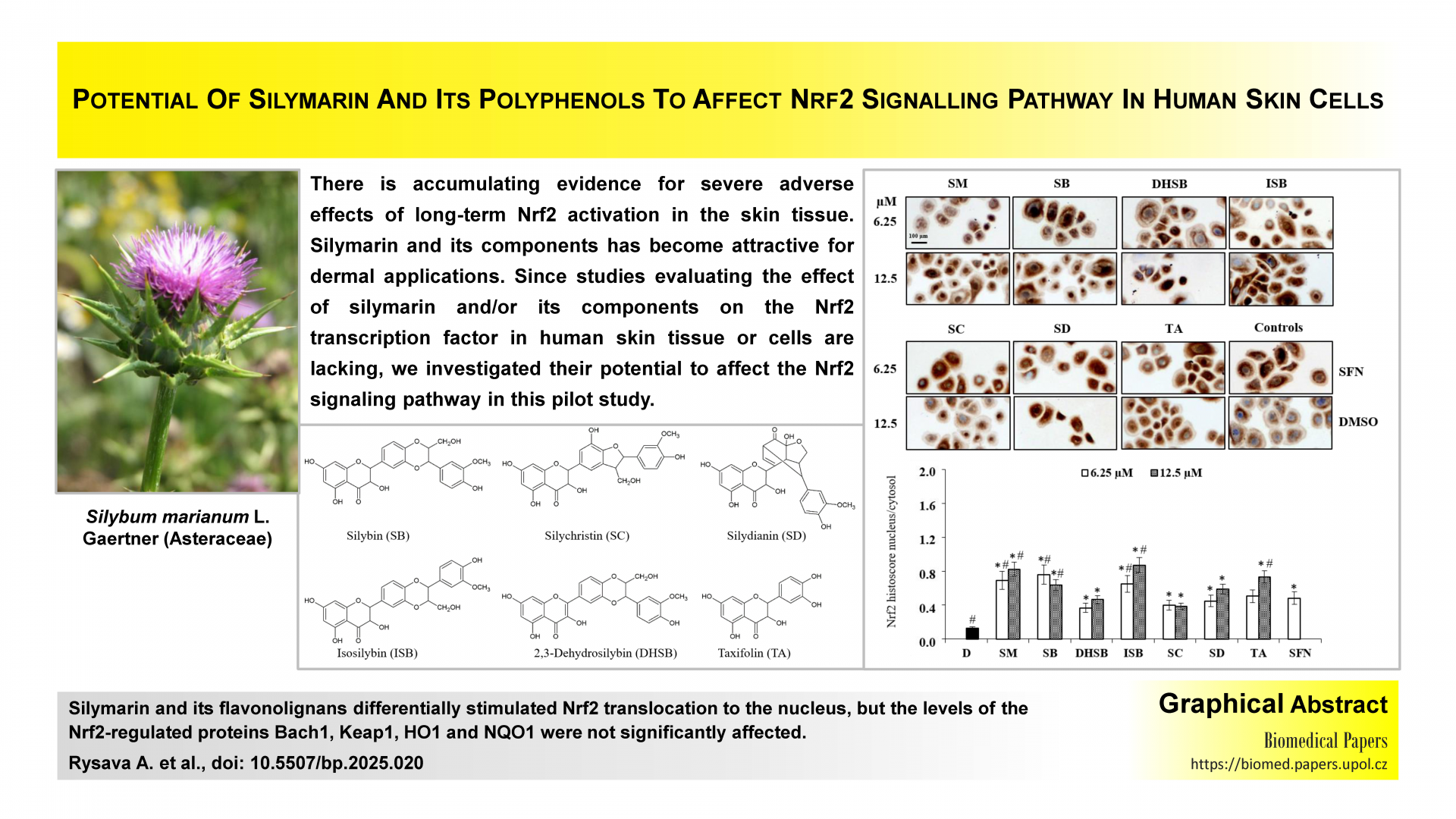
Potential of silymarin and its polyphenols to affect Nrf2 signalling pathway in human skin cells
Alena Rysava, Katerina Valentova, Katerina Cizkova, Jitka Vostalova, Bohumil Zalesak, Alena Rajnochova Svobodova
Biomed Pap Med Fac Univ Palacky Olomouc Czech Repub. 2026, 170(3):229-238 | DOI: 10.5507/bp.2025.020
Silymarin, a well-known hepatoprotective agent, has become the focus of dermal application. Minimal knowledge exists about its effect on transcriptional nuclear factor erythroid 2-related factor 2 (Nrf2). However, evidence for severe adverse effects of prolonged Nrf2 activation in skin is accumulating, predominantly keratinocyte hyperproliferation and impaired skin barrier function. This study showed no significant effect of silymarin or its components on the studied Nrf2 regulating proteins or Nrf2-driven genes.
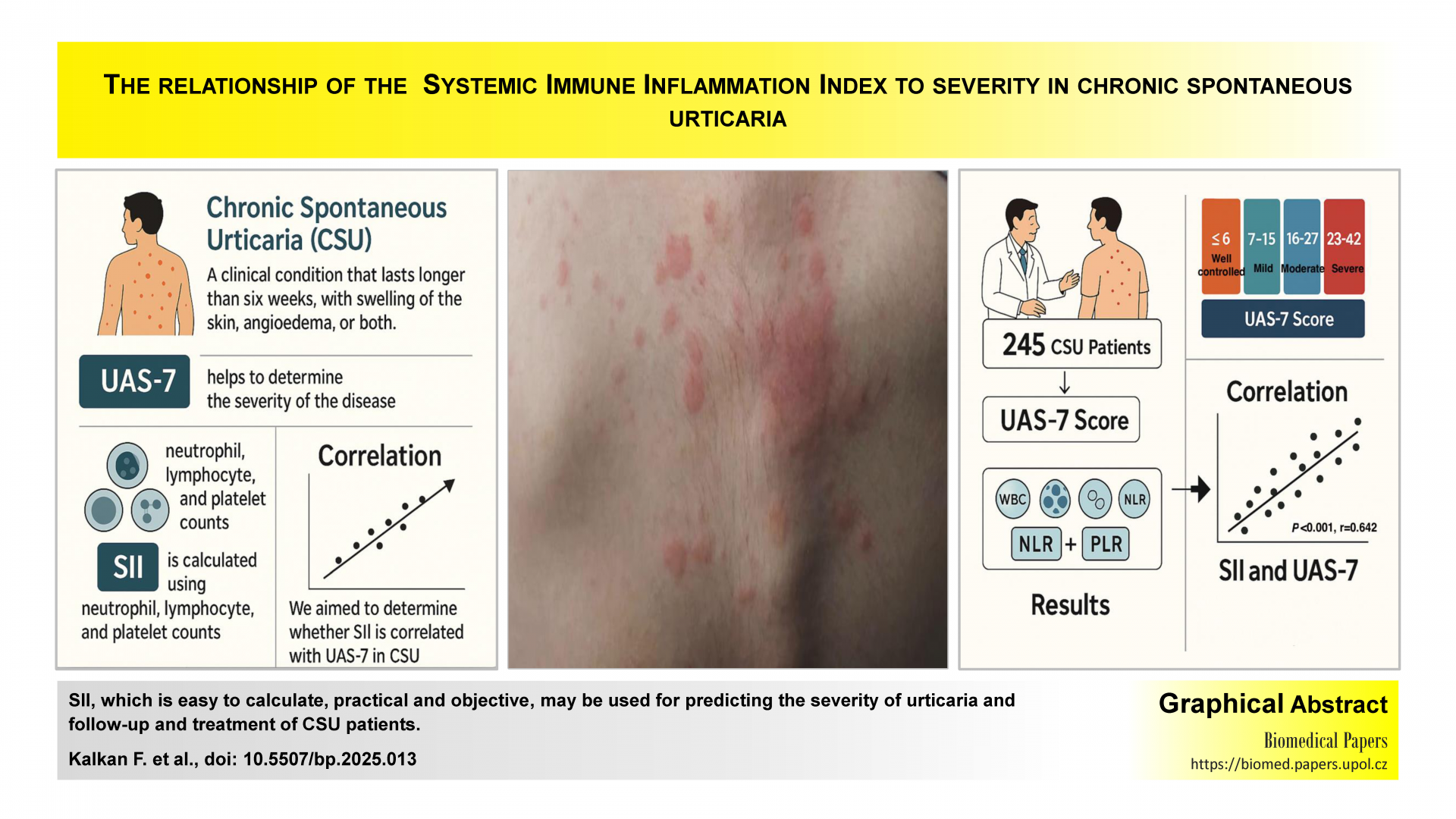
The relationship of the systemic immune inflammation index to severity in chronic spontaneous urticaria
Fikriye Kalkan, Sait Yesillik, Fevzi Demirel, Ezgi Sonmez, Yasemin Akgul Balaban, Mustafa Ilker Inan, Ozgur Kartal
Biomed Pap Med Fac Univ Palacky Olomouc Czech Repub. 2026, 170(3):239-244 | DOI: 10.5507/bp.2025.013
This article is an investigation of the association between the severity of chronic spontaneous urticaria (CSU) evaluated using the Urticaria Activity Score-7 (UAS-7) and its relation to the systemic immune inflammation index (SII). The SII, a simply available and objective inflammatory marker has a good correlation with UAS-7, and may be used as an addition to the UAS-7 in the treatment CSU. The SII may be a useful tool in the evaluation and management of CSU.
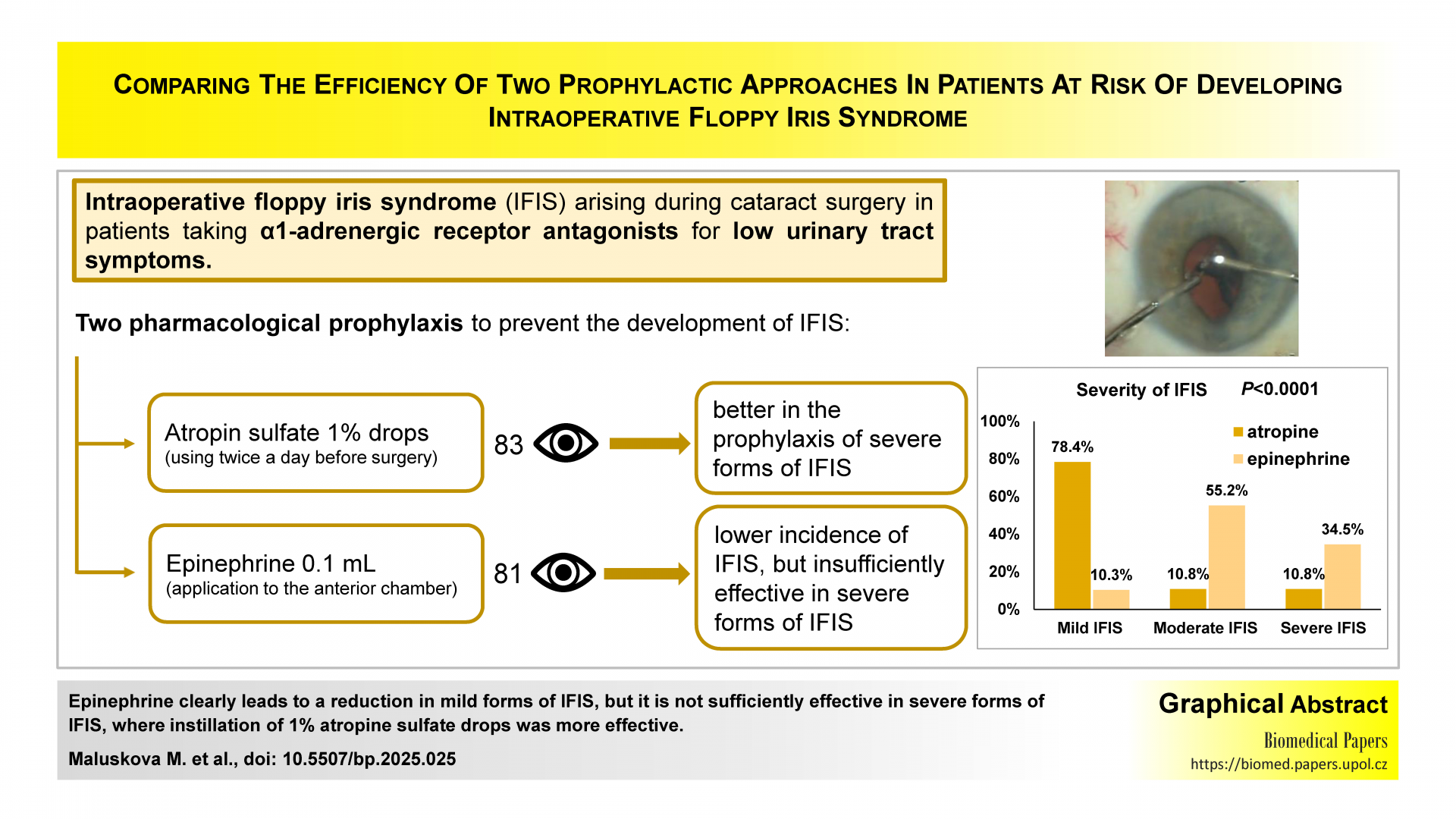
Comparing the efficiency of two prophylactic approaches in patients at risk of developing Intraoperative Floppy Iris Syndrome
Miroslava Maluskova, Klara Maresova, Zuzana Schreiberova, Barbora Paskova, Marta Karhanova
Biomed Pap Med Fac Univ Palacky Olomouc Czech Repub. 2026, 170(3):245-251 | DOI: 10.5507/bp.2025.025
Intraoperative Floppy Iris Syndrome (IFIS) is a condition that can potentially lead to serious complications during cataract surgery that threaten the patient's final vision. There are a number of guidelines for operative technique modifications with the aim of preventing the development of IFIS. This study focuses on two options for prophylactic strategies: the application of atropine drops and the instillation of intracameral epinephrine. Epinephrine clearly leads to a reduced number of mild forms of IFIS, however it is not sufficiently effective in severe forms of IFIS, where atropine was more effective. The authors confirm that IFIS is difficult to predict and that there is still no clear recommendation that would prevent the development of IFIS in all high-risk patients.
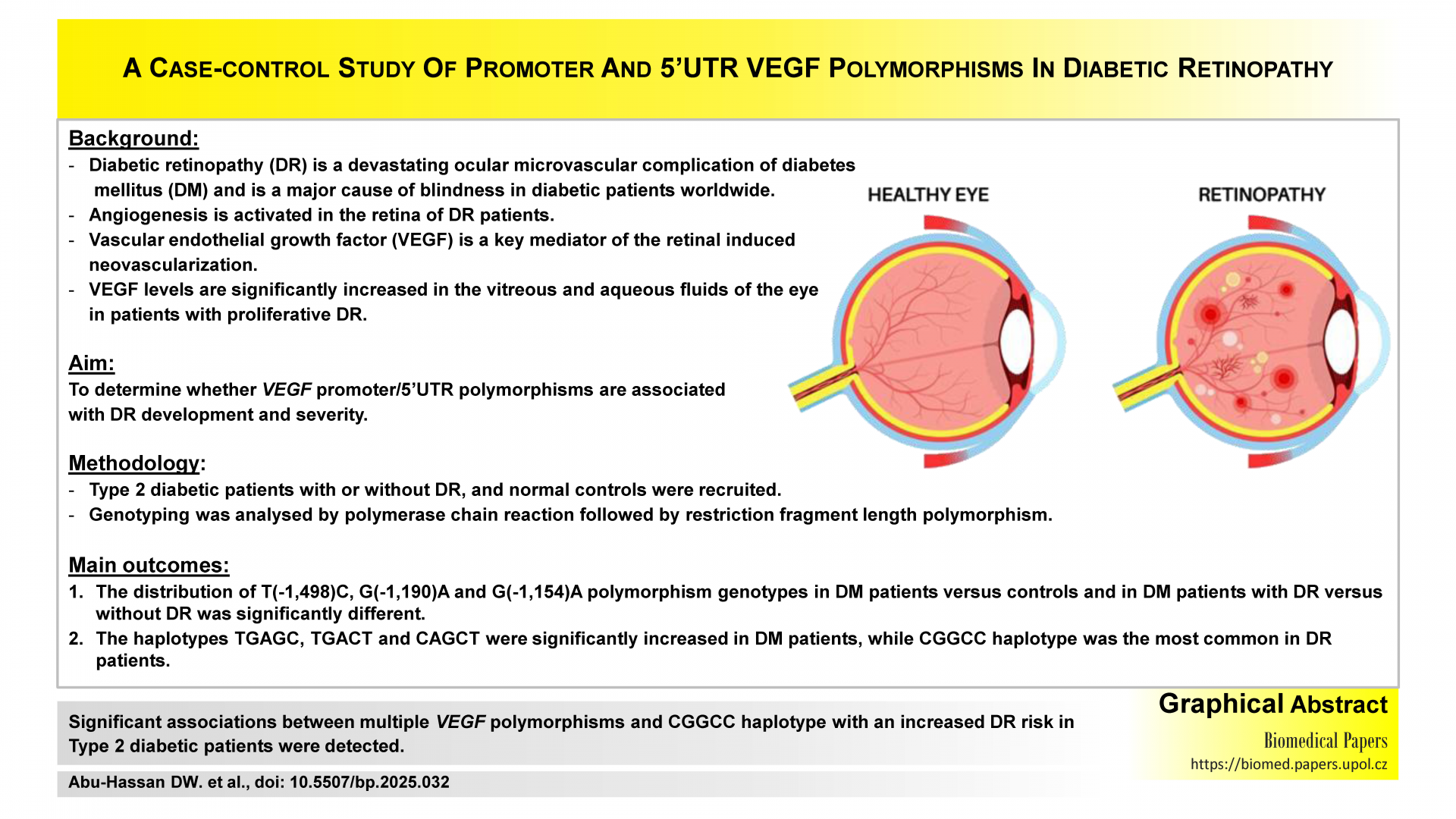
A case-control study of promoter and 5'UTR VEGF polymorphisms in diabetic retinopathy
Diala Walid Abu-Hassan, Muawyah D Al-Bdour, Huda Tahir, Mona Freihat, Ibraheem Saleh, Mohammed El-Khateeb, Mary J Kelley
Biomed Pap Med Fac Univ Palacky Olomouc Czech Repub. 2026, 170(3):252-264 | DOI: 10.5507/bp.2025.032
As a complication of diabetes, retinopathy is a major cause of blindness in diabetic patients worldwide. Vascular endothelial growth factor (VEGF) plays a key role in mediating angiogenesis in the retina, which is characteristic of diabetic retinopathy (DR). A potential significant role of VEGF in the development of DR is highly anticipated, and hence we investigated multiple polymorphisms in the promoter and 3'-untranslated regions. The distribution of these polymorphisms was significantly different in diabetic patients versus controls, and in diabetic patients with DR versus without DR. Multiple haplotypes were significantly increased in diabetes mellitus (DM) patients, while some were more common in DR patients. These results emphasize the potential effect of VEGF on DR risk. More mechanistic studies should follow to investigate this role.
Case report
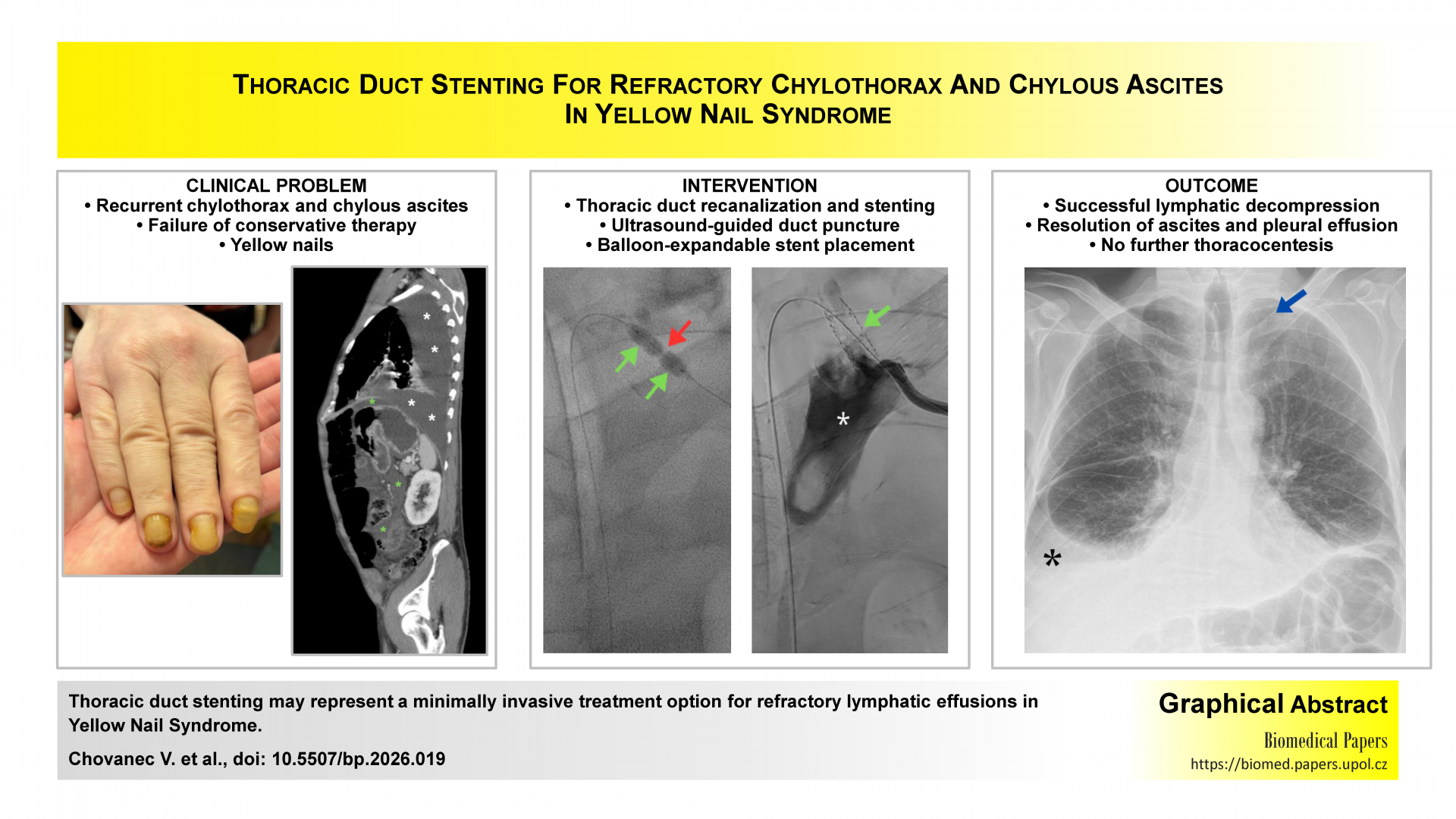
Thoracic duct stenting as a treatment for chylothorax and chylous ascites in patient with Yellow Nail Syndrome
Vendelin Chovanec, Pavol Viglas, Jan Raupach, Filip Cihlar, Ivo Hanke, Pavel Ryska
Biomed Pap Med Fac Univ Palacky Olomouc Czech Repub. 2026, 170(3):265-273 | DOI: 10.5507/bp.2026.019
Yellow Nail Syndrome is a rare lymphatic disorder for which no curative treatment exists. When conservative management fails, patients with recurrent chylothorax and chylous ascites have few options beyond repeated drainage. The authors describe a case in which retrograde transvenous access to the thoracic duct enabled balloon dilation and stent placement at an ostial stenosis, restoring physiological lymphatic drainage. At six-month follow-up, thoracocentesis was no longer required and nutritional status normalized. To the authors knowledge, this is the first reported use of thoracic duct stenting specifically in a Yellow Nail Syndrome patient, expanding the potential role of interventional radiology in central lymphatic disease.